Imri, Father of Zaccur
Who was Imri, Father of Zaccur, in the Bible?
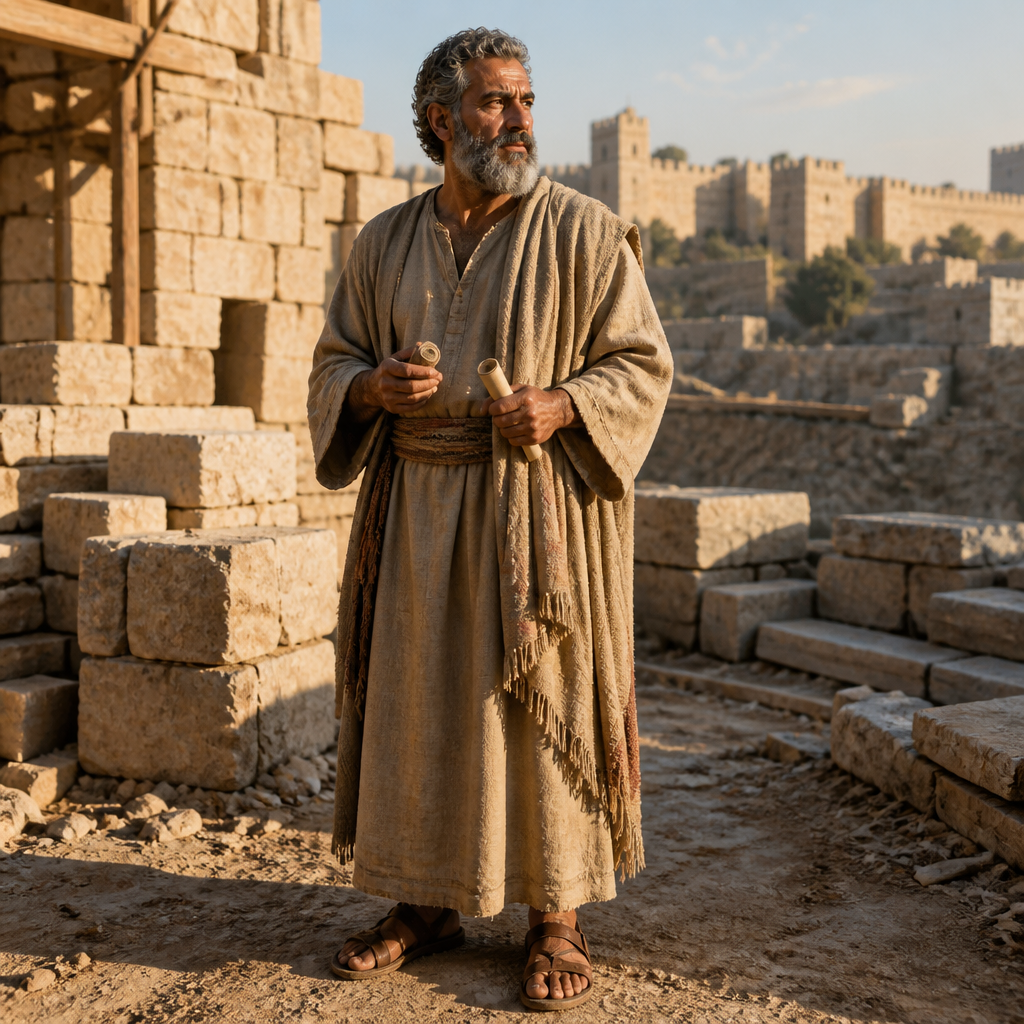
Imri was a man of the Post-Exilic period whose son, Zaccur, assisted Nehemiah in the reconstruction of Jerusalem's walls.
This is one of 2 people named Imri in the Bible. See all 2 →
Imri is a figure mentioned in the Old Testament during the era of the Exile and Return. He is identified specifically within the records of the restoration of Jerusalem following the Babylonian captivity. While Imri himself is not described as a laborer on the city fortifications, he is recorded as the father of Zaccur, who played a direct role in the physical rebuilding of the holy city under the leadership of Nehemiah.
His mention occurs within the detailed register of workers and families who contributed to the restoration of the wall of Jerusalem. This census-like documentation was crucial for establishing the identity and heritage of the returning exiles, ensuring that the work was attributed to specific families and communities committed to the spiritual and physical renewal of Israel.
Background and Family
Imri lived during the Post-Exilic Period, a time when the Jewish people were returning from Babylon to Judea to rebuild their ancestral home. The biblical text provides limited genealogical data regarding Imri, primarily serving to identify his son, Zaccur. While the specific tribe of Imri is not explicitly stated in the context of Nehemiah 3, he is associated with the community involved in the rebuilding efforts, indicating his status as a recognized member of the returning remnant.
Major Life Events
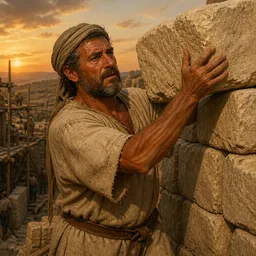
The primary significance of Imri in the biblical narrative is linked to the work of his son, Zaccur. In Nehemiah 3:2, the text describes the systematic repair of the gates and walls of Jerusalem. The verse notes that the "men of Jericho" were responsible for one section of the wall, and immediately adjacent to them, "Zaccur son of Imri" performed his portion of the labor.
Although the text does not record Imri’s personal actions, the inclusion of his name suggests he was a man of sufficient standing that his son was identified by his patrilineal descent. In the context of the return from exile, being named in these records served as a testament to a family’s commitment to the covenant and the restoration of the Jewish state.
Relationship to Other Biblical Figures
Imri’s sole recorded relationship is as the father of Zaccur. Zaccur is positioned in the narrative as working alongside the high priest Eliashib and the men of Jericho. This placement suggests that Imri’s family was part of the coordinated effort led by Nehemiah to secure the city against surrounding adversaries. By providing the labor of his son, the household of Imri contributed to the collective security and religious revitalization of Jerusalem.
Spiritual Significance
In the theology of the Post-Exilic books, the naming of individuals like Imri emphasizes the importance of lineage and the continuity of the people of God. Even though Imri’s personal biography is brief, his presence in the text underscores the theme that the rebuilding of Jerusalem was not merely the work of a few leaders, but the collaborative effort of various families. The mention of Imri serves as a permanent record of his family's participation in one of the most pivotal moments in Israel’s history—the physical re-establishment of the city where God’s name dwelt.
Imri's significance lies in his representation of the laypeople who returned from exile to support the restoration of Jerusalem. As the father of Zaccur, he is linked to the successful completion of the city wall, which symbolized the protection of the remnant and the re-establishment of Jewish sovereignty and worship. His name is preserved in the holy scriptures as part of the legal and historical record of those who remained faithful to the promise of restoration.
Frequently Asked Questions
In which book of the Bible is Imri mentioned?
Imri is mentioned in the book of Nehemiah, specifically in chapter 3, verse 2.
What role did Imri play in rebuilding Jerusalem?
The Bible does not state that Imri worked on the walls himself; rather, his son Zaccur is credited with the work, though Imri is named to identify Zaccur’s lineage.
What does the name Imri mean in Hebrew?
The name Imri (אִמְרִי) is generally understood to mean 'eloquent' or 'word of Jehovah.'
Who was Imri’s son?
Imri’s son was Zaccur, who participated in the reconstruction of Jerusalem's walls next to the men of Jericho.
To which tribe did Imri belong?
The biblical text in Nehemiah 3:2 does not specify Imri's tribal affiliation, focusing instead on his family's contribution to the wall.
Family & Relationships
 Imri, Father of ZaccurThis page
Children
 Zaccur, son of ImriSonNehemiah 3:2Stated
Connected Figures
Family
Son · Nehemiah 3:2
A Jewish returnee from the Babylonian exile who participated in the reconstruction of the walls of Jerusalem under the leadership of Nehemiah.
Exile and ReturnFirst: Nehemiah 3:21 versesBuilder / Laborer
Categories
Mentions by Book
- Nehemiah1
Scripture References
All 1 indexed verse, in canonical order, from the Berean Standard Bible.
Nehemiah · 1
- Nehemiah 3:2
The men of Jericho built next to Eliashib, and Zaccur son of Imri built next to them.
Others Named Imri
Compare all 2 bearers →Imri, Judahite of the Return1 Chronicles 9:4
Imri was a descendant of Perez from the tribe of Judah whose lineage was recorded among the first Israelites to resettle in Jerusalem following the Babylonian exile.