Harim, Father of Malchijah
Who was Harim, Father of Malchijah, in the Bible?
The father of Malchijah, an exile returnee who participated in the reconstruction of the Jerusalem wall and the Tower of the Ovens.
This is one of 4 people named Harim in the Bible. See all 4 →
Harim is identified in the biblical record as a Jewish man living during the Post-Exilic Period, specifically during the return from the Babylonian captivity. He is primarily known through the actions and lineage of his son, Malchijah, who served as a prominent laborer during the reconstruction of Jerusalem's defenses under the governorship of Nehemiah.
Though Harim's own tribe is not explicitly mentioned in the text, his inclusion in the narrative of the restoration of Jerusalem signifies his status among the community of returnees who sought to re-establish the Jewish presence and security in their ancestral homeland. The biblical record regarding this specific Harim is concise, focusing entirely on his role as a patriarch to a significant contributor to the wall project.
Background and Family
Harim lived during the era of the Exile and Return, a pivotal time in Jewish history following the decree of Cyrus the Great, which allowed the Jewish people to return to Judea from Babylon. While the Bible does not provide specific details regarding Harim’s personal occupation or his specific ancestral tribe, he is clearly identified as the father of Malchijah. The presence of his name in the record of the wall-builders suggests he was part of the community of faithful Jews who remained committed to the restoration of the Holy City around 444 BC.
Major Life Events
The only recorded event associated with this Harim is the labor performed by his son, Malchijah. According to Nehemiah 3:11, Malchijah, identified specifically as the "son of Harim," worked alongside Hasshub to repair a critical section of the Jerusalem wall.
"Malchijah son of Harim and Hasshub son of Pahath-moab repaired another section, as well as the Tower of the Ovens." (Nehemiah 3:11, BSB)
This labor occurred in the shadow of intense opposition from local adversaries like Sanballat and Tobiah. By being listed as the father of one of these builders, Harim is immortalized as a head of a household that contributed physical labor and resources to the physical and spiritual defense of Israel.
Relationship to Other Biblical Figures
Harim’s primary biblical connection is his son, Malchijah. In the context of Nehemiah 3, Malchijah is grouped with Hasshub, the son of Pahath-moab. This grouping indicates that Harim’s family worked in partnership with other prominent families of the return to complete specific assigned sections of the city's fortifications.
Spiritual Significance
In the context of the book of Nehemiah, the naming of fathers like Harim serves a dual purpose: it validates the genealogy of those who returned from exile and highlights the communal nature of God's work. Harim represents the generation of fathers who raised sons willing to engage in the difficult, dangerous work of rebuilding Zion. Though he is not credited with laying bricks himself, his legacy is defined by his son's devotion to the restoration of the covenant community's safety and the sanctity of the city containing the Second Temple.
Harim’s significance lies in his role as a progenitor of the restoration community. During the Post-Exilic Period, maintaining clear genealogical records was vital for establishing identity and property rights within the land of Israel. By being cited in the register of the wall builders, Harim is recognized as a legitimate member of the community whose offspring actively participated in the fulfillment of the prophetic return to Jerusalem.
His mention in the context of the 'Tower of the Ovens' also links his family to a specific geographical and functional landmark in Jerusalem. This tower likely served the city's bakers, suggesting that the families assigned to this area, including the household of Harim, were integral to the daily life and infrastructure of the reviving city.
Frequently Asked Questions
Who was Harim’s son?
Harim was the father of Malchijah, who helped repair the Jerusalem wall.
What part of Jerusalem did Harim's family repair?
Through his son Malchijah, Harim's family was responsible for repairing a section of the wall and the Tower of the Ovens.
When did Harim live?
Harim lived during the Post-Exilic Period (c. 5th century BC), during the time of Nehemiah's leadership in Jerusalem.
What tribe did Harim belong to?
The biblical text does not specify Harim's tribe, though he was a member of the Jewish community that returned from the Babylonian exile.
Family & Relationships
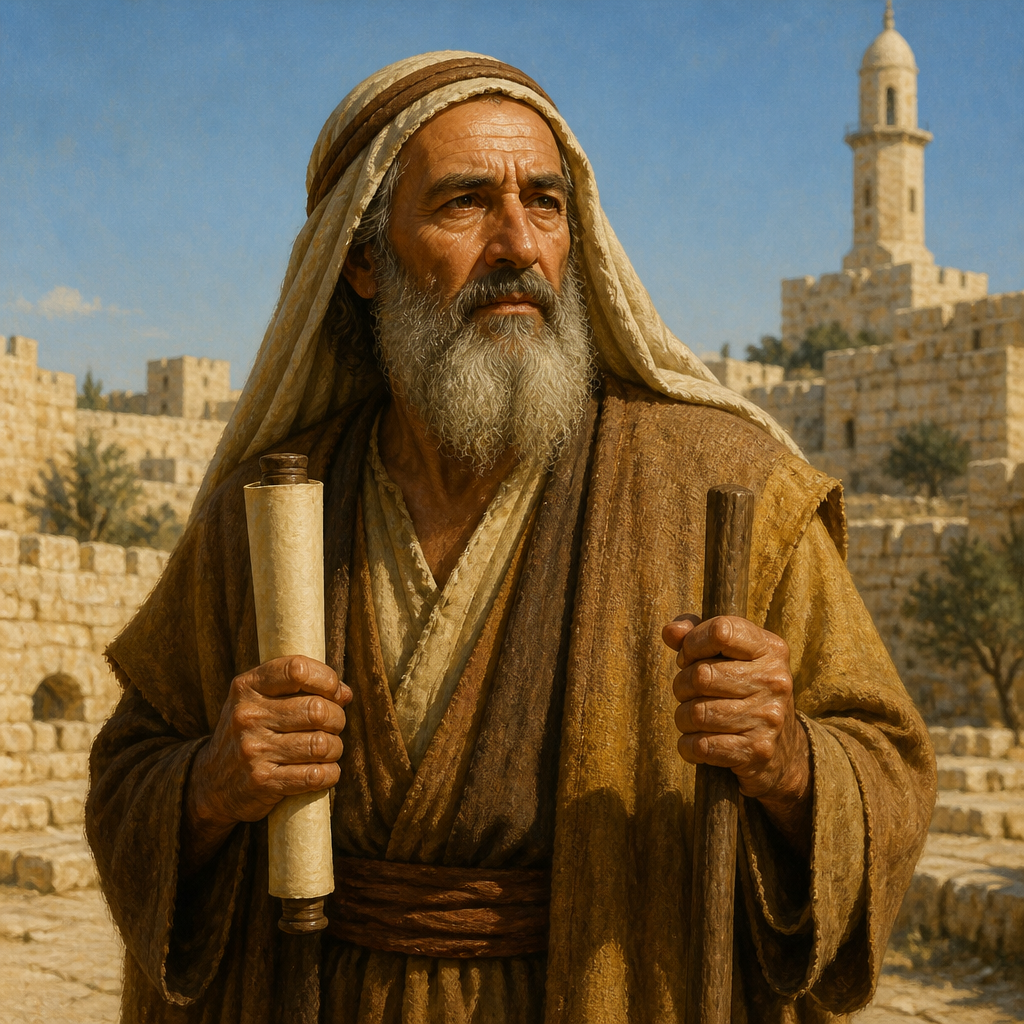 Harim, Father of MalchijahThis page
Children
 Malchijah, Son of HarimSonNehemiah 3:11Stated
Connected Figures
Family
Son · Nehemiah 3:11
A participant in the post-exilic reconstruction of Jerusalem who repaired a section of the wall and the Tower of the Ovens.
Exile and ReturnFirst: Nehemiah 3:111 versesBuilder/Restorer of Jerusalem
Categories
Mentions by Book
- Nehemiah1
Scripture References
All 1 indexed verse, in canonical order, from the Berean Standard Bible.
Nehemiah · 1
- Nehemiah 3:11
Malchijah son of Harim and Hasshub son of Pahath-moab repaired another section, as well as the Tower of the Ovens.
Others Named Harim
Compare all 4 bearers →Harim, Priest of the United Monarchy1 Chronicles 24:8
A priest during the United Monarchy who headed the third of twenty-four divisions established for the service of the house of the Lord.
Harim, Covenanter of NehemiahNehemiah 10:27
A Jewish leader during the Post-Exilic Period who signed the firm covenant to obey God's Law under the leadership of Nehemiah.
Harim, Progenitor of Returning ExilesEzra 2:32
An ancestral figure whose 320 descendants returned from the Babylonian captivity to Jerusalem and Judah following the decree of Cyrus the Great.