Maaz
Who was Maaz in the Bible?
A member of the tribe of Judah and the house of Jerahmeel during the Egypt and Wilderness era.
Maaz is a figure appearing in the genealogical records of the tribe of Judah, specifically within the lineage of Jerahmeel. His existence is documented in the book of 1 Chronicles, which serves as a vital historical repository for the identity and preservation of the families of Israel. As a descendant of Ram, Maaz belongs to a significant branch of the tribe that would eventually hold great influence in the southern kingdom.
While the biblical record provides only a snapshot of his place within the family structure, Maaz represents the ongoing continuity of the Abrahamic promise through the preservation of lineage. His inclusion in the chronicler's work highlights the importance of every individual within the tribal framework of the Egypt and Wilderness era, ensuring that his name remained part of the sacred history of Judah.
Background and Family
Maaz was a member of the tribe of Judah. The primary source for his life is found in the genealogical lists of 1 Chronicles 2. According to the text, Maaz was the son of Ram, who was the firstborn son of Jerahmeel. This places Maaz in a specific and honored branch of the Judahite family tree.
He grew up alongside his brothers, Jamin and Eker. The Chronicler notes these three specifically as the sons of Ram. The lineage of Jerahmeel, to which Maaz belonged, was a large and influential clan that settled in the southern regions of Judah. The preservation of these names suggests that Maaz and his siblings were recognized as the primary heirs or heads of their respective sub-clans within the house of Jerahmeel.
Major Life Events
The biblical record does not preserve specific biographical events, speeches, or actions performed by Maaz. Instead, his presence is recorded as a vital link in the genealogical chain. In the context of the Egypt and Wilderness era, such genealogies were not merely lists of names but were legal and social documents used to establish land rights, military eligibility, and heritage. Maaz would have lived during a time when the identity of the tribe of Judah was central to the survival of the Davidic line and the religious life centered in Jerusalem.
Relationship to Other Biblical Figures
Maaz is defined primarily by his immediate kin. He was the son of Ram, not to be confused with the Ram who was the ancestor of King David (though they shared the same name within the same tribe). His grandfather, Jerahmeel, was the firstborn of Hezron, making Maaz a great-grandson of Hezron and a great-great-grandson of Perez, the son of Judah. His relationships with his brothers Jamin and Eker define the triad of Ram's immediate legacy.
Spiritual Significance
In the perspective of the Chronicler, the mention of Maaz serves a theological purpose. It demonstrates God's faithfulness to the tribe of Judah and the meticulous care taken to record those who constituted the people of Israel. Though Maaz is what scholars call a 'minor figure,' his inclusion signifies that no individual is lost to the history of God's covenant. Names like Maaz provided a sense of continuity and belonging, rooting their current existence in a centuries-old history that spanned the entirety of the Monarchy.
The significance of Maaz lies in the preservation of the tribe of Judah's heritage. In the Hebrew Bible, genealogies serve as proof of identity and God's providential oversight of the lineage of His people. Maaz serves as a representative of the Jerahmeelite branch, ensuring their place within the broader narrative of Israel's tribal history.
Furthermore, his presence in 1 Chronicles highlights the diversity within the tribe of Judah.
Frequently Asked Questions
Who was Maaz's father?
Maaz was the son of Ram, who was the firstborn son of Jerahmeel.
Which tribe did Maaz belong to?
Maaz belonged to the tribe of Judah.
Who were Maaz's siblings?
According to 1 Chronicles 2:27, Maaz had two brothers: Jamin and Eker.
In which book of the Bible is Maaz mentioned?
Maaz is mentioned in the book of 1 Chronicles, specifically in chapter 2, verse 27.
Family & Relationships
Parents
 Ram, Son of JerahmeelFather1 Chronicles 2:27Stated
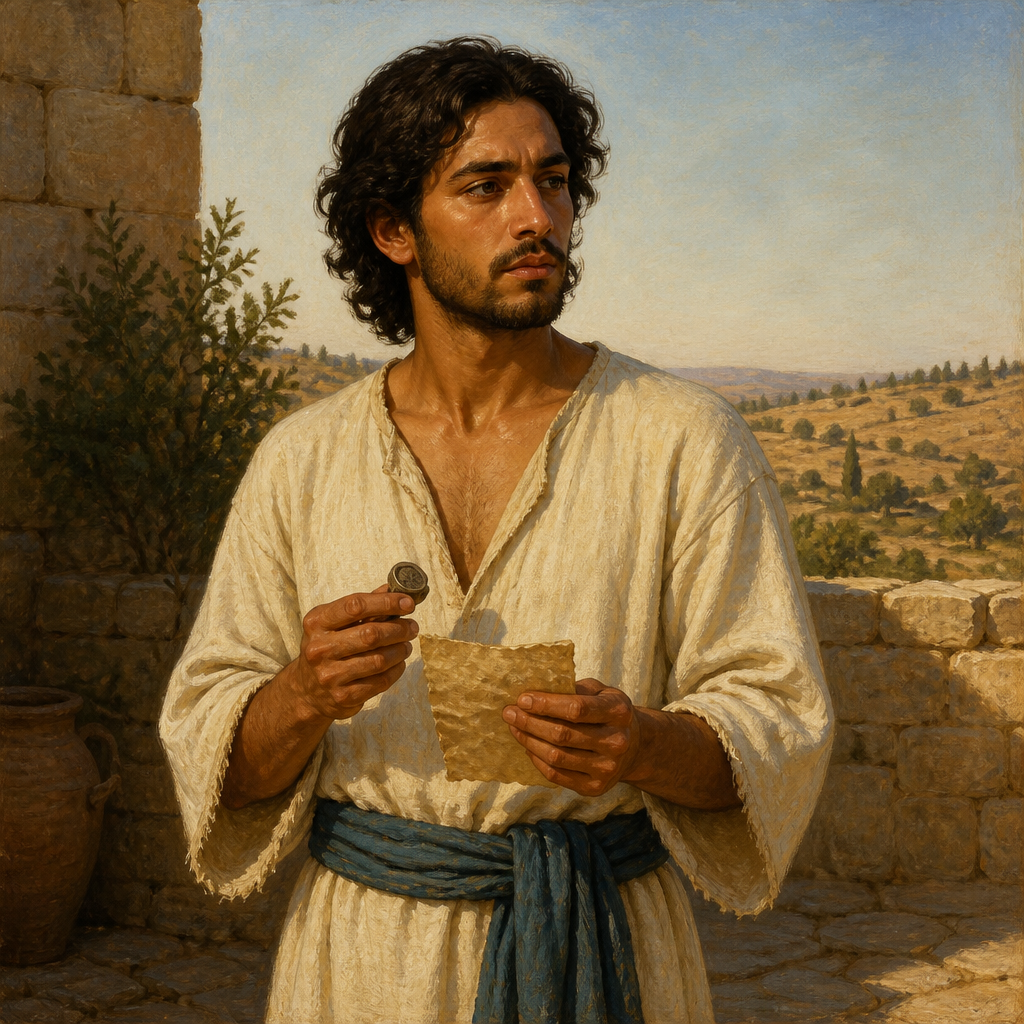 MaazThis page
 EkerBrother1 Chronicles 2:27Stated
 Jamin, Son of RamBrother1 Chronicles 2:27Stated
Connected Figures
Family
Father · 1 Chronicles 2:27
The firstborn son of Jerahmeel within the Tribe of Judah and the father of Maaz, Jamin, and Eker during the Egypt and Wilderness era.
Brother · 1 Chronicles 2:27
A descendant of Judah through the line of Jerahmeel, identified as the son of Ram in the genealogical records of the Egypt and Wilderness era.
Brother · 1 Chronicles 2:27
A descendant of Judah through the line of Jerahmeel, identified as the second son of Ram during the Egypt and Wilderness era.
Mentions by Book
- 1 Chronicles1
Scripture References
All 1 indexed verse, in canonical order, from the Berean Standard Bible.
1 Chronicles · 1
- 1 Chronicles 2:27
The sons of Ram the firstborn of Jerahmeel: Maaz, Jamin, and Eker.