Ahishahar
Who was Ahishahar in the Bible?
Ahishahar was a descendant of Benjamin through Jediael and Bilhan, listed among the heads of their ancestral houses during the Egypt and Wilderness era.
Ahishahar is a biblical figure mentioned within the genealogical records of the Tribe of Benjamin. His name, derived from Hebrew roots meaning "brother of the dawn" or "morning star," appears in the priestly records preserved in the book of 1 Chronicles. He is identified as one of the seven sons of Bilhan, who was himself the son of Jediael.
Within the context of the Egypt and Wilderness era, Ahishahar represents the enduring lineage of Benjamin. As a member of Jediael’s line, he belonged to a group described as mighty men of valor who served as heads of their fathers' houses.
Background and Family
Ahishahar is situated within the genealogical framework of the Tribe of Benjamin, specifically the lineage descending from Jediael. According to 1 Chronicles 7:10, Ahishahar was the son of Bilhan. He is listed alongside six brothers: Jeush, Benjamin, Ehud, Chenaanah, Zethan, and Tarshish. This large family unit formed a significant sub-section of the Benjamite tribe during the Egypt and Wilderness era.
The Chronicler emphasizes that Jediael’s descendants were "mighty men of valor," a technical term (Gibborim) often used to denote elite warriors or men of substantial social standing. The text indicates that this specific branch of the family produced seventeen thousand and two hundred soldiers fit for war, suggesting that Ahishahar and his siblings were instrumental in the military administration of their era.
Major Life Events
The biblical text provides no specific biographical events for Ahishahar. Unlike figures such as Saul or Jonathan from the same tribe, Ahishahar’s life is preserved solely through his name and his place within the tribal registers. His primary function in the text is to serve as a link in the chain of Benjamite continuity. In the ancient Near Eastern context, being recorded in such a genealogy was a vital mark of legitimacy, ensuring one's rights to ancestral land and social status within the covenant community.
Relationship to Other Biblical Figures
Ahishahar’s primary relationships are defined by his siblings and his father, Bilhan. He is a grandson of Jediael. Interestingly, he shares a brother named Benjamin, who bore the name of the tribe’s original patriarch. The proximity of his name to other notable Benjamite names, such as Ehud (a name famously shared by a judge of Israel), reflects the naming conventions and cultural heritage maintained by his family line. As a descendant of Jediael, he was part of the broader family of Benjamin, a tribe known for its fierce independence and military skill.
Spiritual Significance
The spiritual significance of Ahishahar lies in the preservation of his identity within the sacred record. The Chronicler compiled these lists during the Post-Exilic period to remind the returning exiles of their roots. By including Ahishahar, the text affirms that even those who did not perform widely publicized miracles or lead nations were essential parts of God’s ordered plan for Israel. His name, signifying the "dawn," serves as a quiet reminder of the hope and new beginnings associated with the continued survival of the Benjamite lineage despite the many conflicts of the Egypt and Wilderness era.
Ahishahar’s significance is found in the biblical emphasis on lineage and tribal integrity. As one of the 'mighty men of valor,' his record contributes to the demographic and military profile of the Tribe of Benjamin. His inclusion in 1 Chronicles serves to document the fulfillment of the patriarchal blessings upon Benjamin, demonstrating the numerical and martial growth of the tribe through successive generations.
Theologically, Ahishahar represents the 'hidden' members of the covenant community. While his personal story is not detailed, his name remains in the canon, illustrating the biblical principle that every individual within the tribal structure held a recognized place in the history of redemption and the national life of Israel.
Frequently Asked Questions
Who was Ahishahar’s father?
Ahishahar was the son of Bilhan, who was the son of Jediael.
What tribe did Ahishahar belong to?
He was a member of the Tribe of Benjamin.
What does the name Ahishahar mean?
In Hebrew, the name Ahishahar means 'brother of the dawn' or 'morning star'.
How many brothers did Ahishahar have?
According to 1 Chronicles 7:10, he had six brothers: Jeush, Benjamin, Ehud, Chenaanah, Zethan, and Tarshish.
What role did Ahishahar’s family play in Israel?
They were recorded as heads of their fathers' houses and 'mighty men of valor' who were prepared for military service.
Family & Relationships
Parents
 Bilhan, Son of JediaelFather1 Chronicles 7:10Stated
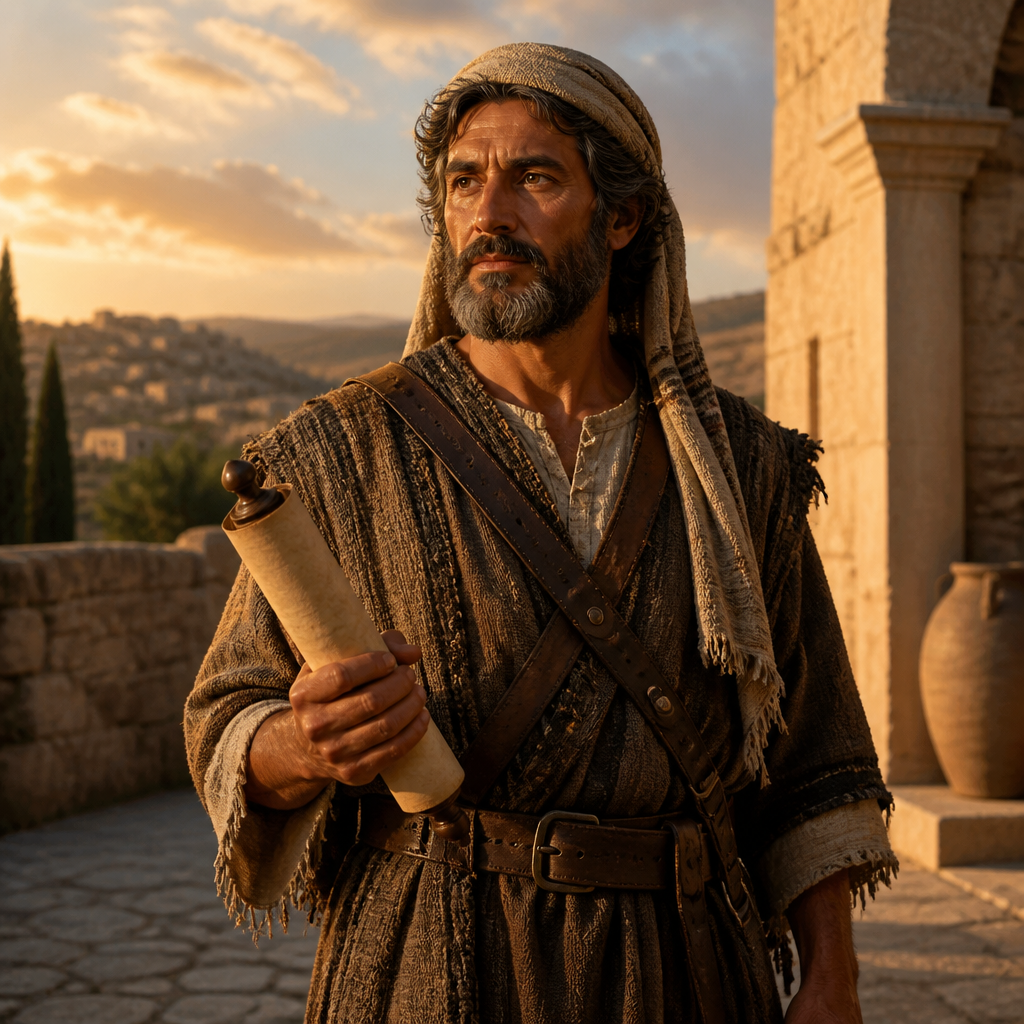 AhishaharThis page
 Benjamin, Son of BilhanBrother1 Chronicles 7:10Stated
 Chenaanah, Great-Grandson of BenjaminBrother1 Chronicles 7:10Stated
 Ehud, Son of BilhanBrother1 Chronicles 7:10Stated
 Jeush, Son of BilhanBrother1 Chronicles 7:10Stated
 Tarshish, Great-grandson of BenjaminBrother1 Chronicles 7:10Stated
 ZethanBrother1 Chronicles 7:10Stated
Connected Figures
Family
Father · 1 Chronicles 7:10
A prominent Benjamite leader known as the father of seven sons who headed ancestral houses.
Egypt and WildernessFirst: 1 Chronicles 7:101 versesBenjamin
Brother · 1 Chronicles 7:10
A prominent descendant of the tribe of Benjamin and son of Bilhan, noted in the genealogies of the Chronicler during the Egypt and Wilderness era.
Egypt and WildernessFirst: 1 Chronicles 7:101 versesWarriorBenjamin
Brother · 1 Chronicles 7:10
Chenaanah was a prominent member of the tribe of Benjamin during the Egypt and Wilderness era, listed among the sons of Bilhan in the Davidic genealogical records.
Egypt and WildernessFirst: 1 Chronicles 7:101 verseswarriorBenjamin
Brother · 1 Chronicles 7:10
A Benjamite descendant and son of Bilhan who is listed within the tribal genealogies of 1 Chronicles during the Egypt and Wilderness era.
Egypt and WildernessFirst: 1 Chronicles 7:101 versesBenjamin
Brother · 1 Chronicles 7:10
Jeush was a prominent member of the tribe of Benjamin and one of the seven sons of Bilhan recorded in the post-exilic genealogies of Israel.
Egypt and WildernessFirst: 1 Chronicles 7:101 verseswarriorBenjamin
Brother · 1 Chronicles 7:10
Tarshish was a prominent member of the tribe of Benjamin during the Egypt and Wilderness era, listed as one of the seven sons of Bilhan in the genealogical records of 1 Chronicles.
Egypt and WildernessFirst: 1 Chronicles 7:101 versesBenjamin
Brother · 1 Chronicles 7:10
Zethan was a prominent member of the tribe of Benjamin and a son of Bilhan during the Egypt and Wilderness era.
Egypt and WildernessFirst: 1 Chronicles 7:101 verseswarriorBenjamin
Mentions by Book
- 1 Chronicles1
Scripture References
All 1 indexed verse, in canonical order, from the Berean Standard Bible.
1 Chronicles · 1
- 1 Chronicles 7:10
The son of Jediael: Bilhan. The sons of Bilhan: Jeush, Benjamin, Ehud, Chenaanah, Zethan, Tarshish, and Ahishahar.