
Foreign Rulers
Non-Israelite monarchs and dignitaries who interacted with the early Church and the people of God during the New Testament era.
The category of Foreign Rulers encompasses the non-Israelite monarchs and dignitaries who interacted with the early Church and the people of God during the New Testament era. These individuals held supreme executive or administrative authority over sovereign territories outside the immediate jurisdiction of the Roman provincial governors in Judea. The office of a foreign ruler required the management of national wealth, the command of military forces, and the oversight of royal courts. While these figures operated outside the covenant community of Israel, their administrative decisions and the actions of their subordinates frequently intersected with the spread of the gospel.
The New Testament highlights these rulers primarily through their representatives or their direct influence on the travels of the apostles. Candace is identified as the queen of the Ethiopians, a title signifying her sovereign status over a kingdom located south of Egypt (Acts 8:27). The text notes that she possessed a vast treasury, which was managed by a high-ranking eunuch who traveled to Jerusalem to worship (Acts 8:27–28). Aretas is named as the king who governed Damascus through an ethnarch, an official who attempted to seize Paul by guarding the city gates (2 Corinthians 11:32). The text also mentions the Magi, described as wise men from the East, who functioned as dignitaries seeking a new king and presenting royal gifts of gold, frankincense, and myrrh (Matthew 2:1–11). Cyrus is referenced as the king of Persia whose decree allowed for the rebuilding of the temple in Jerusalem, a historical precedent cited in the context of Jewish lineage (Ezra 1:1–2). Pharaoh is mentioned in the context of the history of Israel specifically as the ruler who appointed Joseph over Egypt and whose successors eventually oppressed the people (Acts 7:10–18). Caesar is the title used for the Roman Emperor, the ultimate foreign authority to whom Paul appealed for a legal hearing (Acts 25:11–12).
The presence of these rulers in the narrative demonstrates the geographic and political reach of the early Christian movement. The conversion of a high official serving Candace illustrates the movement of the faith into the royal courts of distant nations (Acts 8:36–39). The interactions between the apostles and the representatives of these monarchs show that the message of the Church was not confined to a single province but was recognized by and sometimes perceived as a threat to various international powers. By documenting these encounters, the text situates the development of the Church within the broader political landscape of the first-century world.
Everyone in this list
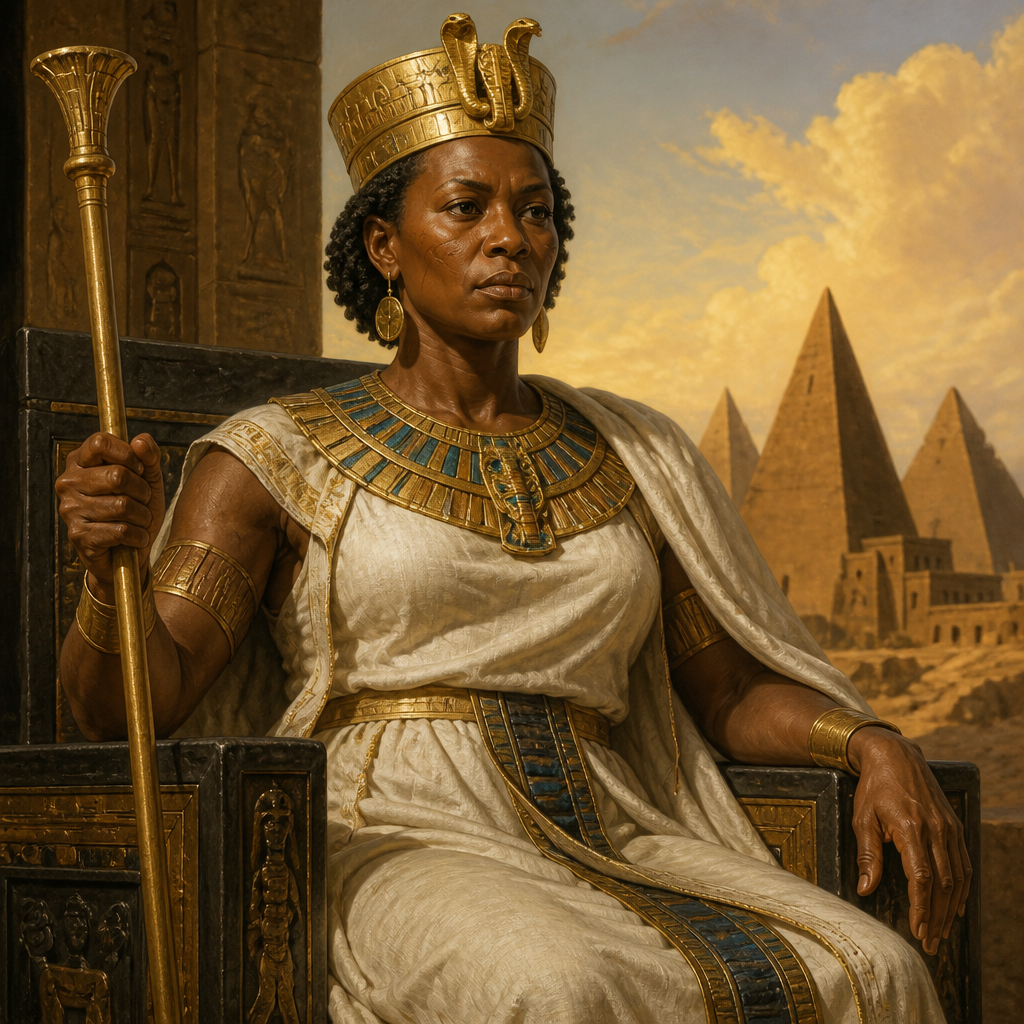
Candace
Queen of the Ethiopians whose royal treasurer was baptized by Philip the Evangelist