Rekem, Son of Sheresh
Who was Rekem, Son of Sheresh, in the Bible?
Rakem was a member of the Tribe of Manasseh, identified as the son of Sheresh and the brother of Ulam during the Egypt and Wilderness era.
Rakem (also transliterated as Rekem) is a figure mentioned in the genealogical records of the Tribe of Manasseh within the Old Testament.
His place in the biblical narrative is specifically defined within the lineage of Machir, the firstborn of Manasseh. Rakem is recorded as the son of Sheresh and the brother of Ulam. While his personal exploits are not detailed in the text, his inclusion in the chronicler's record serves to establish the continuity of the Manassite families within the land of Israel.
Background and Family
Rakem appears in the biblical record within the context of the Tribe of Manasseh, one of the two tribes descending from Joseph. According to 1 Chronicles 7:16, Rakem was the son of Sheresh. His mother is not explicitly named, though the verse notes his father Sheresh was the son of Machir and Maacah. Rakem is listed alongside his brother, Ulam.
The genealogy provided in this section of 1 Chronicles is essential for understanding the demographic makeup of the Northern Kingdom during the Egypt and Wilderness era. The family of Machir, to which Rakem belonged, was traditionally associated with the rugged territories of Gilead, though the specific residence of Rakem's immediate family during this period is not specified.
Major Life Events
The biblical text provides no narrative accounts of major life events, military achievements, or political roles for Rakem. In the concise style of 1 Chronicles, his existence is the primary fact recorded. The Chronicler’s focus was on the survival and structure of the families of Israel. As a descendant of Sheresh, Rakem represents a link in the chain of Joseph’s descendants who maintained their tribal identity through the centuries of the monarchy.
Relationship to Other Biblical Figures
Rakem’s primary relationships are defined by his immediate kin. He is the grandson of Machir, who was a prominent figure in the early history of the tribe, and the great-grandson of Manasseh. His brother, Ulam, is mentioned alongside him; notably, Ulam’s own descendants are later highlighted for their prowess as mighty warriors and archers (1 Chronicles 7:17). This suggests that Rakem belonged to a family line recognized for its strength and contribution to the tribal military census.
Spiritual Significance
While Rakem is not depicted performing spiritual or prophetic acts, his presence in the Holy Scriptures carries a theological weight regarding God's covenant with Israel. The inclusion of individuals like Rakem in the post-exilic records (which compiled these older monarchical genealogies) reminded the people of Israel that every member of the tribe was known and recorded by God.
In a scholarly sense, Rakem’s name contributes to the historical mapping of the Tribe of Manasseh. His identity as a "son of Sheresh" ensures that the specific branch of Machir’s family tree is preserved for posterity, illustrating the biblical emphasis on heritage and the fulfillment of the promise that Joseph’s descendants would become a multitude.
Rakem serves as a vital link in the genealogical record of the Tribe of Manasseh, specifically within the house of Machir. His inclusion in the 1 Chronicles record underscores the biblical theme of the importance of lineage and the preservation of tribal identity during the Egypt and Wilderness era, ensuring that even individuals without a large narrative footprint are recognized as part of the covenant community.
The specific naming of Rakem alongside his brother Ulam helps scholars and theologians understand the internal structure of the Manassite clans. This record affirms the historical reality of these families, providing a concrete framework for the tribal distributions that defined the land of Israel during the monarchical era.
Frequently Asked Questions
Which tribe did Rakem belong to?
Rakem belonged to the Tribe of Manasseh, specifically descending through the line of Machir.
Who was Rakem's father?
Rakem's father was Sheresh, a descendant of Machir and Maacah.
Does Rakem have any recorded siblings?
Yes, the Bible identifies Ulam as the brother of Rakem.
In which book of the Bible is Rakem mentioned?
Rakem is mentioned in the book of 1 Chronicles, specifically in chapter 7, verse 16.
What does the name Rakem mean?
The Hebrew name Rekem (רֶקֶם) generally translates to 'variegated,' 'embroidered,' or 'friendship.'
Family & Relationships
Parents
 ShereshFather1 Chronicles 7:16
Inferred
No verse names Rakem and Sheresh together; the father link is carried from the surrounding genealogy and is not stated in Scripture.Evidence: 1 Chronicles 7:16
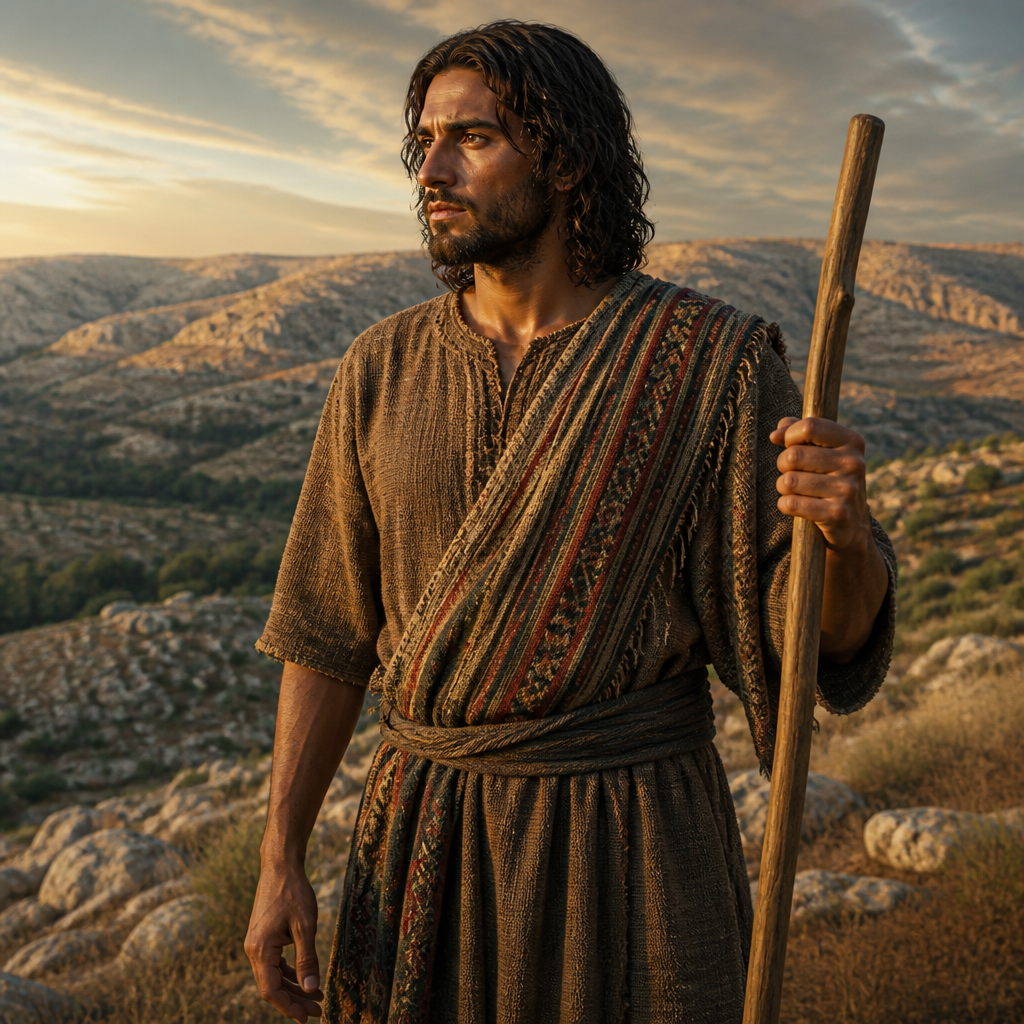 Rekem, Son of ShereshThis page
 Ulam, descendant of ManassehBrother1 Chronicles 7:16Stated
Connected Figures
Family
Father · 1 Chronicles 7:16
Sheresh was a descendant of Manasseh through Machir, recorded in the genealogies of 1 Chronicles as a father of Ulam and Rakem.
Egypt and WildernessFirst: 1 Chronicles 7:165 versesprogenitorManasseh
Brother · 1 Chronicles 7:16
Ulam was a descendant of the patriarch Manasseh through the lineage of Gilead, recorded in the genealogies of 1 Chronicles.
Egypt and WildernessFirst: 1 Chronicles 7:162 versesManasseh
Mentions by Book
- 1 Chronicles1
Scripture References
All 1 indexed verse, in canonical order, from the Berean Standard Bible.
1 Chronicles · 1
- 1 Chronicles 7:16
Machir’s wife Maacah gave birth to a son, and she named him Peresh. His brother was named Sheresh, and his sons were Ulam and Rekem.