Raham
Who was Raham in the Bible?
A descendant of Caleb within the tribe of Judah and the father of Jorkeam during the Egypt and Wilderness era.
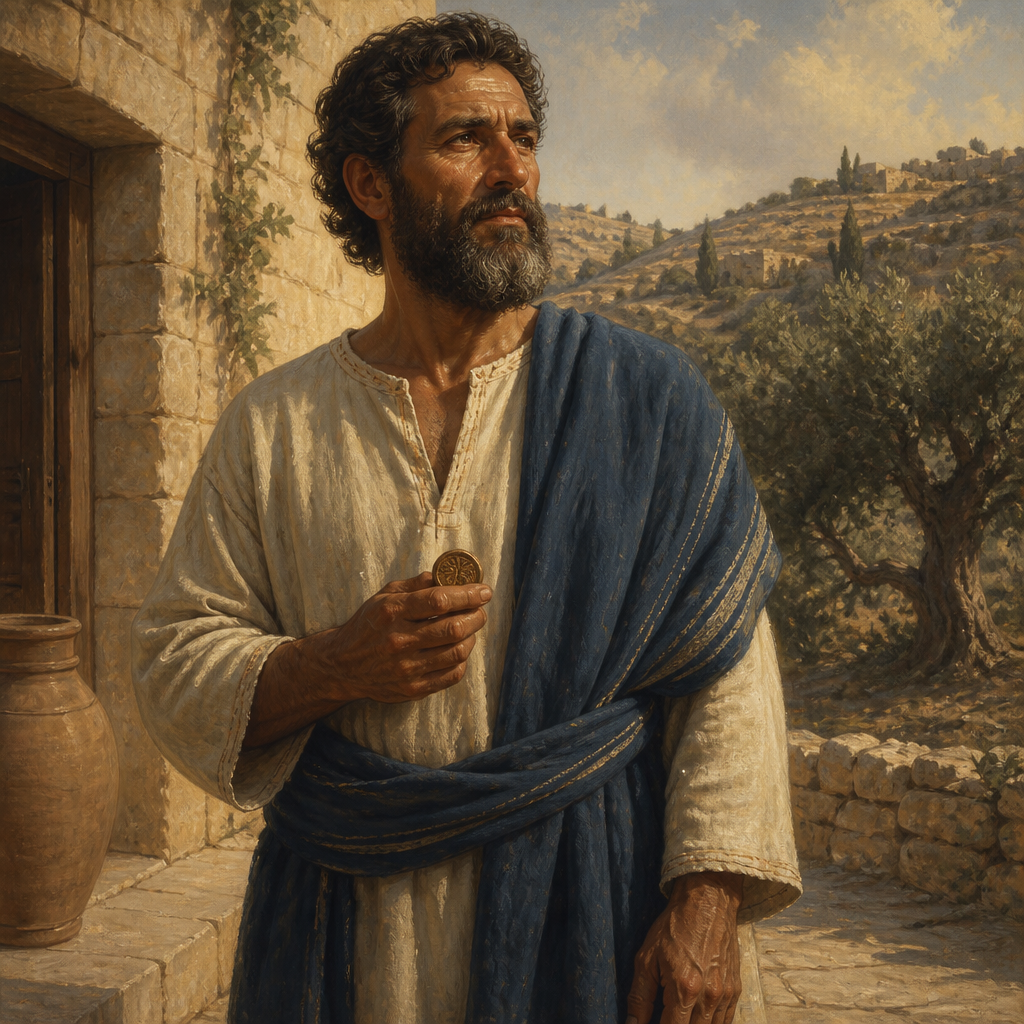
Raham is a minor figure within the genealogical records of the Old Testament, specifically mentioned in the first book of Chronicles. As a member of the tribe of Judah, his lineage is traced back through the prominent house of Caleb, a line known for its significant landholdings in the southern region of Israel, particularly around Hebron.
By documenting figures like Raham, the chronicler connects the families of the Egypt and Wilderness era to their ancestral roots, ensuring the continuity of the Davidic and Calebite heritage during a time of national reconstruction.
Background and Family
Raham is situated within the complex genealogical framework of 1 Chronicles 2. According to the text, he was the son of Shema and a descendant of Hebron. His family belongs to the Calebite branch of the tribe of Judah. The Calebites were a powerful clan that played a foundational role in the settlement of the Promised Land, specifically in the rugged hill country of Judah. Raham’s immediate family includes his father, Shema, and his son, Jorkeam. The verse also mentions his contemporary or near-relation, Rekem, the father of Shammai, further placing Raham within a specific social and familial cluster in the Judean highlands.
Major Life Events
The biblical text provides no narrative details regarding the life, deeds, or specific experiences of Raham. Unlike the eponymous heroes of the Torah, Raham is defined entirely by his place in a list. His name appears in a section of Chronicles intended to document the inhabitants and leaders of Judah, likely representing a family head or a founder of a specific locality.
Relationship to Other Biblical Figures
Raham’s primary significance is relational. He is the son of Shema and the father of Jorkeam. The mention of Jorkeam is particularly noteworthy; many scholars suggest that Jorkeam may refer to both a person and a geographical location, a common occurrence in Judean genealogies where a patriarch’s name becomes synonymous with the town he established or governed. Through his grandfather Hebron, Raham is linked to one of the most sacred and ancient cities in Israel, reinforcing his status as a man of pedigree within the Judean aristocracy.
Spiritual Significance
While Raham does not perform miracles or deliver prophecies, his presence in the Word of God highlights the biblical emphasis on the individual within the community. In the theological landscape of 1 Chronicles, every name represents a household that remained faithful to the covenant or contributed to the survival of the nation. Raham serves as a link in the chain of the tribe of Judah, the tribe from which the Messiah would eventually descend. His inclusion ensures that the history of God's people is not just a history of kings, but a history of families preserved by divine providence.
Raham’s significance lies in the preservation of the Judean lineage. In the post-exilic context of 1 Chronicles, identifying specific family lines like that of Raham helped returning exiles reclaim their ancestral lands and social status. He represents the continuity of the Calebite heritage, a group characterized by their historical faithfulness and strength in the southern Levant.
Furthermore, Raham demonstrates the biblical pattern of 'sonship' and 'fatherhood' as the primary means of maintaining the covenant community. Though his personal story is lost to history, his name remains recorded as a testament to the fact that God keeps track of the small branches of the family tree of Israel, not just the prominent trunks.
Frequently Asked Questions
Who was Raham's father?
Raham was the son of Shema, who was a descendant of Hebron within the tribe of Judah.
Did Raham have any children?
Yes, according to 1 Chronicles 2:44, Raham was the father of Jorkeam.
Which tribe did Raham belong to?
Raham belonged to the tribe of Judah, specifically the clan of Caleb.
What does the name Raham mean?
The Hebrew name Raham (רַ֫חַם) is often associated with the root for 'compassion' or 'womb,' potentially meaning 'pity' or 'merciful.'
In which book of the Bible is Raham mentioned?
Raham is mentioned exclusively in the book of 1 Chronicles, specifically in chapter 2, verse 44.
Family & Relationships
Parents
 Shema, Son of HebronFather1 Chronicles 2:44Stated
 RahamThis page
Children
 JorkeamSon1 Chronicles 2:44Stated
Connected Figures
Family
Father · 1 Chronicles 2:44
A descendant of Caleb within the tribe of Judah who fathered Raham during the Egypt and Wilderness era.
Son · 1 Chronicles 2:44
A descendant of Caleb within the tribe of Judah, Jorkeam is identified in the post-exilic genealogies as the son of Raham.
Egypt and WildernessFirst: 1 Chronicles 2:443 versesPatriarchJudah
Mentions by Book
- 1 Chronicles1
Scripture References
All 1 indexed verse, in canonical order, from the Berean Standard Bible.
1 Chronicles · 1
- 1 Chronicles 2:44
Shema was the father of Raham the father of Jorkeam, and Rekem was the father of Shammai.