Philemon
A wealthy Christian resident of Colossae and slave owner whose gracious response to a runaway slave became a centerpiece of New Testament ethics.
Philemon was a prominent member of the early Christian church in Colossae, a city in Phrygia within the Roman province of Asia. Likely converted through the ministry of the Apostle Paul, Philemon was a man of significant means and social standing, evidenced by the fact that he hosted a house church and possessed bondservants. He is the primary addressee of the New Testament Epistle to Philemon, a personal letter written by Paul during his imprisonment.
Historically, Philemon is recognized as a leader of the Colossian community whose character was marked by love and faith toward the Lord Jesus and all the saints. His home served as a spiritual hub, providing refreshment and hospitality to the growing body of believers. He is uniquely positioned in scripture as the recipient of one of Paul’s most tactful and persuasive appeals regarding social hierarchy and Christian brotherhood.
Background and Family
Philemon was a citizen of Colossae, an ancient city located in the Lycus River valley. Although Paul had not visited Colossae personally during his first two missionary journeys, it is widely believed that Philemon was converted during Paul’s three-year stay in Ephesus (Acts 19:10, 26). The phrase 'you owe me your very self' (Philemon 1:19) suggests that Paul was the direct instrument of Philemon's spiritual rebirth.
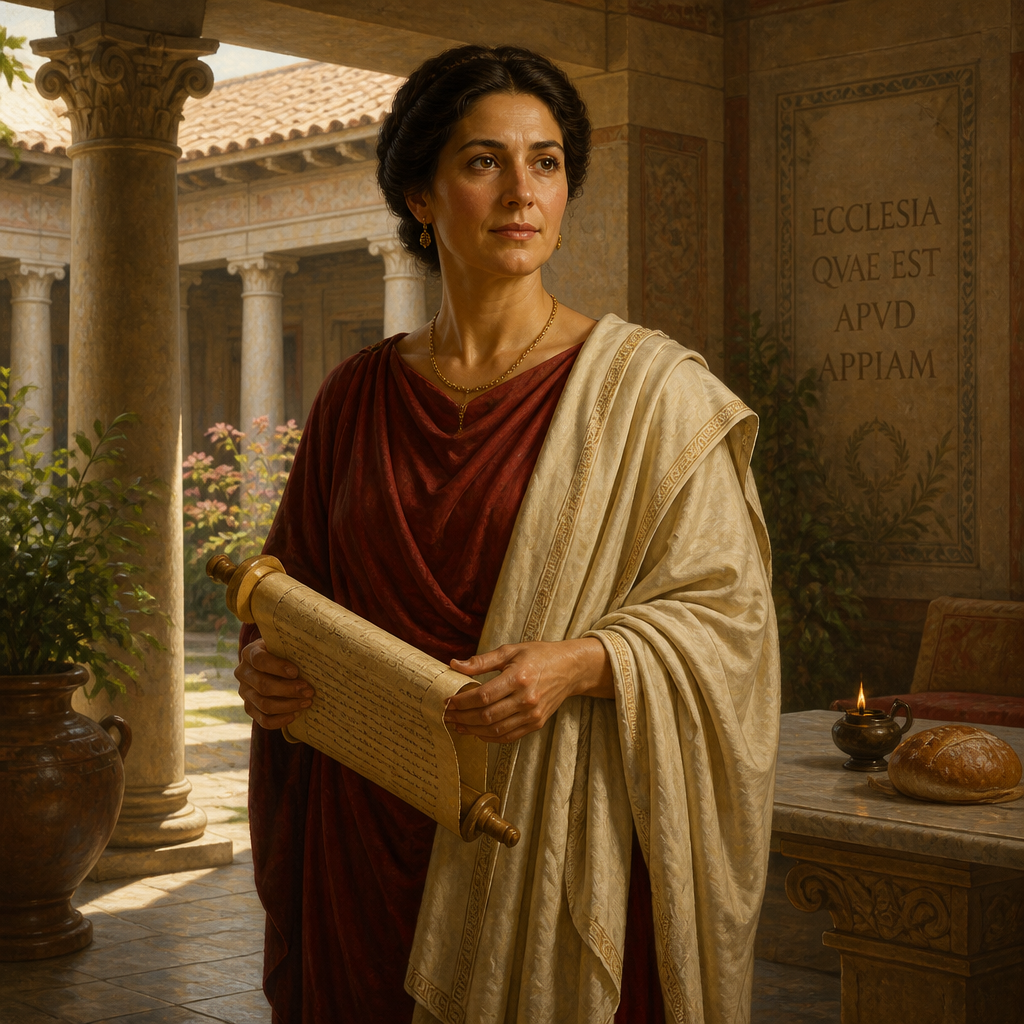
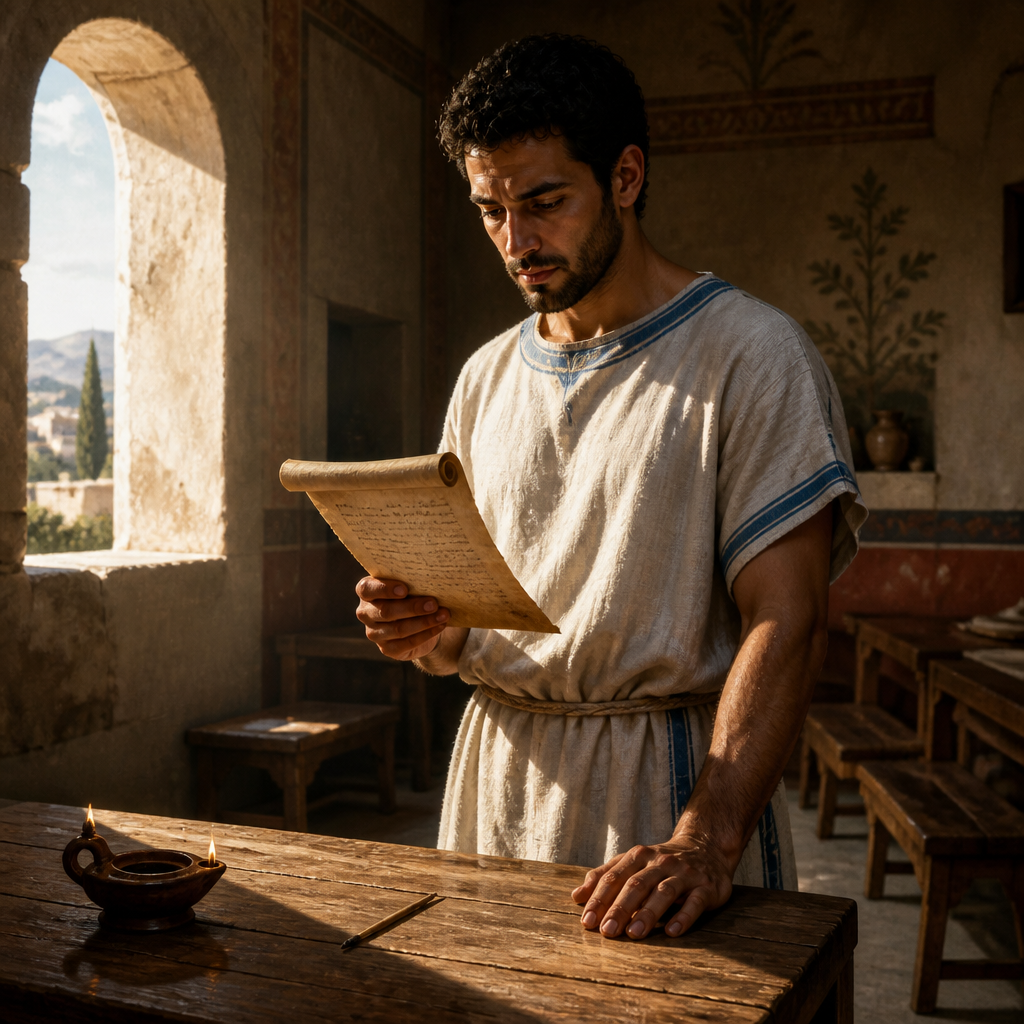
Philemon’s household appears to have been central to the Colossian church. The letter mentions Apphia, often identified by commentators as his wife, and Archippus, who is described as a 'fellow soldier' and is frequently considered to be Philemon's son or a local minister. The mention of the 'church in your house' indicates that Philemon was a patron of the Christian movement, using his private property for the assembly of the faithful. His social status as a slave-owner place him within the upper echelons of provincial society, yet his reputation among Christians was one of profound generosity and 'refreshing the hearts of the saints.'
Major Life Events
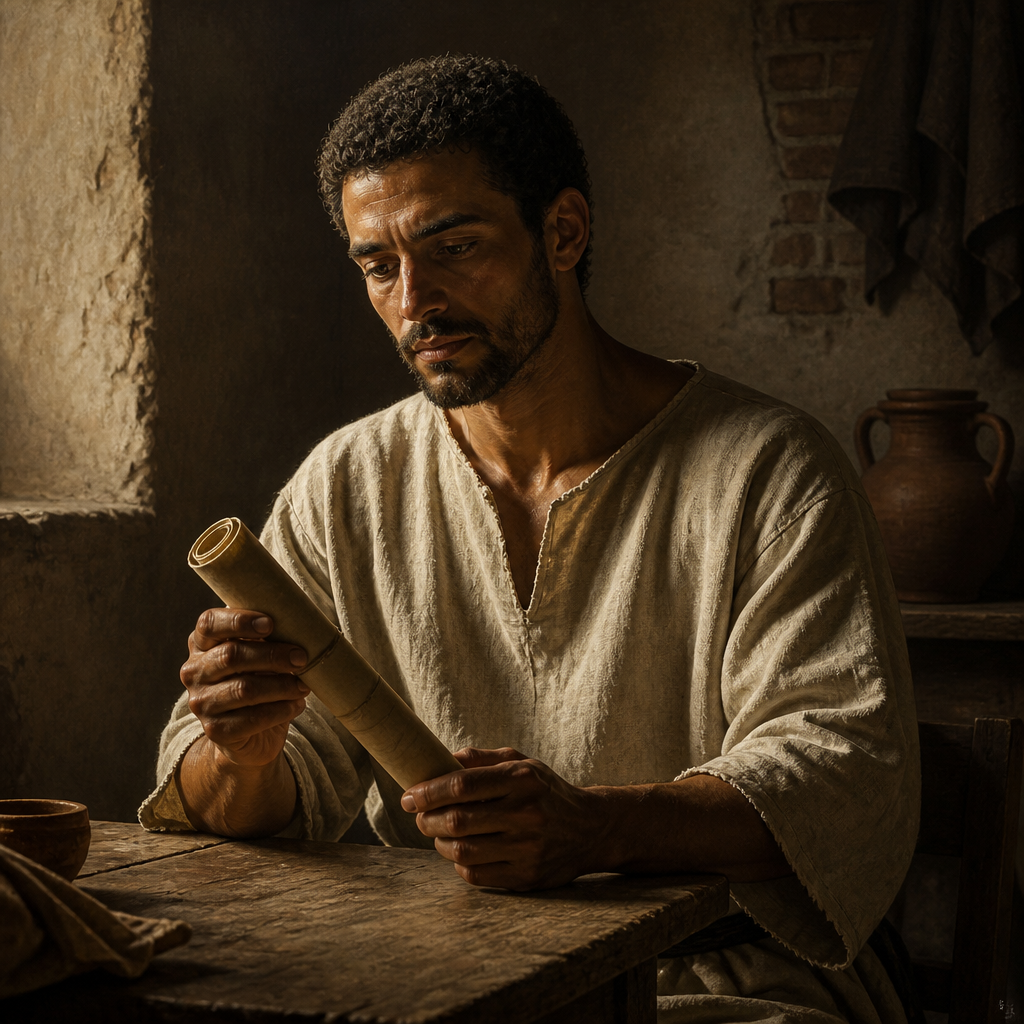
The defining event in the biblical record of Philemon’s life involves his slave, Onesimus. Under Roman law, slavery was a foundational economic institution, and runaway slaves faced severe penalties, including branding or execution. Onesimus had fled from Philemon, possibly after stealing from him (Philemon 1:18), and eventually encountered the Apostle Paul in Rome (or possibly Ephesus), where he was converted to Christianity.
Paul, recognizing the legal and social complexities, sent Onesimus back to Colossae accompanied by Tychicus. However, he did so with a letter addressed to Philemon. This letter is a masterpiece of ancient rhetoric, appealing to Philemon not on the basis of apostolic authority, but on the basis of love and Christian partnership. Paul asked Philemon to receive Onesimus no longer as a slave, but as a 'dear brother.' This request challenged the very fabric of Roman social structures, demanding that the biological and legal reality of slavery be superseded by the spiritual reality of equality in Christ.
Relationship to Other Biblical Figures
Philemon’s primary relationship was with the Apostle Paul, whom he regarded as a mentor and 'partner' (koinōnos). Paul’s deep affection for Philemon is evident in his prayerful gratitude for Philemon's faith. Similarly, Philemon was connected to Timothy, who joins Paul in the letter's greeting.
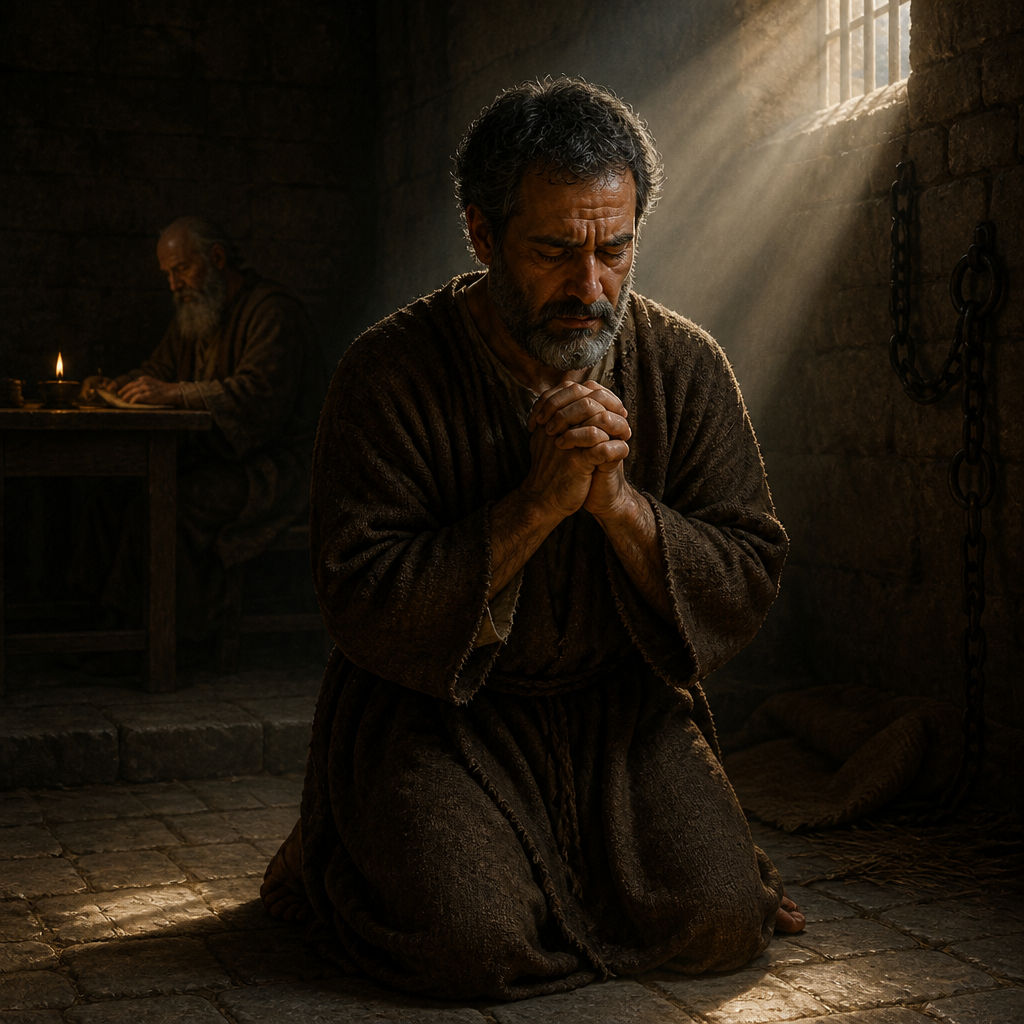
His relationship with Onesimus serves as the crux of his historical narrative. The transition from a master-slave dynamic to a brother-brother dynamic represents a radical shift in ancient relational paradigms. Furthermore, Philemon was a contemporary and associate of Epaphras, the founder of the Colossian church, who was with Paul during the writing of the letter. The presence of figures like Mark, Aristarchus, Demas, and Luke in the greetings suggests that Philemon was well-integrated into the wider apostolic network.
Spiritual Significance
The spiritual significance of Philemon lies in the practical application of the Gospel to social injustice and personal grievances. The Epistle to Philemon does not explicitly call for the abolition of the institution of slavery, but it introduces a theological leaven—the brotherhood of all believers—that would eventually make the institution untenable.
Philemon is held up as a model of the 'believing master.' Through him, the early church grappled with how to reconcile the 'new man' in Christ with the old structures of the world. His willingness to forgive a debt and welcome a fugitive as a family member remains a powerful testament to the transformative power of grace. For Philemon, faith was not merely a private conviction but a public lifestyle of hospitality, reconciliation, and the voluntary surrender of legal rights for the sake of the Gospel.
Spiritual Significance
Philemon serves as the recipient of the only purely personal letter from the Apostle Paul preserved in the New Testament canon. His importance lies in the domestic and social ethics his situation addressed; his household provided the primary case study for how the early church navigated the tension between Roman law and Christian brotherhood. The request made of him to receive a former runaway slave as a brother is a landmark text for understanding the New Testament's approach to human dignity and reconciliation.
Theologically, Philemon represents the 'partnership in the faith' (koinōnia). His life demonstrates that the Gospel moves beyond ethnic boundaries (Jew vs. Gentile) to cross social boundaries (Slave vs. Free). By hosting the church in his home and being urged to display grace, Philemon becomes a historical archetype for how Christian leaders are expected to act with compassion and voluntary submission to the needs of others, rather than relying on legalistic or social hierarchies.
Frequently Asked Questions
Was Philemon a bishop or leader in the church?
While the Bible identifies him as a 'dear friend and fellow laborer' host to a house church, later church tradition (Apostolic Constitutions) suggests he became the Bishop of Colossae and was eventually martyred under Nero.
Did Philemon actually free Onesimus?
The Bible does not record Philemon's reaction, but the fact that the letter was preserved by the early church strongly implies he complied with Paul's request and received Onesimus with grace.
Where did Philemon live?
He lived in Colossae, a city in the Lycus Valley of Phrygia, in modern-day Turkey.
How did Philemon become a Christian?
It is widely inferred that he was converted through the ministry of the Apostle Paul, likely during Paul's influential three-year ministry in the nearby city of Ephesus.
Who were Apphia and Archippus mentioned in the letter?
Apphia is generally believed to be Philemon's wife, and Archippus is thought to be their son and a leader/minister within the Colossian or Laodicean church.
Connected Figures
Onesimus
Former slave and brother in Christ
Paul the Apostle
Spiritual father and friend
Apphia
Wife (widely traditional identification)
Archippus
Son or associate minister
Epaphras
Fellow worker and founder of the Colossian church