Apphia
A prominent female leader in the early Colossian church and a core recipient of Paul’s letter to Philemon, likely the wife of Philemon.
Apphia was a prominent first-century Christian woman residing in Colossae, a city in Phrygia within the Roman province of Asia (modern-day Turkey). She is explicitly named by the Apostle Paul in the opening greeting of his epistle to Philemon, marking her as a figure of significant authority and social standing within the local Christian community. As one of the few women addressed directly in the Pauline salutations, her presence indicates the vital role women played in the administration and hospitality of the early house churches.
While her specific biographical details are sparse in the New Testament, historical and ecclesiastical traditions identify her as a member of Philemon’s household. Her inclusion in a letter concerning a sensitive domestic and legal matter—the return of the runaway slave Onesimus—suggests she held a position of influence over the household's affairs and the communal life of the believers who met under her roof. Her title, 'our sister,' reflects both her spiritual standing and her partnership in the gospel ministry alongside Philemon and Archippus.
Background and Family
Apphia lived during the mid-1st century AD in the Lycus River Valley city of Colossae. Although the New Testament does not explicitly state her marital status, long-standing biblical scholarship and church tradition hold that she was the wife of Philemon, a wealthy Christian and the primary addressee of the Letter to Philemon. This conclusion is drawn from the structure of Paul’s greeting in Philemon 1:1-2, where he addresses Philemon, Apphia, and Archippus together as a unit before addressing 'the church in your house.'
Her name, Apphia, was a common Phrygian name, often used as a term of endearment (meaning 'dear' or 'sister'). In the social context of the Roman Empire, as the mistress of a large household, Apphia would have been responsible for the internal management of the home. This domestic authority was central to the early Christian movement, which relied heavily on the 'oikos' (household) as the primary venue for worship, teaching, and fellowship. The church in Colossae met in the house she shared with Philemon, making her a de facto leader and patroness of the local congregation.
Major Life Events
The most significant event associated with Apphia in the biblical record is the arrival of the runaway slave Onesimus and the accompanying letter from the Apostle Paul. Paul wrote to Philemon from prison (likely in Rome around 60–62 AD) to intercede for Onesimus, who had become a Christian under Paul’s ministry. By addressing Apphia specifically, Paul acknowledges that the decision to forgive and receive Onesimus as a 'beloved brother' (Philemon 1:16) was not Philemon’s alone. As the female head of the household, Apphia’s daily interactions with the domestic staff and her role in Christian hospitality meant that Onesimus's reintegration would require her direct support and spiritual maturity.
Tradition outside the biblical canon suggests that Apphia’s commitment to the faith extended to martyrdom. According to the Menologion of Basil II and other Eastern Orthodox traditions, during the reign of Emperor Nero, a pagan festival was interrupted by a Christian gathering. The local mob seized Philemon, Apphia, and Archippus. While the others were killed or tortured, Apphia is said to have been stoned to death for her refusal to renounce Christ. While these accounts are hagiographic, they underscore the historical perception of her as a courageous pillar of the Lycus Valley churches.
Relationship to Other Biblical Figures
Apphia’s primary relationship is with Philemon, described by Paul as a 'dearly beloved fellow laborer.' Their partnership was both marital and ministerial. She is also closely associated with Archippus, whom Paul calls 'our fellow soldier.' Many scholars believe Archippus was the son of Philemon and Apphia, though some suggest he may have been the local pastor or a colleague in ministry.
Her relationship with the Apostle Paul was one of mutual respect. By calling her 'Apphia our sister' (using the Greek adelphē), Paul uses a term that denotes spiritual equality and familial bond within the Body of Christ. This was not a mere polite greeting; it was a recognition of her standing as a co-worker in the mission to the Gentiles. Furthermore, her relationship with Onesimus is implied; as his former mistress, her willingness to accept Paul’s mediation would have been crucial for the social and spiritual reconciliation Paul sought.
Spiritual Significance
Apphia serves as a vital example of the 'New Testament Woman'—a figure whose domestic life was inextricably linked to the public life of the Church. Her inclusion in the Pauline corpus challenges modern readers to recognize that the 'private' sphere of the household was the 'public' sphere of the early Church. Without the consent and active participation of women like Apphia, the house-church model would have been unsustainable.
Theologically, Apphia represents the breakdown of social barriers. In a culture where women were often legally and socially subordinate, Paul’s direct address to her regarding a legal matter (the status of a slave) elevates her to a position of moral agency. She stands as a testament to the Pauline declaration in Galatians 3:28 that 'there is neither male nor female; for you are all one in Christ Jesus.' Her legacy is one of hospitality, witness, and the quiet but firm leadership required to nurture a fledgling community of faith in a hostile Greco-Roman environment.
Spiritual Significance
Apphia’s theological importance lies in her role as a recipient of the only private letter of Paul preserved in the New Testament canon. Her presence in the salutation of Philemon validates the authority of women in the early Christian household-church structure. It highlights that the management of the 'church in the house' was a collaborative effort between men and women, requiring shared spiritual discernment.
Furthermore, she is significant for the study of Christian ethics regarding social hierarchy. Paul’s appeal to her, alongside Philemon, regarding the treatment of a runaway slave, suggests that the ethical transformation of the family unit was a collective responsibility. She represents the practical application of Christian love and forgiveness within the domestic sphere, turning a site of legal ownership into a site of spiritual brotherhood.
Frequently Asked Questions
Was Apphia related to Philemon?
While the Bible does not explicitly use the word 'wife,' most scholars and historical traditions identify Apphia as Philemon's wife due to her prominent placement in the letter's greeting and her role in the household where the church met.
What does the name Apphia mean?
Apphia is a Phrygian name that is believe to be a term of endearment, often translated as 'dear' or 'beloved sister.'
What happened to Apphia after the letter to Philemon was written?
The Bible does not record her later life, but church tradition states that she, Philemon, and Archippus were martyred in Colossae during the persecutions under Emperor Nero.
Why did Paul address Apphia in his letter?
Paul addressed her because she was a leader in the Colossian house-church and the mistress of the household. Her support was necessary for the successful reconciliation between Philemon and the returning slave, Onesimus.
What is Apphia's title in the Bible?
Paul refers to her as 'our sister' (or 'the sister'), a title that signifies her status as a fellow believer and a recognized member of the Christian ministry.
Connected Figures
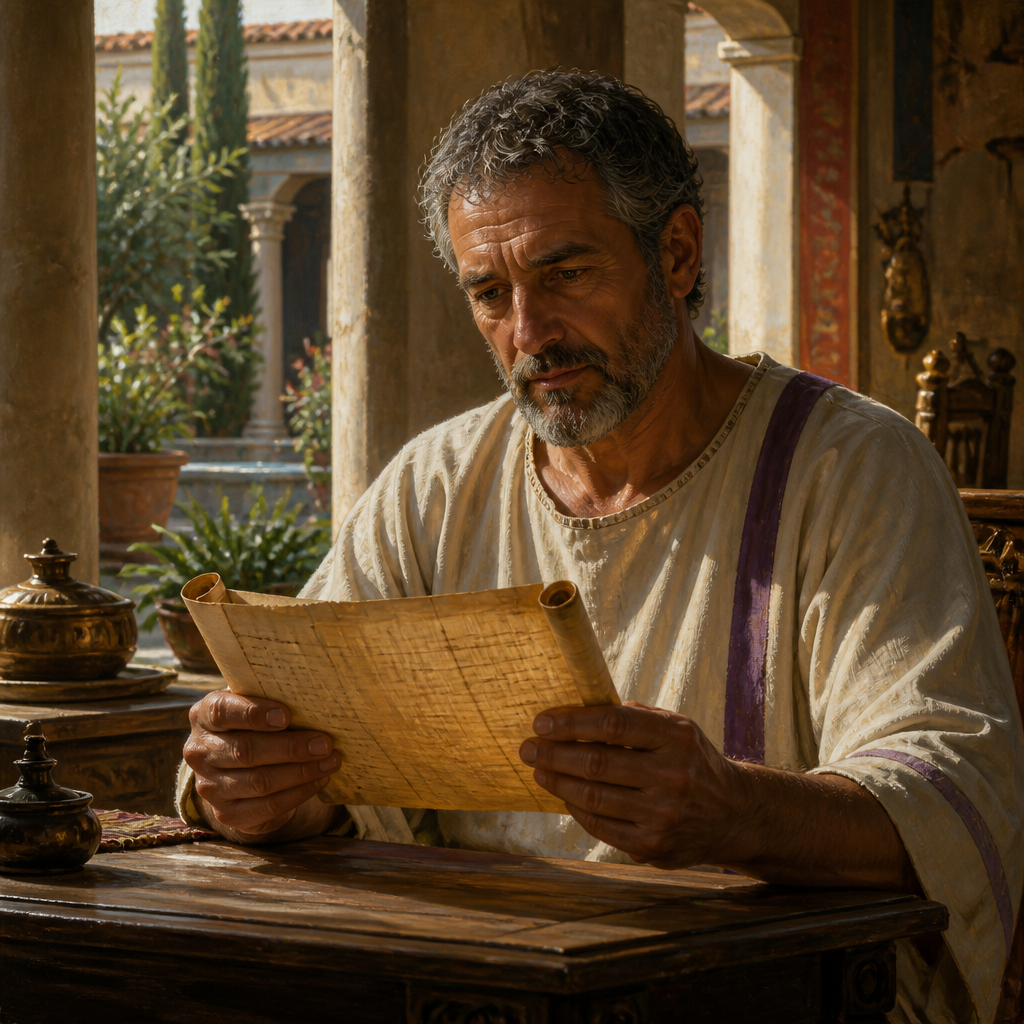
Philemon
Husband and fellow ministry leader
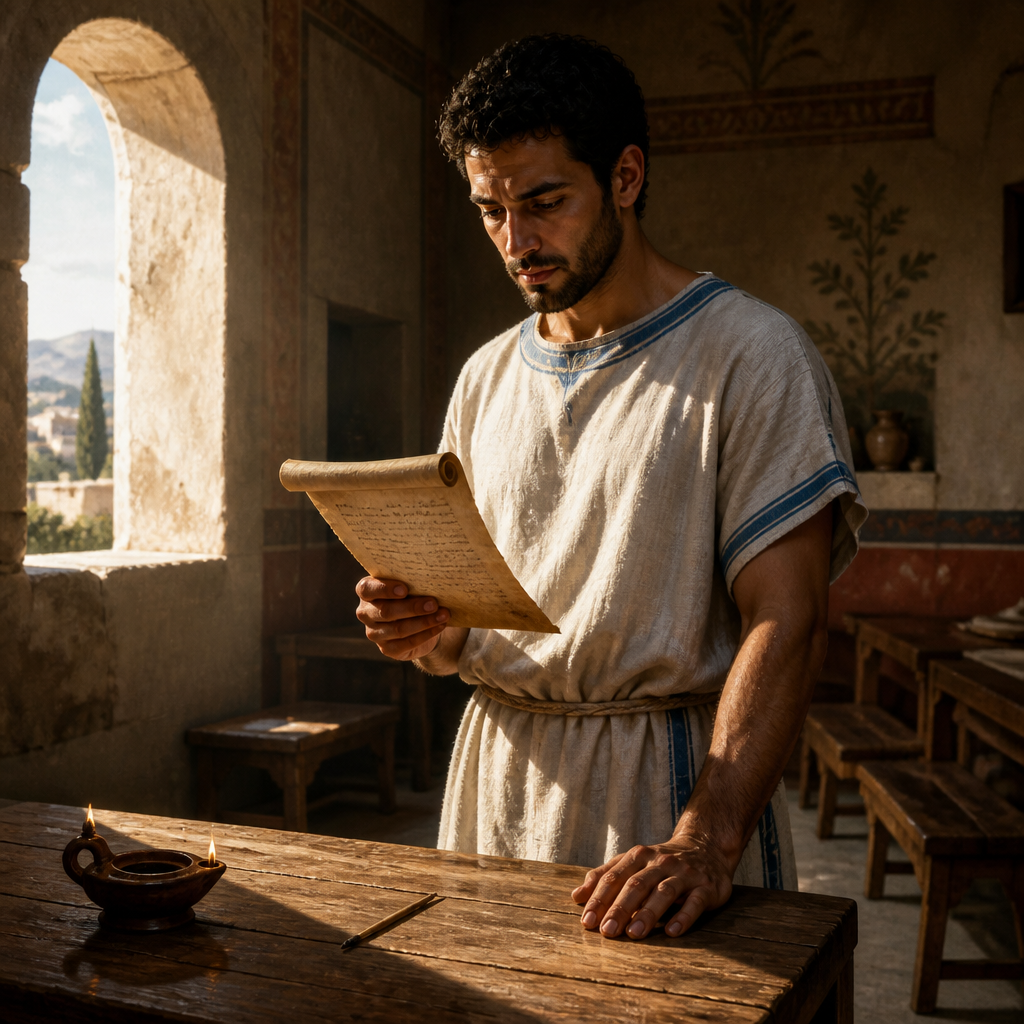
Archippus
Likely her son or a close ministry associate
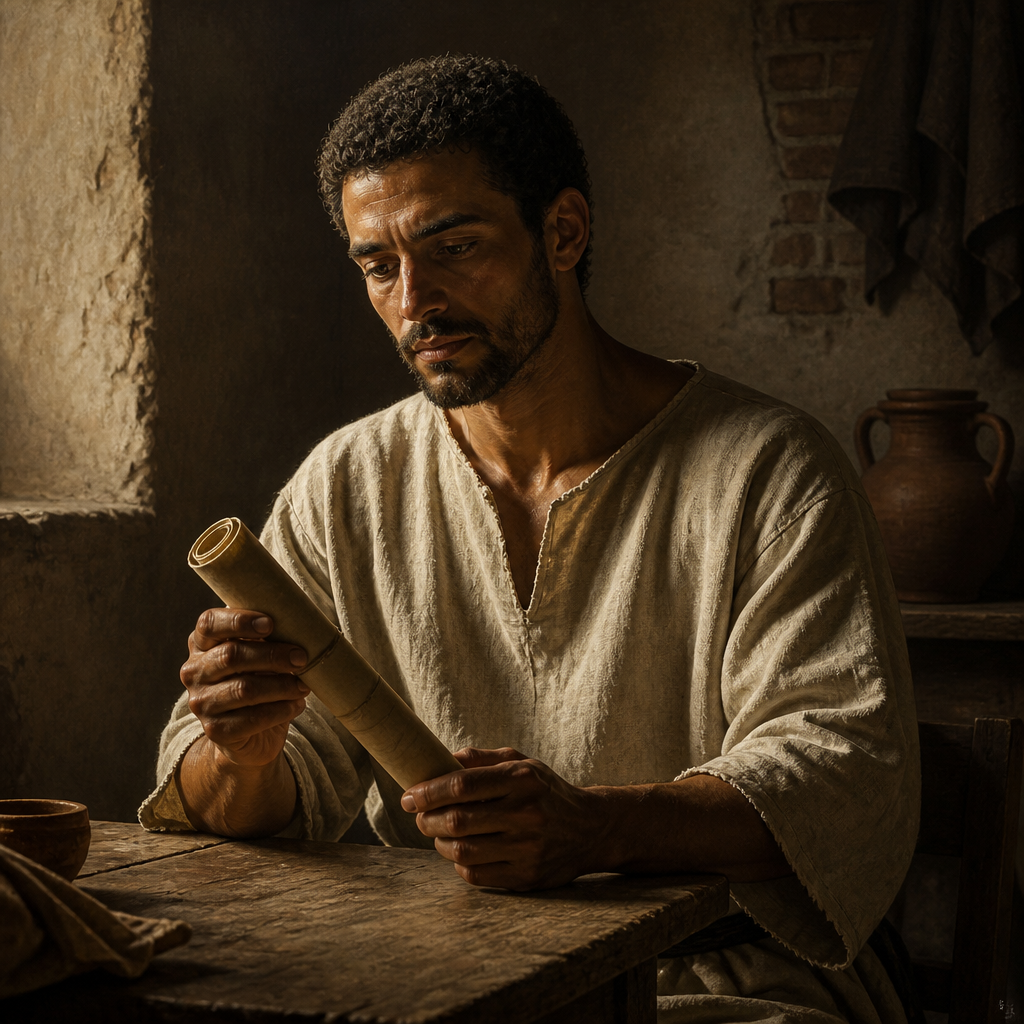
Onesimus
Formerly a slave in her household, later a Christian brother
Paul the Apostle
Apostolic mentor and friend