Archippus
Archippus was a first-century Christian leader in Colossae or Laodicea, addressed by the Apostle Paul as a 'fellow soldier' and exhorted to complete his divinely appointed ministry.
Archippus is a figure of the Apostolic Age mentioned in the New Testament epistles of Colossians and Philemon. Within the early Christian community of the Lycus River Valley in Asia Minor (modern-day Turkey), he held a position of significant responsibility. Paul the Apostle characterizes him with the honorific title 'fellow soldier,' a term Paul reserved for those who shared in the arduous labor and spiritual conflicts of the gospel ministry.
Historically, Archippus is associated with the household of Philemon, a wealthy Christian in Colossae. While his specific role—whether as a deacon, elder, or overseer—is not explicitly defined in the text, the direct exhortation he received from Paul indicates that he was an active participant in the leadership of the local church. His life serves as a biblical archetype for the importance of perseverance and the fulfillment of one's calling within the ecclesiastical structure.
Background and Family
Archippus appears within the context of the Colossian church, located in the Roman province of Asia. While the Bible does not provide a genealogical record for Archippus, biblical scholars and commentators traditionally identify him as a member of Philemon’s household. In the Opening of the Epistle to Philemon, Paul addresses Philemon, 'Apphia our sister,' and 'Archippus our fellow soldier,' along with the church that meets in Philemon's home (Philemon 1:1–2).
Due to the grouping of these names, many scholars conclude that Apphia was likely the wife of Philemon and Archippus was their son. If this domestic reconstruction is accurate, Archippus grew up in a household of relative wealth and social standing that had been transformed by the Christian faith. The presence of a 'church in your house' suggests that the family’s residence served as a primary hub for Christian worship and assembly in Colossae, placing Archippus at the center of the burgeoning Christian movement in the region.
Major Life Events
The primary event associated with Archippus in the biblical narrative is the specific instruction sent to him by the Apostle Paul. In the concluding remarks of the Epistle to the Colossians, Paul writes: 'And say to Archippus, “See that you fulfill the ministry that you have received in the Lord”' (Colossians 4:17). This indicates that Archippus had been entrusted with a specific diakonia (service or ministry) that, at the time of Paul’s writing, remained unconditioned or incomplete.
Expositors have debated the nature of this ministry for centuries. Some traditions, such as those found in the Apostolic Constitutions, suggest Archippus was the first bishop of Laodicea, a neighboring city to Colossae. Others suggest he was temporarily filling the role of Epaphras, the founder of the Colossian church, while the latter was visiting Paul in prison. Regardless of the specific title, the 'event' recorded is a public, apostolic call to accountability. The fact that the message was to be delivered via the congregation ('And say to Archippus...') suggests that his ministry was of a public nature and vital to the health of the local body of believers.
Relationship to Other Biblical Figures
Archippus’s most vital relationships were with the Apostle Paul and Timothy. Paul’s description of him as a 'fellow soldier' (Greek: systratiōtēs) is a high commendation. This term implies that Archippus was not merely a convert but a partner in the spiritual defense and advancement of the faith, likely enduring the same persecutions and social pressures that Paul himself faced.
He was also closely linked to Philemon and Onesimus. If Archippus was indeed part of Philemon’s household, he would have been a witness to the drama surrounding the runaway slave Onesimus. Paul’s letter regarding Onesimus’s return as a brother in Christ would have been read in the hearing of Archippus, further shaping his understanding of grace and the social implications of the gospel. Additionally, Archippus worked alongside Epaphras, whom Paul identifies as the primary laborer for the churches in Colossae, Laodicea, and Hierapolis (Colossians 4:12–13).
Spiritual Significance
The spiritual significance of Archippus lies largely in the brief but potent exhortation he received in Colossians 4:17. He stands as a representative for every believer who has received a 'calling' or 'ministry.' Paul’s emphasis on 'fulfilling' (Greek: plērois) the ministry suggests that it is not enough to begin a work for God; one must persevere until the task is complete.
Biblical commentators often note the tone of this instruction. It is not necessarily a rebuke, but rather a focused encouragement. It highlights the reality that ministry can be exhausting and that leaders are prone to distraction or discouragement. By including this note in a circular letter, Paul provides a model for how the church community can support and encourage its leaders. Archippus’s legacy is one of stewardship—reminding the reader that ministry is a gift 'received in the Lord' and carries with it a solemn responsibility to the Giver.
Spiritual Significance
Archippus is significant as a primary example of localized church leadership during the late apostolic era. His mention in both a personal letter (Philemon) and a communal letter (Colossians) demonstrates the intersection of family life and church governance in the early house-church model. He represents the 'second generation' of workers who took up the mantle of the gospel after it was initially planted by figures like Paul and Epaphras.
Theologically, the specific charge given to Archippus underscores the New Testament doctrine of 'vocation' or 'calling.' It asserts that ministry is not self-appointed but received from the Lord, and it requires active vigilance ('See that you...') to maintain. Archippus serves as a biblical witness to the necessity of perseverance in the face of the mundane or difficult realities of local church administration and pastoral care.
Frequently Asked Questions
Was Archippus a bishop?
While the New Testament does not use the title 'bishop' for him, early church tradition (including the Apostolic Constitutions) identifies him as the first bishop of Laodicea or a leader in Colossae.
What is the meaning of the name Archippus?
The name Archippus is of Greek origin and means 'master of horses' or 'chief horseman' (from 'archos' meaning leader and 'hippos' meaning horse).
Was Archippus related to Philemon?
The Bible does not explicitly state their relationship, but because Paul addresses Archippus immediately after Philemon and Apphia in a personal letter, most scholars believe he was their son.
What 'ministry' did Archippus need to fulfill?
The Bible does not specify the exact nature of his ministry. Scholars speculate it could have been pastoring the church in Philemon's home, overseeing the church in Laodicea, or fulfilling a specific task left by Epaphras.
Why did Paul call him a 'fellow soldier'?
This was a term of endearment and respect Paul used for coworkers who shared in the dangers, hardships, and spiritual battles of the Christian mission.
Connected Figures
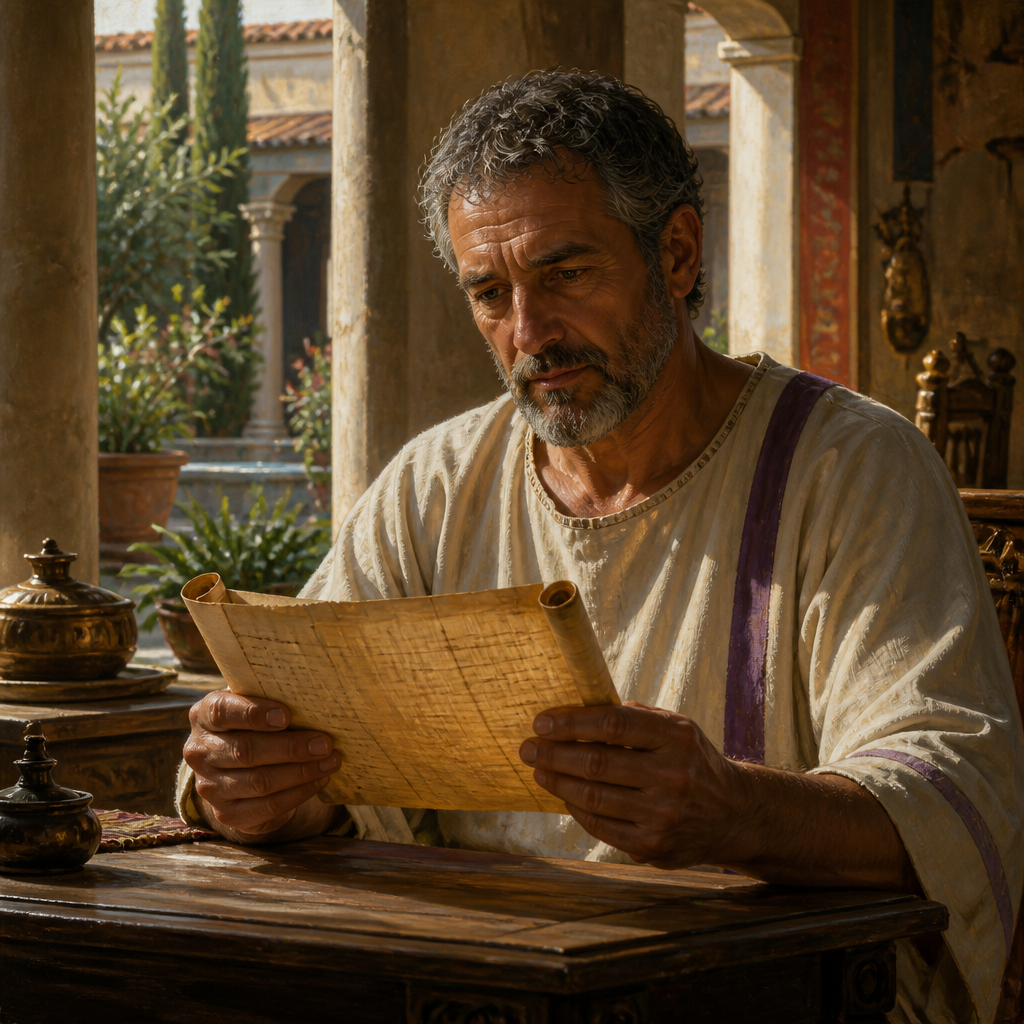
Philemon
Probable father and head of the household
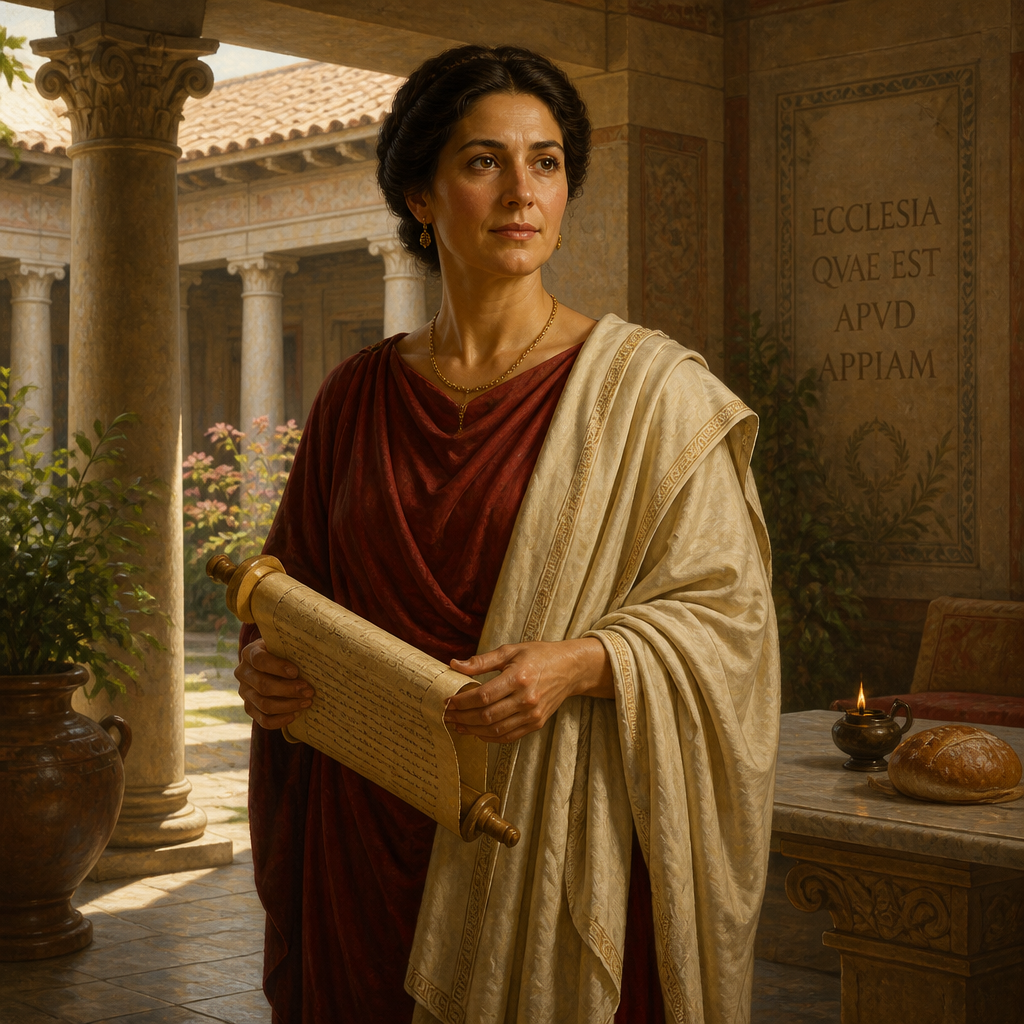
Apphia
Probable mother
Paul the Apostle
Mentor and apostolic authority
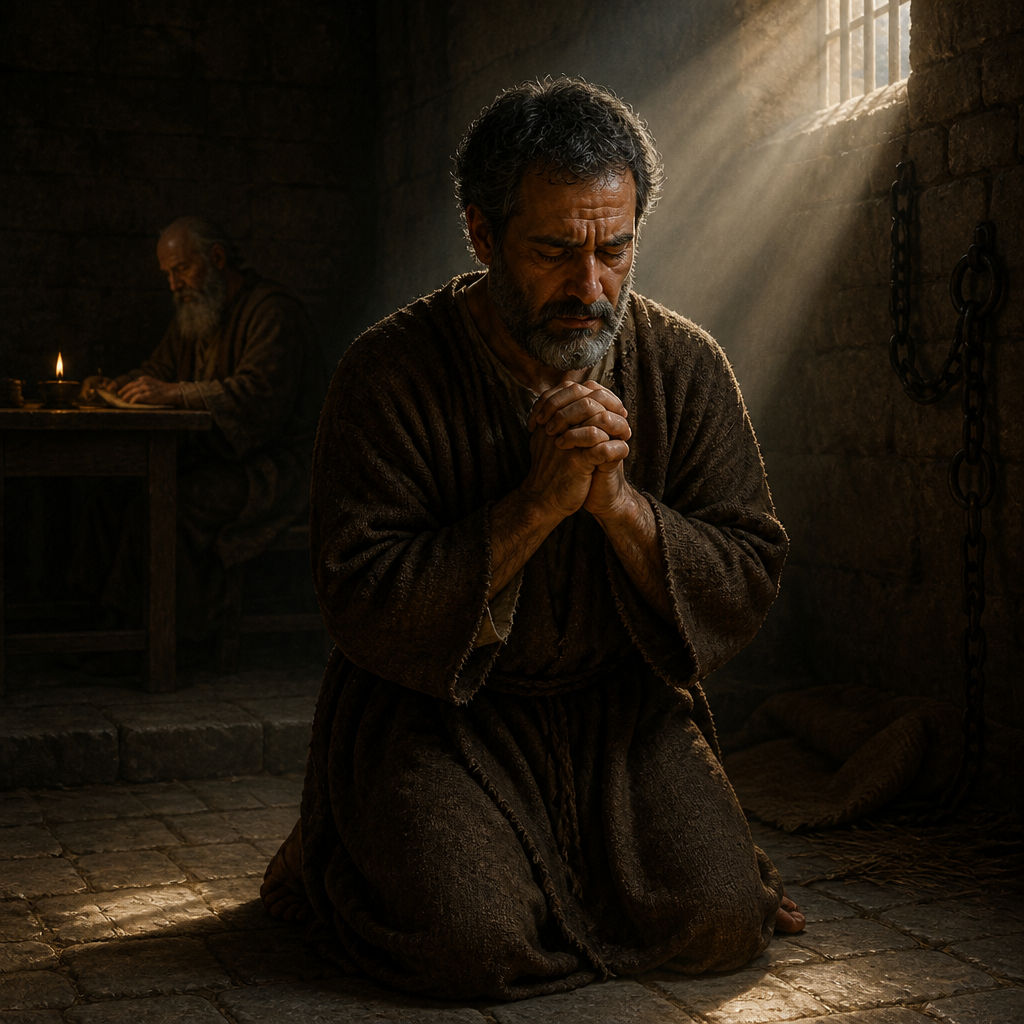
Epaphras
Fellow minister in the Lycus Valley
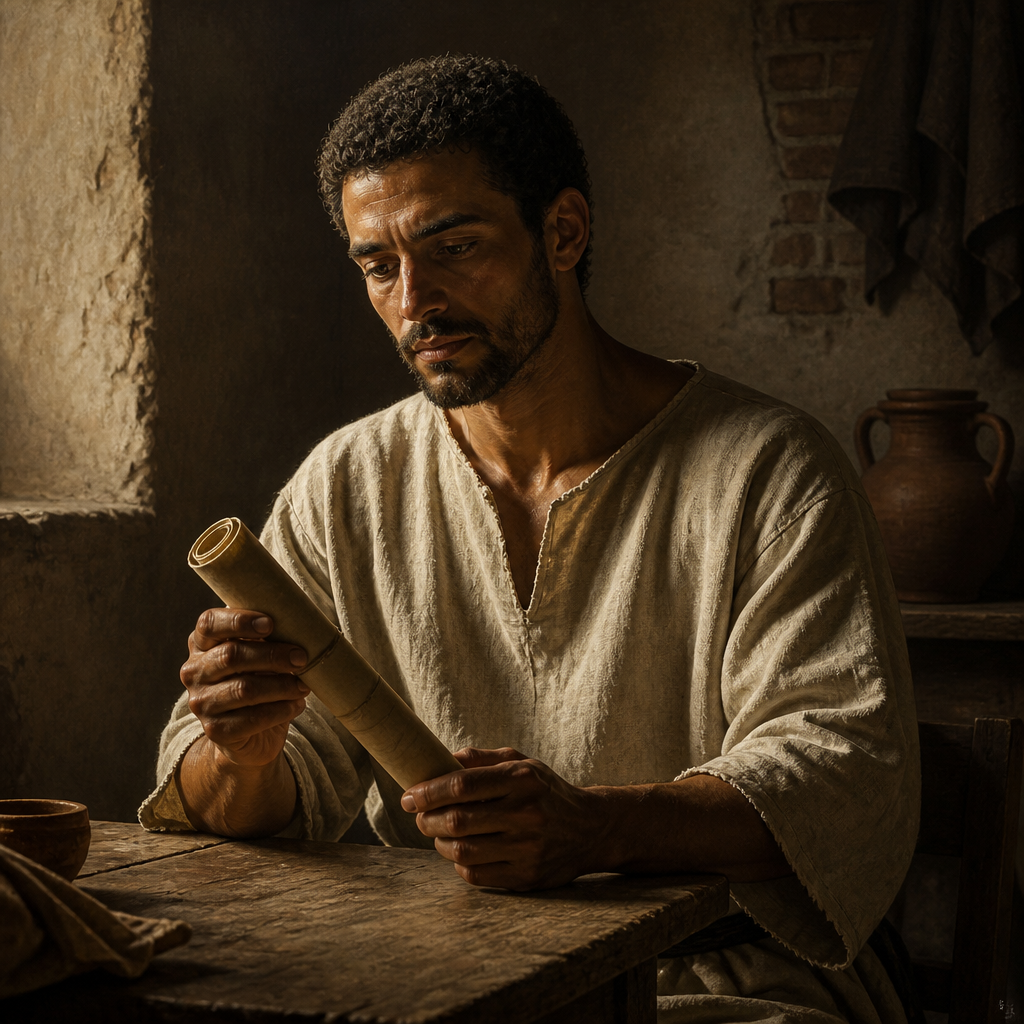
Onesimus
Member of the same household/church circle