Debated Identity
A collective of enigmatic individuals in the New Testament whose specific historical identities remain the subject of intense scholarly debate.
The biblical record contains several figures whose specific historical identities remain the subject of intense scholarly debate, often referred to as a Debated Identity. These individuals appear at pivotal moments in the narrative, yet the text provides limited biographical details, leading to various interpretations regarding their status, office, or symbolic function. Because the scriptures do not explicitly link these figures into a single formal group, their inclusion in this category rests on the ambiguity of their descriptions and the specific roles they fulfill within their respective accounts.
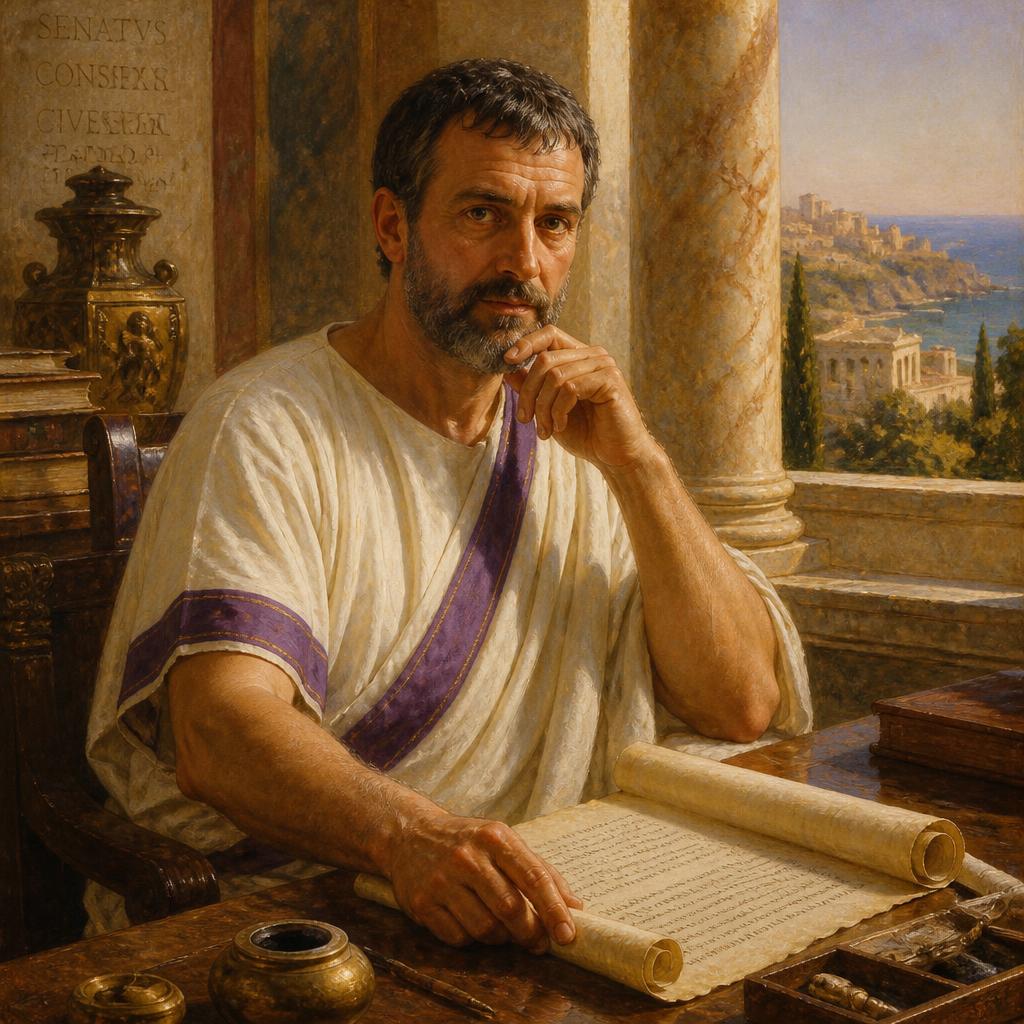
Theophilus is addressed as the recipient of the Gospel of Luke and the Book of Acts, where he is called most excellent (Luke 1:3). The text does not say if this title indicates a Roman government office or a mark of social standing, but he is the primary audience for the defense of the Christian faith (Acts 1:1). Asen is identified as one of the temple servants who returned from the Babylonian exile to Jerusalem (Ezra 2:50). The Naked Young Man appears during the arrest of Jesus in the Garden of Gethsemane, where he follows the group wearing only a linen cloth (Mark 14:51). When the authorities attempt to seize him, he leaves the garment behind and flees naked (Mark 14:52). The text does not say who he was or why he was present at that late hour.
These figures represent the diverse social and administrative layers present in the biblical world, from high-ranking officials to humble temple workers. Theophilus serves as a bridge between the oral tradition of the apostles and the written record intended for an educated audience. Asen represents the continuity of the priesthood and its supporting staff during the restoration of the Jewish temple. The Naked Young Man provides a specific, albeit mysterious, eyewitness detail that underscores the chaos and desertion surrounding the passion of Jesus.
The presence of these individuals in the canon highlights the intersection of private lives and public history. While the text focuses on the central theological narrative, it preserves the names and actions of these figures without resolving the questions surrounding their origins. Their roles demonstrate that the biblical accounts are populated by specific people whose identities were known to the original authors, even if their full histories were not deemed necessary for the theological purpose of the writing. By recording these names, the text anchors its events in a concrete historical reality that includes both prominent patrons and anonymous bystanders.
Everyone in this list
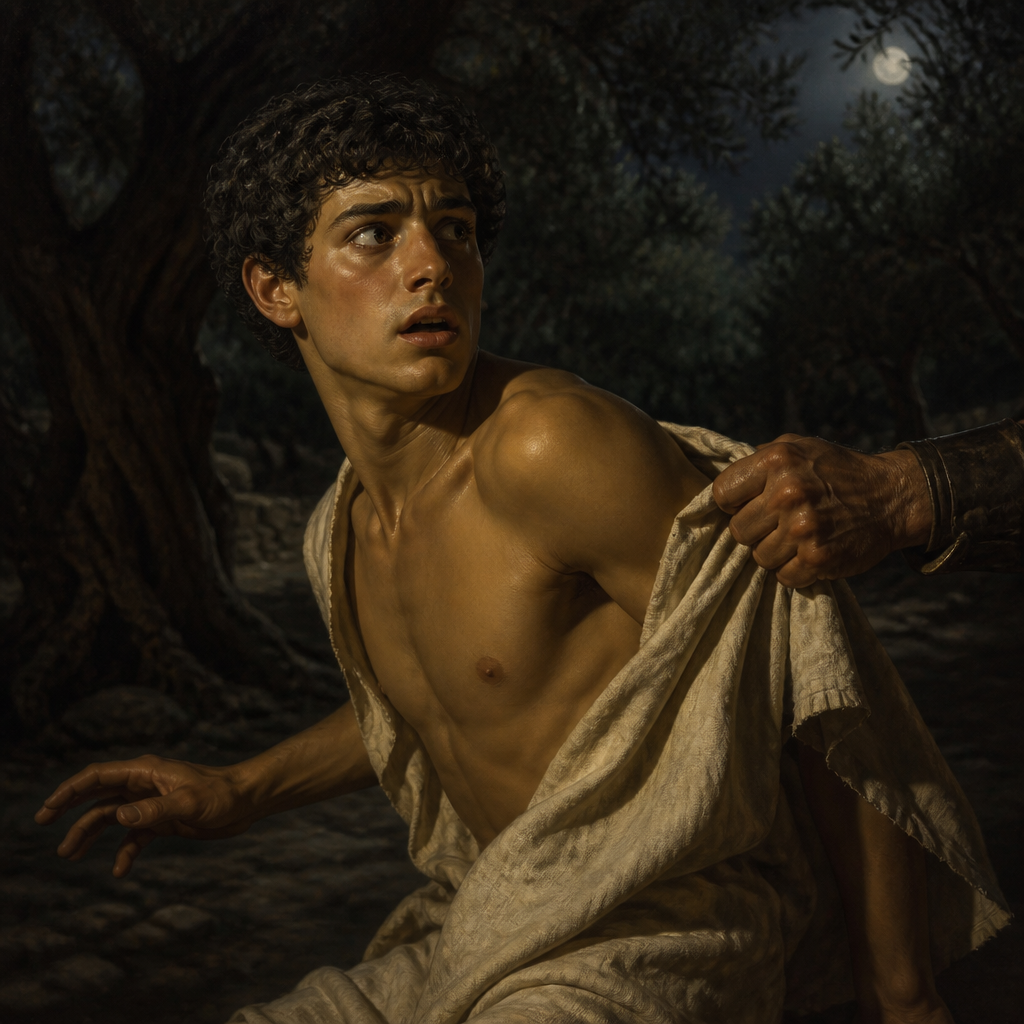
The Naked Young Man
Young man who fled naked from the Garden of Gethsemane during the arrest of Jesus