Bera
Bera was the King of Sodom during the time of Abraham, known for leading a rebellion against the Elamite King Chedorlaomer and his later interaction with the patriarch.
Bera was the monarch of the city-state of Sodom during the Middle Bronze Age, a period characterized by shifting regional alliances and the dominance of Mesopotamian powers over the Levant. He is primarily known for his role in the 'Battle of the Vale of Siddim,' where he led a coalition of five Canaanite city-states in an attempt to overthrow their Elamite overlords.
His historical and biblical narrative is preserved in the fourteenth chapter of the Book of Genesis. Bera stands as a significant figure in the primeval history of Israel, representing the urban centers of the Jordan Plain which were notorious for their moral dekadenze, yet politically relevant to the biography of Abraham. His interactions with Abraham after the recovery of captives define a critical moment in the development of Abraham's character and his commitment to divine providence.
Background and Family
Bera ruled over Sodom, the most prominent of the five 'cities of the plain' (Pentapolis) located in the vicinity of the Dead Sea. The biblical text provides no genealogical data regarding his lineage or his predecessors, focusing instead on his political status at the time of the Elamite invasion. The name 'Bera' has been the subject of significant etymological debate among scholars. Some linguistic analyses suggest the name may be derived from a root meaning 'gift' or 'excellence,' while later rabbinical traditions—often employing a play on words—associated the name with the Hebrew word 'ra,' meaning 'evil.' However, within the direct historical narrative, Bera is presented simply as the sovereign head of a local Canaanite power.
His kingdom, Sodom, was part of a lucrative trade route and was situated in a region described as being 'well watered everywhere like the garden of the Lord' (Genesis 13:10) before its eventual destruction. This environmental wealth explains both the attractiveness of the region to King Chedorlaomer for taxation and the strategic importance of Bera’s rebellion.
Major Life Events
The Rebellion against Chedorlaomer
For twelve years, Bera and four other kings—Birsha of Gomorrah, Shinab of Admah, Shemeber of Zeboiim, and the unnamed king of Bela (Zoar)—served as vassals to Chedorlaomer, the King of Elam. In the thirteenth year of their subjugation, Bera led these kings in a tax revolt. This act of defiance prompted a massive military campaign from the east. Chedorlaomer, accompanied by three other Mesopotamian kings (Amraphel, Arioch, and Tidal), moved south to suppress the insurrection.
The Battle of the Vale of Siddim
The decisive encounter occurred in the Vale of Siddim, an area filled with bitumen (tar) pits. Despite fighting on their home ground, Bera and his allies were soundly defeated. The biblical account notes that as the kings of Sodom and Gomorrah fled, some fell into the tar pits while others escaped to the mountains. This defeat resulted in the total looting of Sodom and the capture of its inhabitants, including Abraham’s nephew, Lot.
Meeting with Abraham
Following the rescue mission led by Abraham (then known as Abram) and his 318 trained men, Bera went out to meet the patriarch at the Valley of Shaveh (the King’s Valley). In this diplomatic encounter, Bera displayed a degree of pragmatism and respect for the victor. He proposed a division of the spoils: 'Give me the people and keep the goods for yourself' (Genesis 14:21). This request was consistent with regional customs regarding the recovery of war booty and subjects.
Relationship to Other Biblical Figures
Bera’s most significant relationship is his interaction with Abraham. Unlike Melchizedek, the King/Priest of Salem who appeared at the same meeting and blessed Abraham, Bera offered a purely secular and material transaction. Abraham sharply rejected Bera’s offer, swearing an oath to 'God Most High' that he would not take so much as a thread or a sandal strap from the King of Sodom, lest Bera should say, 'I have made Abram rich.'
Bera also maintained a temporary military alliance with Birsha, Shinab, and Shemeber. While these kings are named, the text emphasizes Bera as the primary representative of the rebel coalition, likely due to Sodom's status as the regional seat of power.
Spiritual Significance
In the broader context of the Genesis narrative, Bera serves as a foil to both Melchizedek and Abraham. While Melchizedek represents the divine priesthood and the worship of the Creator, Bera represents the worldly, material city-state and its inherent instability. His inability to protect his own people—requiring a nomad like Abraham to intervene—highlights the recurring biblical theme that human military power is subordinate to divine favor.
Furthermore, Bera's interaction with Abraham provides a foundational lesson in spiritual independence. By refusing Bera's goods, Abraham demonstrated that his prosperity was derived solely from God's promise rather than the spoils of a Canaanite king. Bera thus functions as a symbol of the 'temptations of the world' that Abraham had to overcome to maintain his covenantal integrity. Though Bera is not depicted with the overt wickedness later attributed to the citizens of Sodom during the time of Lot, his presence marks the beginning of the biblically tragic history of that city.
Spiritual Significance
Bera is significant as the first king specifically named in the Bible as a ruler of Sodom. His narrative role defines the political landscape of the Levant during Abraham's life and establishes the geopolitical stakes of the region. He serves as a catalyst for Abraham’s transition from a quiet pastoralist to a capable military leader and a man of high ethical standing in international diplomacy.
Theologically, Bera represents the vulnerability of earthly kingdoms. His defeat by the Mesopotamian coalition and his subsequent reliance on Abraham's intervention underscores the biblical premise that worldly kingship is fleeting without the blessing of the Almighty. The contrast between Bera's offers and Abraham's refusal remains a classic study in the distinction between material gain and spiritual provision.
Frequently Asked Questions
What does the name Bera mean?
The meaning is uncertain, but it is often linked to the Hebrew roots for 'gift' or 'excellence.' However, some ancient interpreters associated it with the word for 'evil' to reflect the reputation of his city.
Was Bera a contemporary of Abraham?
Yes, Bera was the King of Sodom during the time Abraham lived in Canaan, specifically when Abraham's nephew Lot moved to the Jordan Valley.
Did Bera die in the tar pits during the battle?
The text says he 'fell' into them while fleeing, but he survived the encounter, as he is later seen meeting Abraham to discuss the return of his people.
Why did Abraham refuse Bera's offer of wealth?
Abraham wanted to ensure that no earthly king could claim responsibility for his wealth or success, giving all the glory to 'God Most High' (El Elyon).
How long did Bera serve King Chedorlaomer?
Bera and his allies served as vassals to Chedorlaomer for twelve years before rebelling in the thirteenth year.
Connected Figures
Abraham
Rescuer of Bera's subjects and political contemporary
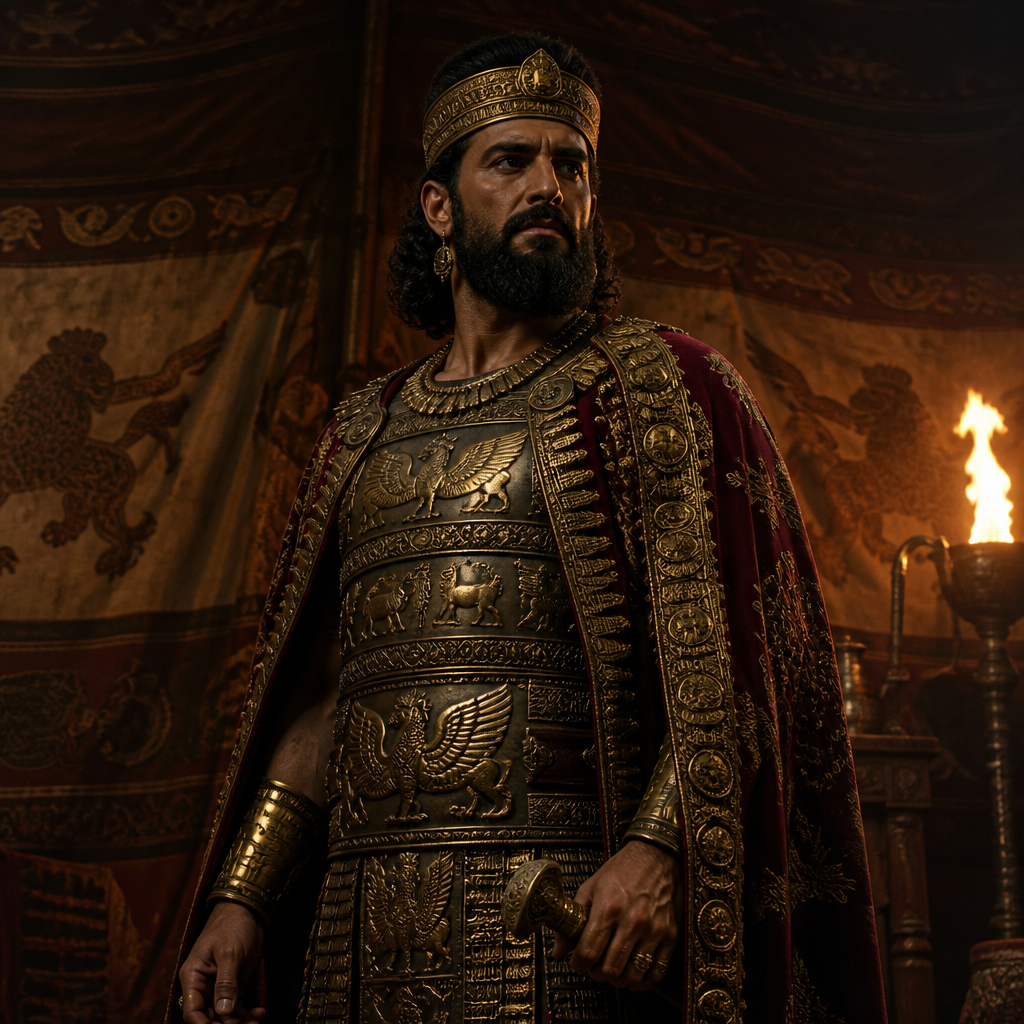
Chedorlaomer
Bera's Elamite overlord and military conqueror
Lot
Resident of Bera's city (Sodom) who was captured
Melchizedek
Contemporary king who met Abraham at the same time as Bera