High Standing Greeks of Berea
Prosperous and socially prominent Greek residents of Berea who converted to Christianity after diligently testing the Apostle Paul's teachings against the Hebrew Scriptures.
The High Standing Greeks of Berea represent a specific group of converts encountered by the Apostle Paul during his second missionary journey around 50–51 AD. Following Paul’s forced departure from Thessalonica, he and Silas arrived in the Macedonian city of Berea. Unlike many of their contemporaries, the social elite of this city—specifically described as men and women of 'high standing'—responded to the gospel with a unique combination of openness and rigorous intellectual scrutiny.
Historically, 'high standing' (Greek: euschēmōn) refers to those of noble birth, wealth, or high social status within the Greco-Roman world. This group was not merely composed of casual listeners; they were deeply integrated into the civic life of Berea. Their conversion was a significant event in the early church, as it demonstrated that the message of Christ could penetrate the upper echelons of Hellenistic society and win over those who valued classical education and tradition.
Background and Family
The individuals identified as the 'High Standing Greeks of Berea' were part of the Hellenistic population in the Roman province of Macedonia. During the 1st century AD, Berea (modern-day Veria) was a thriving city, known for its strategic location on the slopes of Mount Bermion. While much of the city’s population was Greek, it also hosted a significant Jewish community and a resident Roman administrative class.
The status of these Greeks is denoted by the Greek term euschēmōn. In the context of the New Testament and contemporary secular literature, this word described individuals of prominence, often possessing significant property, holding civic offices, or belonging to the local aristocracy. Notably, the author of Acts (Luke) highlights that these converts included 'not a few' women of high standing as well as men. This suggests that the early Christian community in Berea was comprised of families from the social elite, likely including influential matriarchs and patrons who provided financial stability and social protection to the fledgling church.
Major Life Events
The defining moment for these high-standing Greeks occurred during the Apostle Paul’s second missionary journey (Acts 17). Paul and Silas entered the synagogue of Berea after fleeing persecution in Thessalonica. The text notes that the Berean Jews were 'more noble' (eugenesteroi) than those in Thessalonica. However, the spiritual awakening extended immediately to the Gentile population associated with the synagogue.
According to the biblical narrative, these Greeks participated in a daily examination of the Scriptures. This was not a passive reception of Paul’s preaching; rather, it was an active, scholarly pursuit to see if Paul’s claims about the Messiah aligned with the Old Testament prophets. For the high-standing Greeks, this was an act of intellectual integrity. As a result of this rigorous inquiry, a substantial number of these prominent individuals embraced the Christian faith. Their conversion marked a shift in the local social hierarchy, as the 'nobility' of the city aligned themselves with a movement that was often viewed with suspicion by the Roman state.
Relationship to Other Biblical Figures
The primary interaction recorded for the high-standing Greeks was with the Apostle Paul and Silas. They served as the physical and intellectual audience for Paul’s defense of the gospel. Their presence in the narrative serves as a foil to the reception Paul received in other cities; whereas the elites in Philippi or Thessalonica often led the opposition against him, the elites in Berea became his supporters.
Additionally, the presence of Sopater of Berea (Acts 20:4)—who later accompanied Paul—suggests that at least one individual from this community rose to a position of leadership and personal partnership with the Apostle. The high-standing Greeks also faced the indirect influence of the Jews from Thessalonica, who, upon hearing of the success in Berea, came to stir up the crowds. While Paul was forced to flee to Athens, the high-standing Greeks remained under the care of Silas and Timothy, who stayed behind to provide further instruction and solidify the church’s foundation.
Spiritual Significance
The high-standing Greeks of Berea are immortalized in Christian tradition primarily for their methodology of faith. Their legacy is defined by the 'Berean Spirit'—the practice of testing all claims against the authority of the Word of God. For these Greeks, social status did not lead to intellectual pride; instead, they used their privilege and literacy to verify the truth for themselves.
From a missiological perspective, their conversion underscores the universality of the gospel. It proves that the early Christian message was not restricted to the marginalized or the poor but was equally compelling to the educated and the wealthy when presented with logical and scriptural rigor. Their inclusion in the Book of Acts highlights the diverse demographic makeup of the early Church, showing that 'high standing' in the world could be reconciled with a humble submission to the Lordship of Christ. They remain the primary biblical example of how to balance an open mind with a critical heart.
Spiritual Significance
The high-standing Greeks of Berea are significant because they represent the ideal response to the gospel: eager reception combined with skeptical verification. Their noble character was defined not by their social rank, but by their commitment to the objective truth of Scripture. This group provides a biblical precedent for the intellectual side of faith, demonstrating that belief in Christ can be grounded in evidence and systematic study.
Furthermore, the mention of 'high-standing Greek women' specifically emphasizes the prominent role women played in the expansion of the early Church. By highlighting their conversion, the Bible shows that the gospel transcended the rigid social and gender boundaries of the 1st-century Mediterranean world, creating a community where the wealthy and the socially prominent were united with others in the common pursuit of biblical truth.
Frequently Asked Questions
What does 'high standing' mean in Acts 17:12?
The Greek word used is 'euschēmōn,' which refers to people of high social status, wealth, or noble birth. It implies they were influential members of the Berean community.
Did the high-standing Greeks follow Judaism before Paul arrived?
The text suggests they were likely 'God-fearers'—Gentiles who worshipped the God of Israel and attended the synagogue but had not yet fully converted to Judaism.
Why are the Bereans called 'more noble' than the Thessalonians?
They were called 'more noble' because they received Paul's message with eagerness and searched the Scriptures daily to verify his teachings, rather than reacting with immediate hostility.
Who were some of the notable high-standing Greeks in the Bible?
While most are unnamed, Sopater of Berea is mentioned in Acts 20:4 as a companion of Paul, representing the fruit of the mission in that city.
How did the high-standing Greeks affect Paul's ministry?
Their conversion provided a strong foundation for the Berean church, though their presence eventually attracted jealous opposition from Thessalonian Jews.
Connected Figures
Paul the Apostle
Preached the gospel to them
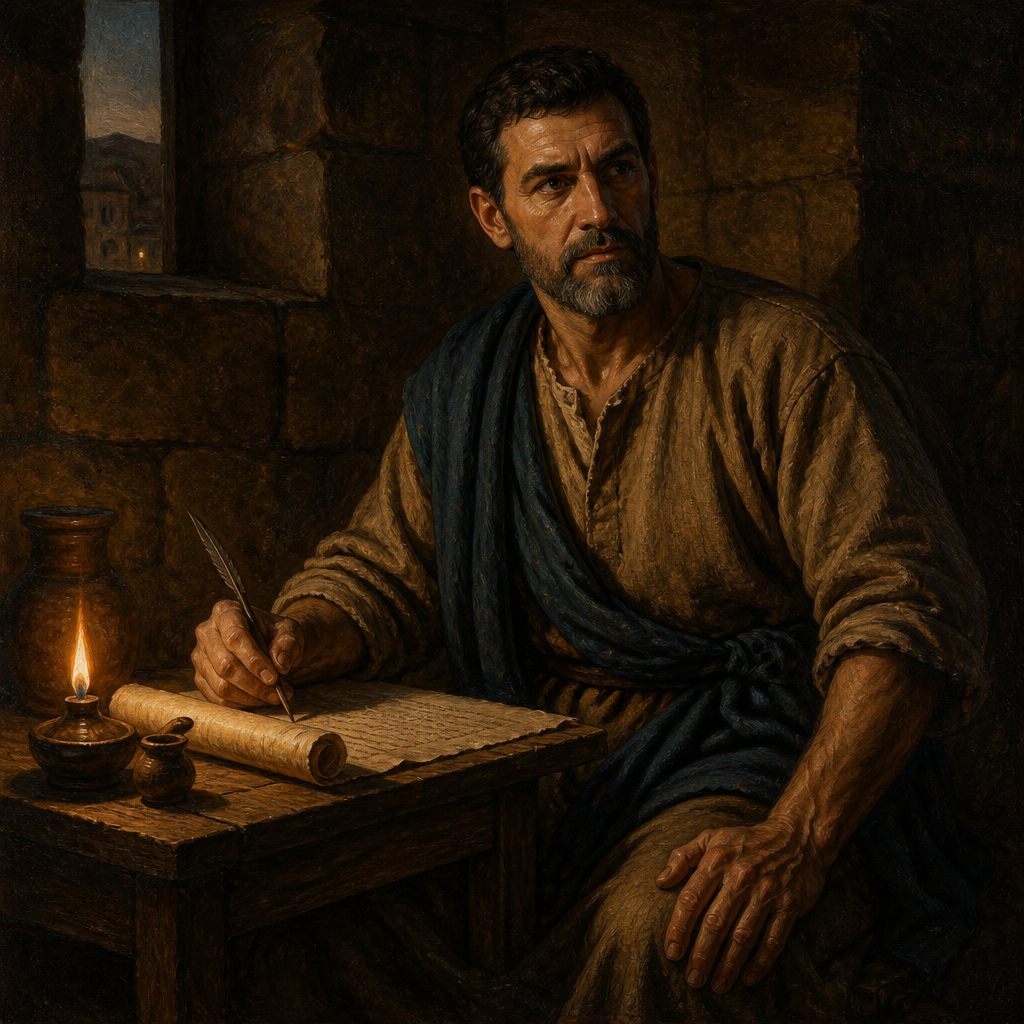
Silas
Missionary partner who remained to teach them
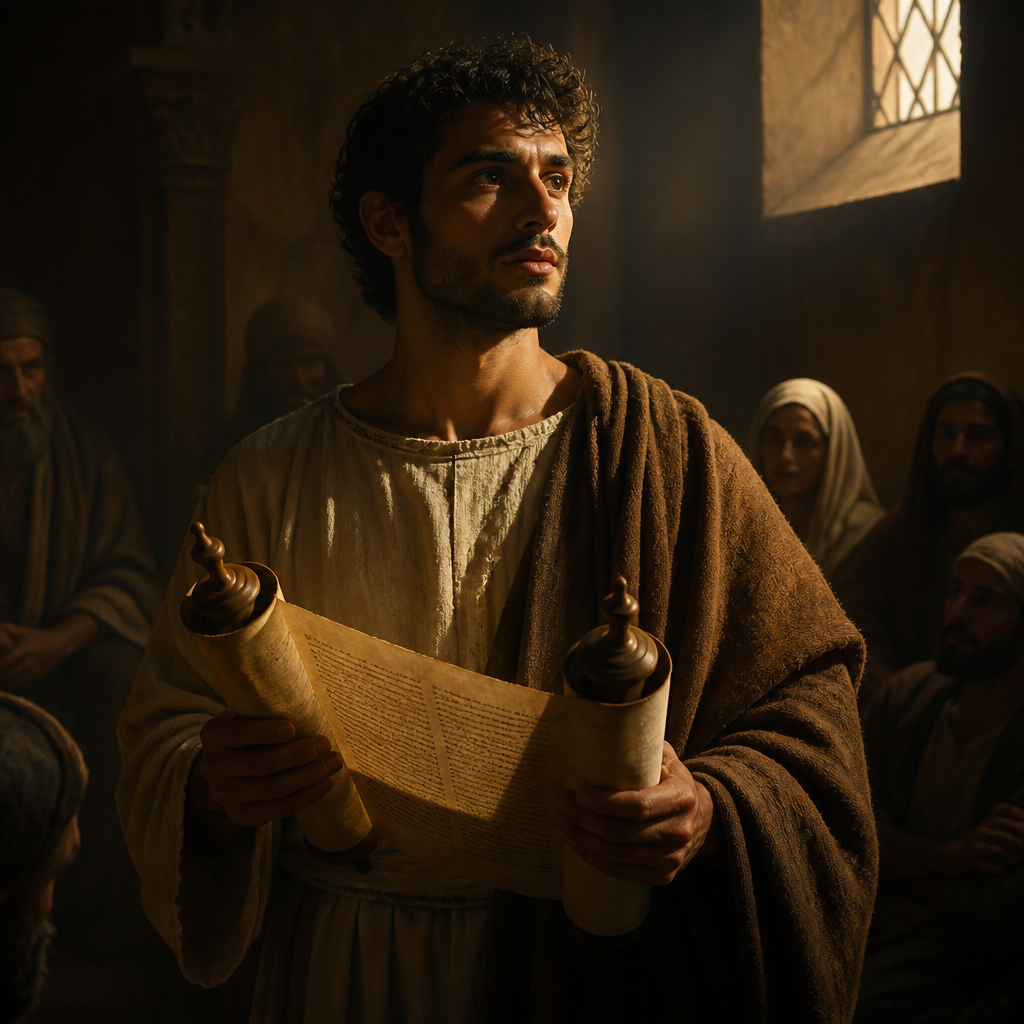
Timothy
Assisted in their spiritual growth
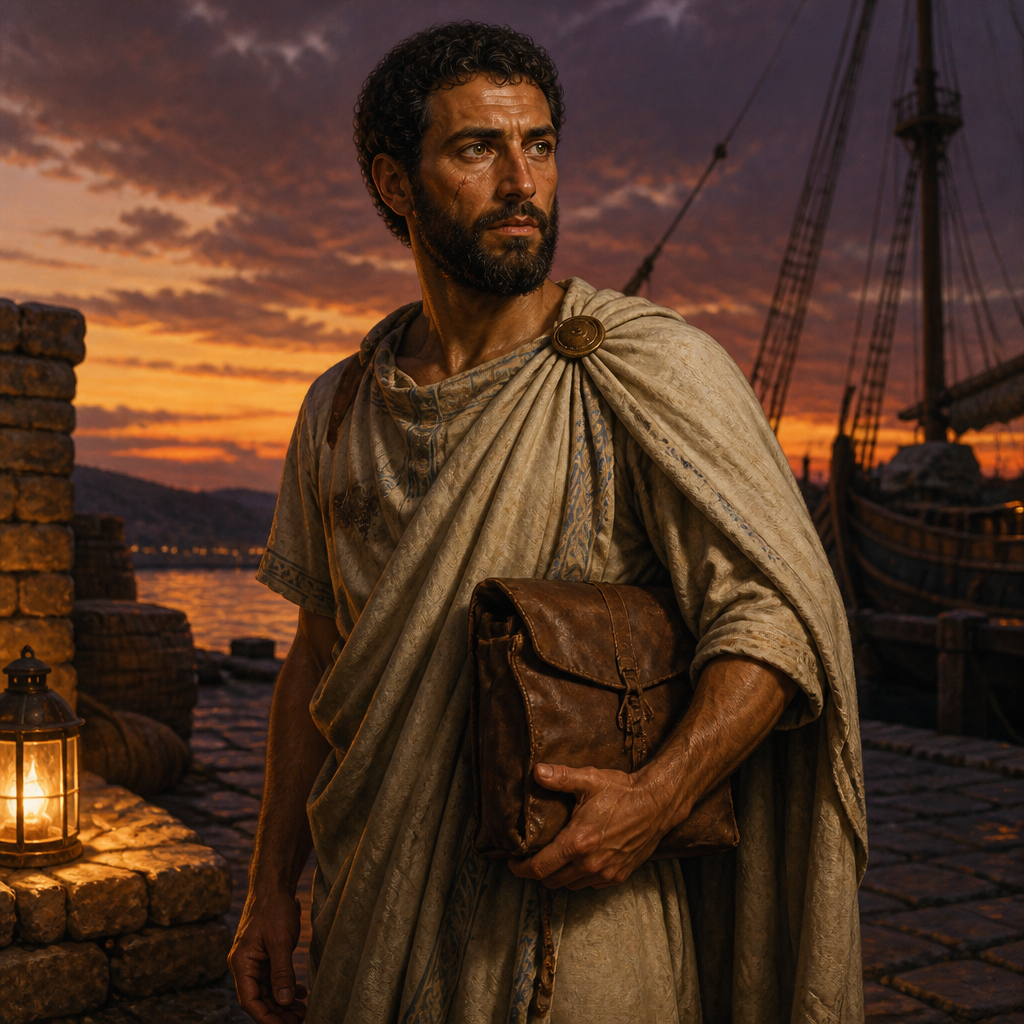
Sopater
A fellow Berean believer who traveled with Paul