Sopater
A Christian from Berea and son of Pyrrhus, Sopater was a loyal travelling companion of the Apostle Paul during his third missionary journey.
Sopater of Berea was a first-century Macedonian Christian who emerged as a notable figure within the early church during the apostolic era. He represents the fruits of the Apostle Paul’s ministry in the Roman province of Macedonia, specifically from the city of Berea—a location famous for its inhabitants’ diligent study of the Scriptures. His name, of Greek origin, translates to 'Savior of a Father' or 'of a safe father,' common among the Hellenistic populations of the time.
Sopater is mentioned by name in the Book of Acts as one of the trusted companions who accompanied Paul on his return trip from Greece through Macedonia into Asia Minor. His presence in the Pauline inner circle indicates a man of significant spiritual maturity and reliability, as he was chosen to represent his home congregation during a critical period of the early church's inter-continental missions and charitable efforts.
Background and Family
Sopater is introduced to the biblical narrative in Acts 20:4. He is identified specifically as the son of Pyrrhus (in the most reliable Greek manuscripts, such as the Codex Sinaiticus and Codex Vaticanus), a detail that helps distinguish his social lineage within the Macedonian city of Berea. The mention of his father’s name suggests that Pyrrhus may have been a person of some standing or well-known within the Christian community, or perhaps that Sopater himself was a man of high social status who brought honor to his family through his conversion to the Way.
Berea, Sopater's home city, played a pivotal role in the expansion of Christianity. According to Acts 17, the Bereans were described as 'more noble' than those in Thessalonica because they received the word with all readiness of mind and searched the scriptures daily to verify Paul’s teachings. It is within this culture of intellectual rigor and scriptural devotion that Sopater was likely converted. As a Berean, he would have been grounded in a tradition of biblical literacy and critical examination of prophecy, qualities that would have made him an invaluable asset to Paul’s missionary team.
Major Life Events
Sopater’s primary biblical mention occurs during the conclusion of Paul’s third missionary journey (c. 57 AD). Paul had spent three months in Greece (Achaia) and was planning to sail directly to Syria. However, a Jewish plot against his life forced a change in travel plans, leading Paul to return north through Macedonia. Sopater is listed as the first of several companions who accompanied Paul on this trek across the Aegean region.
This journey was not merely for evangelism but was tied to a significant ecclesiastical project: the collection for the impoverished saints in Jerusalem. Each of the men listed in Acts 20:4—Sopater of Berea, Aristarchus and Secundus of Thessalonica, Gaius of Derbe, Timothy, and Tychicus and Trophimus of Asia—likely represented their respective local churches. Sopater served as the official delegate for the Berean church, entrusted with carrying or safeguarding the financial gift intended for the Mother Church in Judea.
Sopater traveled with Paul as far as Asia (western Turkey). The group sailed from Philippi after the Days of Unleavened Bread and met Paul at Troas, where they stayed for seven days. This period included the famous episode where Eutychus was raised from the dead. While the biblical text does not explicitly follow Sopater all the way to Jerusalem, his inclusion in this select group of 'messengers of the churches' (2 Corinthians 8:23) highlights his active participation in the dangerous and costly work of the early ministry.
Relationship to Other Biblical Figures
Sopater’s relationship with the Apostle Paul was one of mutual trust and shared burden. To be selected for the journey to Jerusalem was no small matter; it required a man of integrity who could handle large sums of money and face the perils of ancient travel, including shipwrecks and bandits. Sopater worked alongside other prominent figures of the New Testament, such as Timothy (Paul’s protégé) and Luke (the author of Acts, who was present during this journey, as indicated by the 'we' sections of the text).
His association with Aristarchus and Secundus further links him to the Macedonian mission. Together, these men represented the success of the Gospel in Northern Greece, standing as living proof of the transformation of the Gentile world.
Spiritual Significance
Sopater serves as a model of the 'lay' leader in the early church. While he is not credited with writing epistles or performing miracles, his spiritual significance lies in his steadfastness and his willingness to leave his home to serve the broader body of Christ. He embodies the 'noble' character of the Bereans—a combination of intellectual inquiry and practical service.
His role in the collection for Jerusalem also underscores the theological theme of Christian unity. By bringing a representative from Berea (a Greek city) to assist the Judean (Jewish) Christians, Paul used men like Sopater to demonstrate that the middle wall of separation had been broken down. Sopater’s presence in the narrative reminds readers that the success of the apostolic mission depended not only on the charisma of figures like Paul but on the quiet, reliable support of men who were willing to travel, serve, and represent their communities in the work of God.
Spiritual Significance
Theologically, Sopater represents the fulfillment of the Great Commission in the Macedonian region and the practical administration of the early church. His selection as a delegate for the Berean church illustrates the early Christian practice of accountability and 'stewardship of the gift.' By involving representatives like Sopater in the transport of the Jerusalem collection, Paul ensured that the ministry was above reproach in the eyes of both God and man.
Furthermore, Sopater stands as a testament to the longevity of the Berean faith. While many converts in other cities wavered under persecution, Sopater’s willingness to travel across the Roman Empire with Paul years after the initial mission to Berea shows a deep-rooted and enduring commitment to the Gospel. He is a primary example of how the 'noble' reception of the Word leads to active, sacrificial participation in the life of the universal Church.
Frequently Asked Questions
What does the name Sopater mean?
The name Sopater is of Greek origin, meaning 'savior of a father' or 'of a safe father.'
Where was Sopater from?
Sopater was from the city of Berea in the Roman province of Macedonia (modern-day northern Greece).
Who was Sopater's father?
According to Acts 20:4 in the best early manuscripts, Sopater was the son of a man named Pyrrhus.
Why did Sopater travel with the Apostle Paul?
Sopater was a representative of the Berean church, accompanying Paul to Asia Minor and likely intending to deliver a charitable collection to the Christians in Jerusalem.
In which book of the Bible is Sopater mentioned?
Sopater is specifically mentioned in the Book of Acts, chapter 20, verse 4.
Connected Figures
Paul the Apostle
Missionary Leader and Mentor
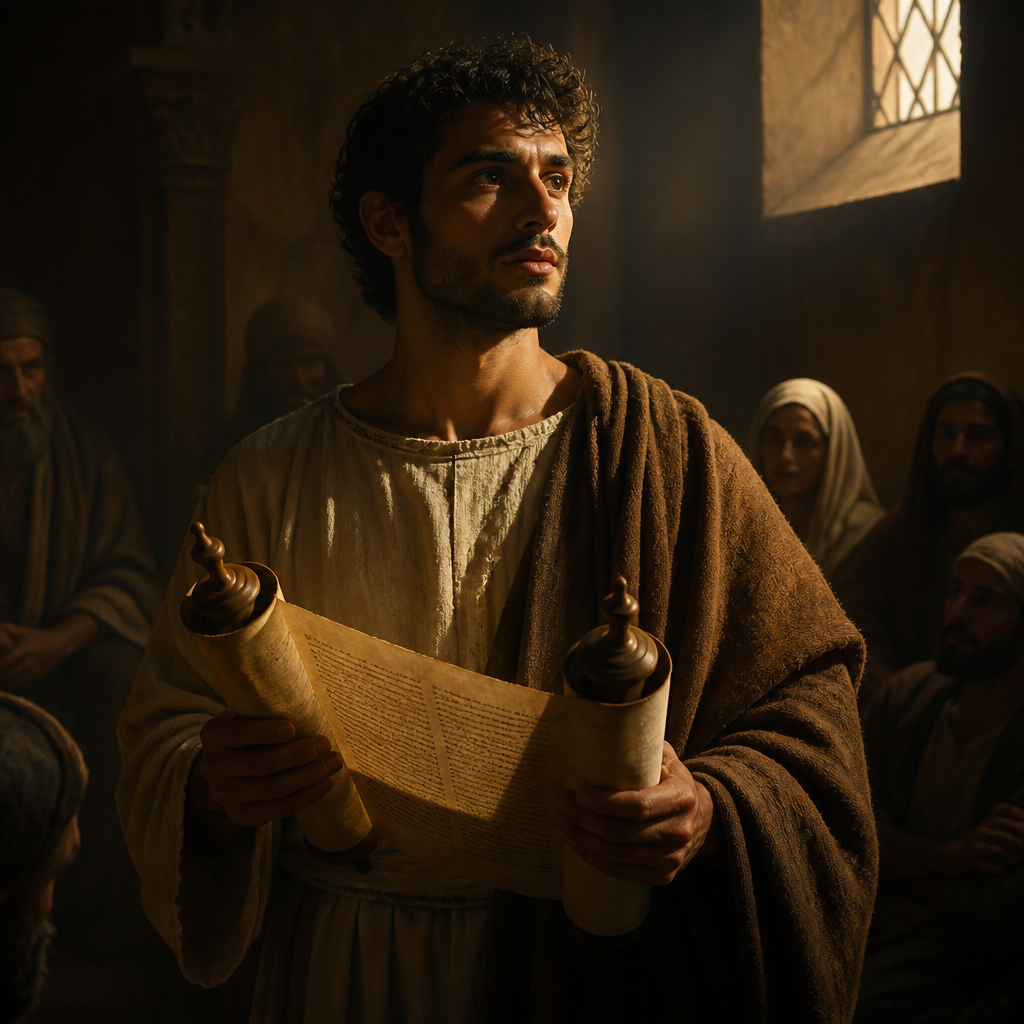
Timothy
Fellow Traveling Companion
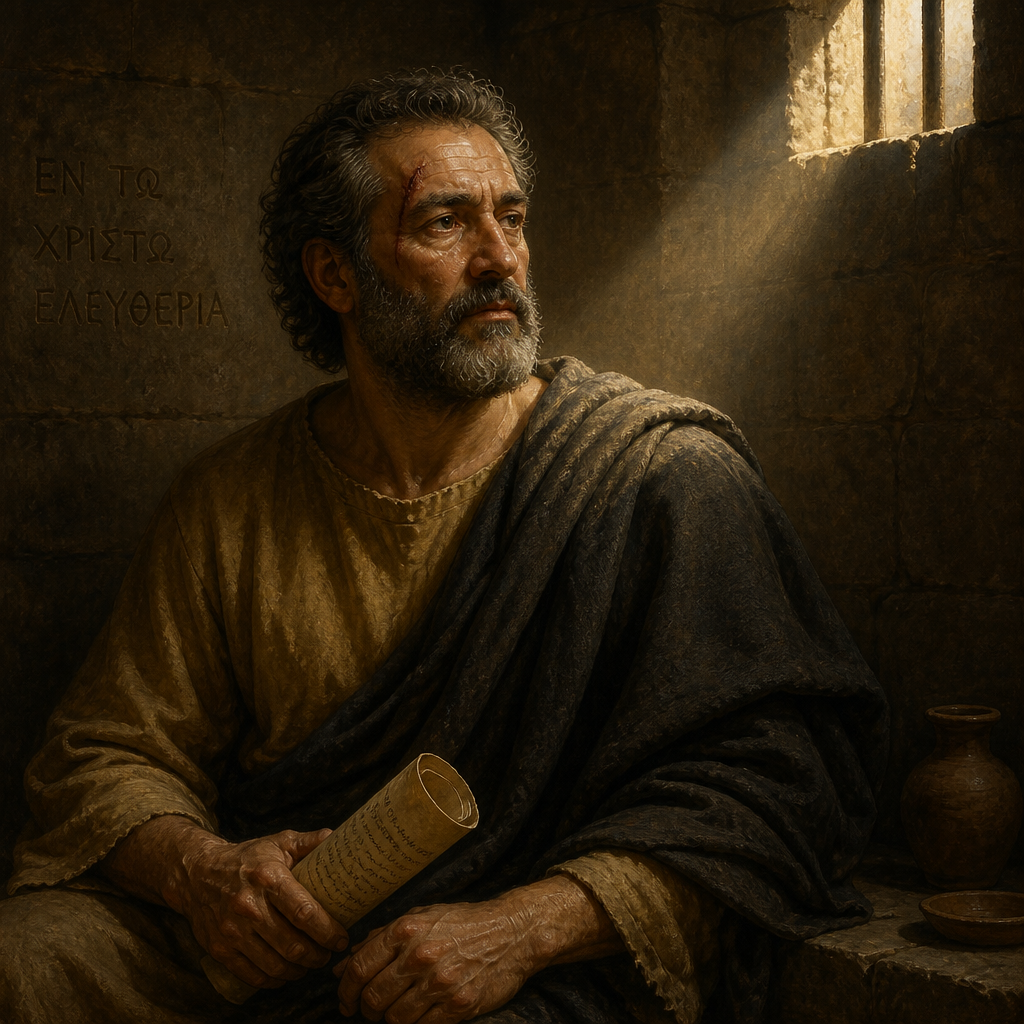
Aristarchus
Fellow Macedonian Companion
Luke the Evangelist
Chroncler and Travel Companion