The Praetorian Guard
An elite unit of the Roman Imperial Army responsible for the safety of the Emperor and the custody of high-profile prisoners in Rome.
The Praetorian Guard appears in the New Testament primarily during the final years of the Apostle Paul’s ministry. Though often understood as a group of individuals rather than a single person, the 'Praetorium' mentioned in the Greek text of Philippians refers to the elite imperial bodyguard stationed in Rome. Established by Augustus in 27 BC, these soldiers represented the ultimate military authority within the city of Rome and served as the personal protectors of the Emperor. Their presence in the biblical narrative highlights the intersection of the early Christian movement with the highest echelons of Roman political and military power.
In the Book of Philippians, Paul notes that his imprisonment served to advance the Gospel because it became known throughout the entire 'Praetorian Guard' that his chains were for Christ. This indicates a high level of interaction between the captive Apostle and the elite soldiers assigned to watch him. The Praetorian Guard was not merely a passive background element but became a direct audience for the message of the early Church, illustrating how the Gospel permeated even the household of Caesar during the 1st century AD.
Background and Origins
The Praetorian Guard (Cohortes Praetoriae) had its roots in the Roman Republic, where the term referred to the bodyguards of military commanders. However, it was Augustus, the first Emperor, who transformed them into a permanent standing force in 27 BC to secure his own power. By the time of the Apostle Paul’s imprisonment in Rome (c. 60–62 AD), the Guard had grown into a formidable political and military institution. Stationed in the Castra Praetoria on the outskirts of Rome, they were the only armed troops allowed within the city limits, making them the kingmakers of the Roman Empire.
These soldiers were recruited exclusively from Italy (until the late 2nd century AD) and received higher pay and shorter terms of service than standard legionaries. Their influence was so great that they often determined the succession of emperors, famously assassinating Caligula and installing Claudius. In the context of the New Testament, they served as the prestigious custodians of prisoners awaiting trial before the Emperor’s tribunal.
Major Life Events and Biblical Interaction
The Guard’s primary interaction with the biblical narrative occurs during Paul’s two-year house arrest in Rome, as recorded at the conclusion of the Book of Acts and referenced in the Epistle to the Philippians. While Paul was permitted to live in his own rented house, he was constantly under the watch of a Roman soldier (Acts 28:16). Scholars generally agree that these soldiers belonged to the Praetorian Guard.
"As a result, it has become clear throughout the whole palace guard and to everyone else that I am in chains for Christ." (Philippians 1:13, NIV)
The Greek word used here, praitōrion, specifically denotes the Praetorian headquarters or the body of men who comprised the guard. Because the soldiers rotated shifts to guard Paul, a large number of these elite troops were exposed to his teachings, his prayers, and his correspondence with the early churches. This constant exposure led to a unique missionary opportunity where the Gospel reached the very men tasked with enforcing Roman imperial order.
Relationship to Other Biblical Figures
The Praetorian Guard stood at the center of the Roman legal system that processed biblical figures. When Paul was sent to Rome, he was delivered to the "captain of the guard" (Acts 28:16, KJV), often identified by historians as the Praetorian Prefect, possibly Sextus Afranius Burrus, who served under Nero until 62 AD.
Furthermore, the Guard’s influence extended to the "saints... especially those who belong to Caesar’s household" (Philippians 4:22). While the household (familia Caesaris) included slaves and freedmen, the Praetorian Guard provided the security infrastructure for this environment. The guards likely served as the conduit through which news of Paul's faith reached the civil servants and officials working within the imperial administration. Their role as silent witnesses to Paul’s endurance provided a stark contrast between the power of the Roman sword and the power of the Christian message.
Spiritual Significance
The presence of the Praetorian Guard in the New Testament serves as a testament to the providential nature of Paul’s sufferings. Paul viewed his chains not as a hindrance, but as a strategic placement by God. The Praetorians were social and military elites; under normal circumstances, a Jewish tentmaker would never have had the opportunity to address them. Through his imprisonment, Paul was able to preach to the "unreachable" sector of Roman society.
Theologically, the interaction between the Guard and the Apostle illustrates the theme of the Gospel’s unstoppable expansion. Despite being physically bound to a soldier of the most powerful army on earth, Paul remained spiritually free, eventually seeing converts among those who held him captive. This dynamic fulfills the Great Commission's mandate to bring the Gospel before kings and rulers, demonstrating that no human institution, however powerful, is beyond the reach of divine grace.
Spiritual Significance
The Praetorian Guard represents the highest level of Roman military and political authority encountered by the early Church. Their mention in the Pauline epistles signifies that the Gospel had successfully moved from a provincial Galilean movement to the very heart of the Roman Empire, influencing the men who protected the Emperor himself. The Guard's role as Paul's captors ultimately facilitated the spread of Christianity among the Roman elite.
Theologically, the Guard serves as a symbol of the 'upside-down' nature of the Kingdom of God. While the Guard held the power of life and death over their prisoners, Paul’s letters suggest that the intellectual and spiritual influence flowed from the prisoner to the guards. This interaction highlights the New Testament theme that God uses the weak and the bound to confound the mighty and the free.
Frequently Asked Questions
What was the Praetorian Guard?
The Praetorian Guard was an elite unit of the Roman Army that served as the personal bodyguards and intelligence agents for the Roman Emperor.
How did the Praetorian Guard interact with the Apostle Paul?
During Paul's two-year house arrest in Rome, he was guarded by a rotating shift of soldiers. Paul mentions in Philippians 1:13 that his message became known throughout the entire Guard.
Did any members of the Guard become Christians?
While the Bible does not name specific guards who converted, Paul mentions in Philippians 4:22 that there were believers in 'Caesar's household,' a group closely associated with the Guard's presence.
Who was the 'Captain of the Guard' in Acts 28:16?
Historically, this refers to the Praetorian Prefect. During Paul's arrival in Rome, this officer was likely Sextus Afranius Burrus, a powerful advisor to Emperor Nero.
Why is the Praetorian Guard significant in the Bible?
They represent the penetration of the Gospel into the highest levels of the Roman government and military, proving that Paul's imprisonment actually helped spread Christianity.
Connected Figures
Paul the Apostle
Prisoner under their watch
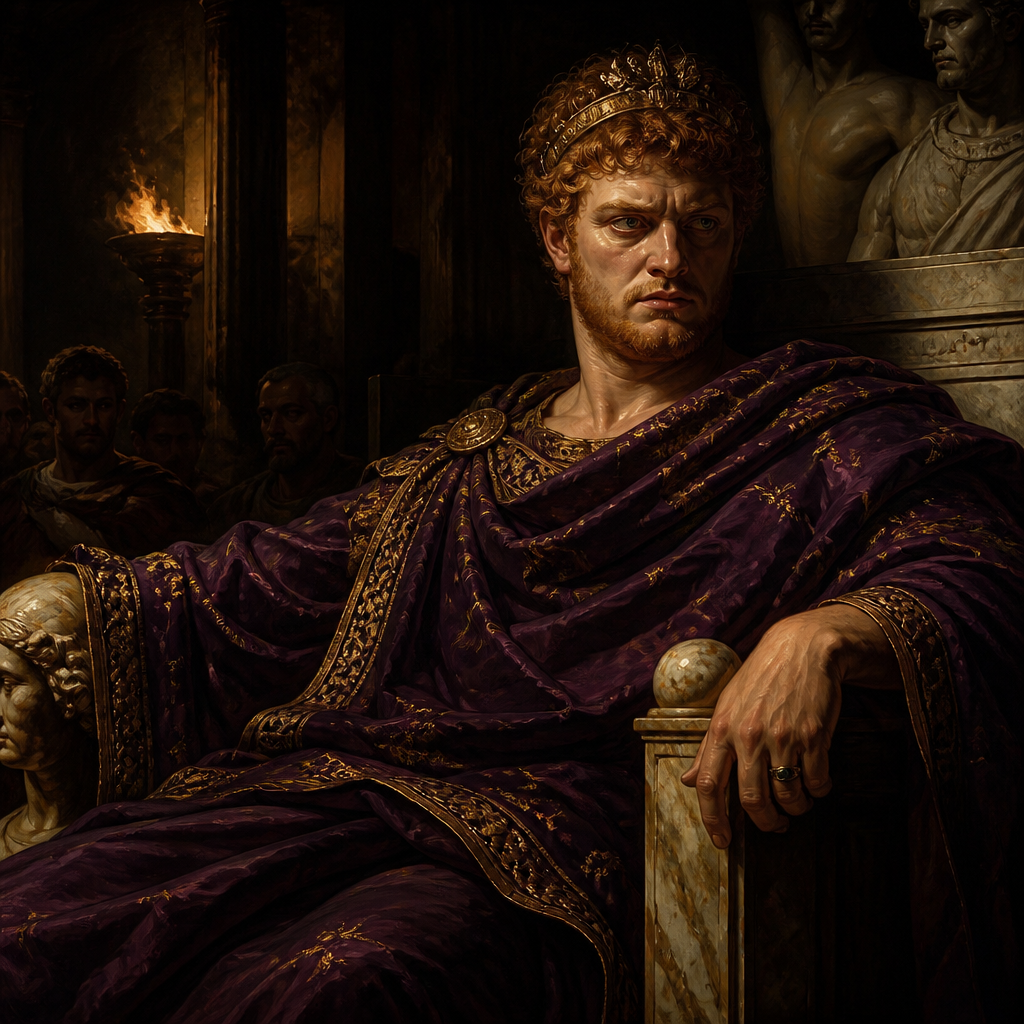
Nero
Emperor they protected
Julius the Centurion
Officer who delivered Paul to Rome
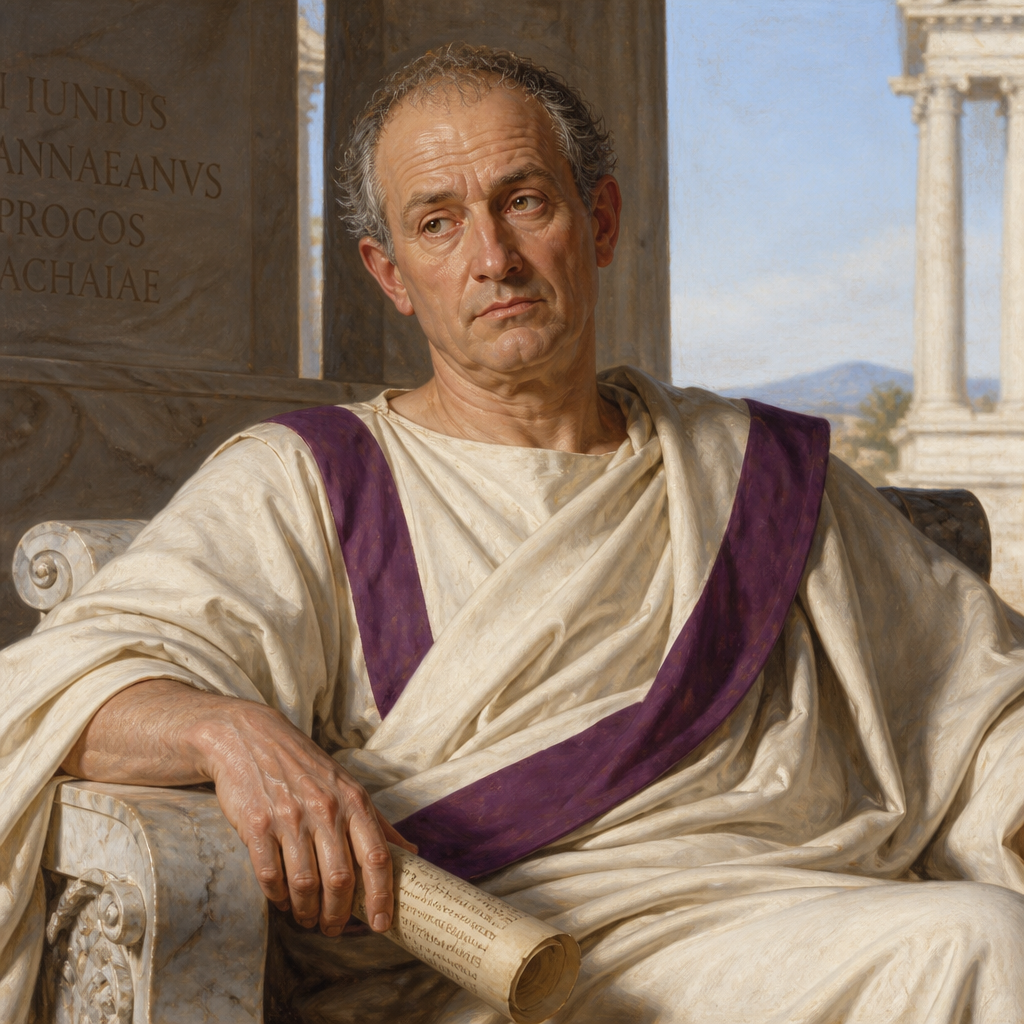
Gallio
Roman Proconsul