The Devout Thessalonian Greeks
A significant group of God-fearing Gentiles in Thessalonica who converted to Christianity under the preaching of the Apostle Paul, forming the core of the early Thessalonian church.
The Devout Thessalonian Greeks represent a pivotal demographic of the early Christian movement in Macedonia during the mid-1st century AD. In the book of Acts, these individuals are identified as 'God-fearers' (sebomenoi)—Gentiles who had rejected pagan polytheism in favor of Jewish monotheism and ethics but had not fully converted to Judaism through circumcision. When the Apostle Paul arrived in Thessalonica during his second missionary journey, this group proved to be uniquely receptive to the Gospel message, bridging the cultural gap between the Jewish synagogue and the wider Roman world.
In the biblical narrative, their conversion is marked by a dramatic shift in allegiance, as they turned from idols to serve the living God. Despite facing immediate and severe social and political persecution from both their fellow Gentiles and local Jewish leaders, they established one of the most vibrant and exemplary congregations of the New Testament era. Their presence in the biblical record underscores the rapid expansion of Christianity beyond ethnic Jewish boundaries and the effectiveness of Paul’s strategy of preaching in the synagogues to reach a pre-prepared Gentile audience.
Background and Context
The arrival of the Gospel in Thessalonica occurred approximately around 50 or 51 AD during the Apostle Paul’s second missionary journey. Accompanied by Silas and Timothy, Paul entered the city, which was the capital of the Roman province of Macedonia and a major commercial hub on the Via Egnatia. As was his custom, Paul first visited the local synagogue. According to Acts 17:2, he reasoned with the congregants for three consecutive Sabbaths, using the Hebrew Scriptures to demonstrate that the Messiah had to suffer and rise from the dead, identifying Jesus of Nazareth as that promised Christ.
Among those listening were the "devout Greeks" (Acts 17:4). In the socio-religious context of the Roman Empire, these were individuals of Hellenistic descent who were attracted to the high moral standards and monotheistic theology of Judaism. They were welcome to attend synagogue services and observe certain Jewish laws, yet they remained distinct from proselytes—those who underwent full conversion. This group provided the most fertile soil for the Christian message, as they already believed in the God of Israel but were often marginalized by the full requirements of the Mosaic Law.
Major Life Events and Conversion
The conversion of the Devout Thessalonian Greeks was a watershed moment for the mission in Macedonia. Acts 17:4 notes that a "great multitude" of these God-fearers believed and joined Paul and Silas. This mass conversion was not merely a change of opinion but a profound social transformation. In the First Epistle to the Thessalonians, Paul recalls how they "turned to God from idols to serve the living and true God" (1 Thessalonians 1:9). This implies that many within this group had only recently moved from traditional Greek paganism to the fringes of Judaism before finding the fulfillment of their spiritual search in Christ.
However, their conversion triggered an immediate backlash. The success of Paul’s preaching sparked jealousy among certain Jewish leaders, who formed a mob with "lewd fellows of the baser sort" (Acts 17:5) to incite a riot. The newly converted Greeks found themselves at the center of a political controversy, as the mob accused the Christians of promoting another king, Jesus, in defiance of Caesar's decrees. While Paul and Silas were forced to flee the city for their safety, the Devout Greeks remained, becoming the foundation of the suffering but resilient church at Thessalonica.
Relationship to Other Biblical Figures
The Devout Greeks shared a deep, paternal-spiritual bond with the Apostle Paul. His letters to them are among the most affectionate in the New Testament, reflecting his concern for their perseverance under trial. He describes them as his "glory and joy" (1 Thessalonians 2:20). They also had a crucial relationship with Silas and Timothy; the latter was sent back to the city shortly after the riot to strengthen the new converts and report on their faith.
Within the group, specific individuals are occasionally named in the New Testament who likely emerged from this demographic or the broader Thessalonian mission. Aristarchus and Secundus are two Thessalonians who later traveled with Paul (Acts 20:4), with Aristarchus famously accompanying Paul on his voyage to Rome and being described as his "fellow prisoner" (Colossians 4:10). Their commitment illustrates the high level of devotion characterized by the Thessalonian converts.
Spiritual Significance
The spiritual significance of the Devout Thessalonian Greeks lies in their role as a model for the Gentile church. Paul holds them up as an "ensample" (example) to all believers in Macedonia and Achaia (1 Thessalonians 1:7). Their hallmark was the triad of "work of faith, and labour of love, and patience of hope" (1 Thessalonians 1:3).
Theologically, they symbolize the fulfillment of the Abrahamic promise that all nations would be blessed. By embracing the Gospel without first becoming Jews, they validated Paul’s doctrine of justification by faith alone. Their ability to maintain their faith despite being "afflicted" (1 Thessalonians 1:6) provided the early church with a blueprint for endurance. Furthermore, their zeal for evangelism was such that the "word of the Lord sounded out" from them through the entire region, making them one of the first truly missional communities in the history of Christianity.
Spiritual Significance
Theological importance of the Devout Thessalonian Greeks centers on their role as the 'God-fearing' bridge between Judaism and the Gentile world. Their rapid conversion and subsequent steadfastness during intense persecution served as a primary evidence of the Holy Spirit's power in the Pauline missions. They are historically significant as the first major group of European converts to form a sustained, organized church that modeled the internal virtues of faith, love, and hope, which Paul later codified in his epistles.
Furthermore, their inclusion in the biblical narrative emphasizes the universal scope of the Gospel. By turning 'from idols to serve the living God,' they demonstrated the radical cognitive and social break required by the Christian faith in a Greco-Roman context. Their legacy is preserved in the two Epistles to the Thessalonians, which address the specific theological questions (such as the Second Coming of Christ) and ethical challenges faced by this specific group of former God-fearers.
Frequently Asked Questions
Who were the 'devout Greeks' mentioned in Acts 17?
They were Gentiles who worshipped the God of Israel and attended synagogue services but had not fully converted to Judaism through circumcision. They are often referred to by scholars as 'God-fearers'.
How long did Paul stay with the Devout Greeks in Thessalonica?
The Bible mentions Paul reasoned in the synagogue for three Sabbaths, making his stay at least three weeks, though some scholars suggest he stayed longer to work and establish the church.
What happened to the Devout Greeks after Paul left?
They faced severe persecution from their neighbors and local authorities but remained faithful, becoming a model church for the rest of the Mediterranean region.
Why were they accused of defying Caesar?
The mob accused them of 'acting contrary to the decrees of Caesar' by claiming there was another king, Jesus, which was seen as a politically subversive statement in a Roman administrative center.
Which New Testament books were written to this group?
The books of 1 Thessalonians and 2 Thessalonians were written by the Apostle Paul specifically to address and encourage this group of believers.
Connected Figures
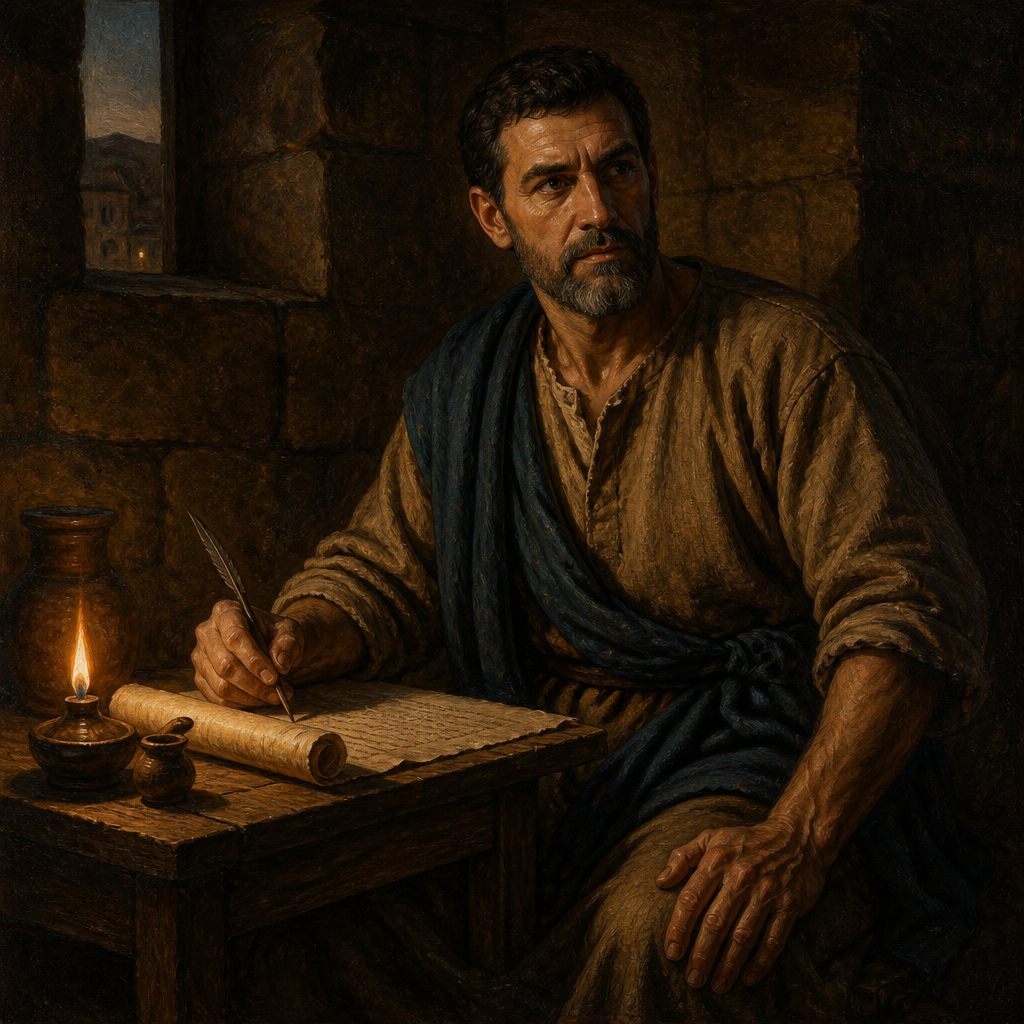
Paul the Apostle
Spiritual father and founder of their church
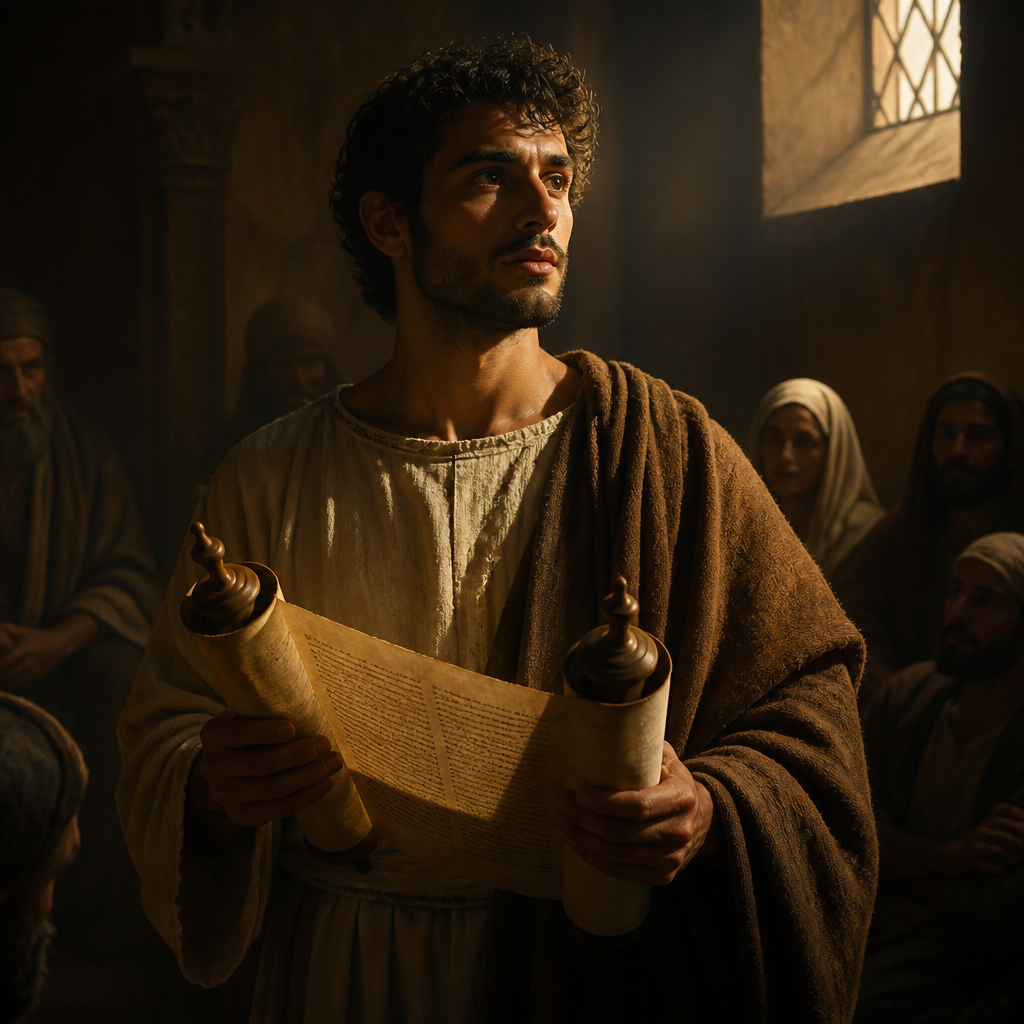
Silas
Co-missionary who preached to them
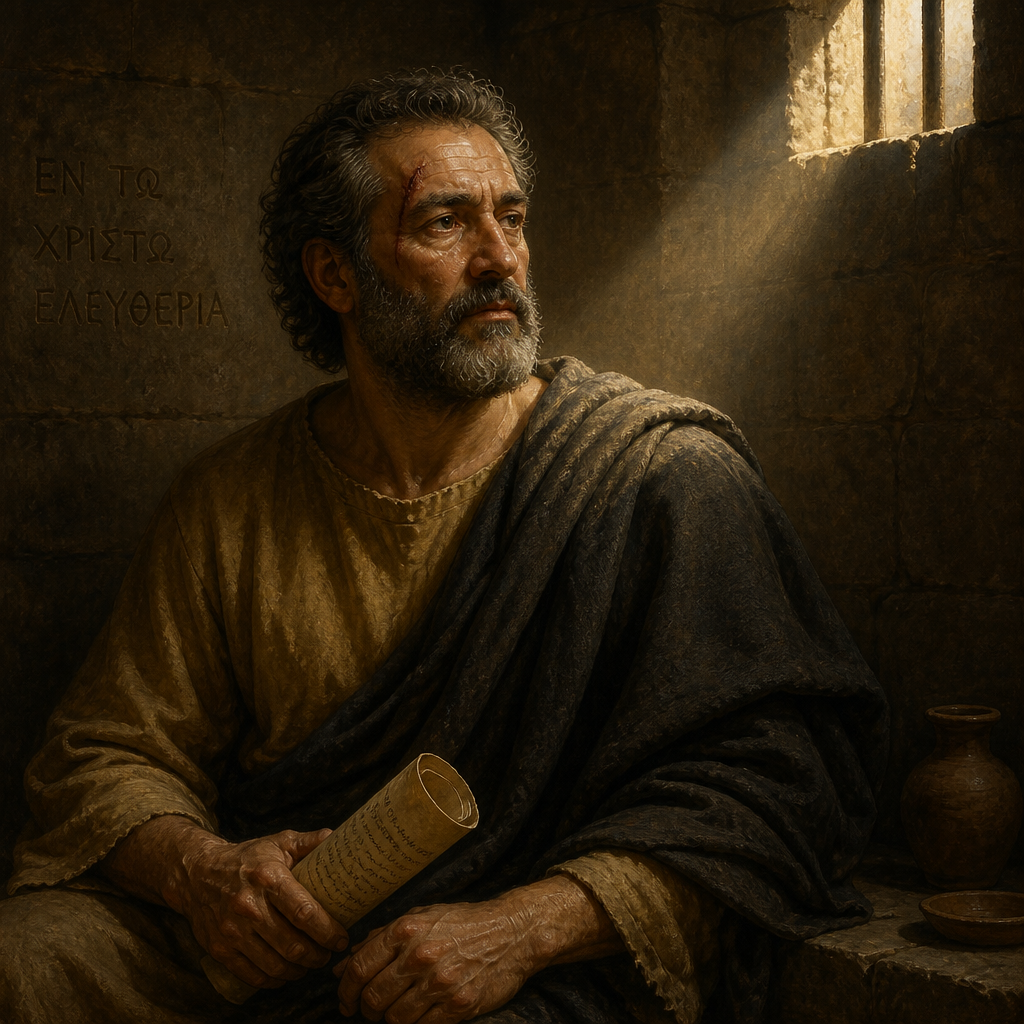
Timothy
Messenger sent to strengthen them in their faith
Aristarchus
Thessalonian convert and traveling companion of Paul
Jason of Thessalonica
Host who was arrested during the riot involving the converts