Secundus
A believer from the church at Thessalonica who accompanied the Apostle Paul during his third missionary journey to deliver financial aid to the impoverished church in Jerusalem.
Secundus was a first-century Christian from the Macedonian city of Thessalonica. His name, which is of Latin origin meaning 'Second,' suggests he may have had a Roman background or was perhaps a servant or second-born son in a household. He is specifically identified in the New Testament as one of the trusted companions of the Apostle Paul during a critical phase of the early church's expansion and logistical development.
Secundus traveled as a representative of his home church, joining a diverse group of believers from various regions. This group was tasked with the solemn responsibility of transporting a collection of funds to the suffering saints in Jerusalem. His inclusion in this delegation highlights the unity and mutual support between the newly established Gentile churches in Macedonia and the Jewish-Christian mother church in Judea.
Background and Family
Secundus emerges in the biblical narrative within the context of the city of Thessalonica, a prominent Roman provincial capital in Macedonia. While the text of Acts provides little personal detail regarding his family or lineage, his name—Secundus—is a common Latin name widely used throughout the Roman Empire. In the social structures of the time, names like Primus ('First'), Secundus ('Second'), and Tertius ('Third') were frequently given to children based on birth order or to slaves within a Roman household.
Given the cultural landscape of Thessalonica, Secundus was likely a Gentile convert. The church in Thessalonica was founded by Paul during his second missionary journey (Acts 17:1–10) and was known for its endurance under persecution. Secundus would have been among those who 'turned to God from idols to serve the living and true God' (1 Thessalonians 1:9). His presence in Paul’s inner circle suggests he was a man of proven character and standing within the Thessalonian congregation.
Major Life Events
The primary mention of Secundus occurs in Acts 20 during Paul’s third missionary journey (c. 53–57 AD). After spending three months in Greece, Paul intended to sail for Syria but altered his route through Macedonia due to a plot by certain Jews against his life. Secundus is listed among the men who accompanied Paul from Greece into Asia Minor.
"He was accompanied by Sopater son of Pyrrhus từ Berea, Aristarchus and Secundus from Thessalonica, Gaius from Derbe, Timothy also, and Tychicus and Trophimus from Asia." (Acts 20:4, ESV)
This group represented a cross-section of the Pauline mission: Macedonia (Sopater, Aristarchus, Secundus), Galatia (Gaius, Timothy), and Asia (Tychicus, Trophimus). The specific mission of this delegation was likely the transport of the 'collection for the saints' (1 Corinthians 16:1–4; 2 Corinthians 8–9). Secundus acted as a steward of these funds, ensuring that the generosity of the Macedonian churches reached its intended destination in Jerusalem. The journey took the group to Troas, where they stayed for seven days and witnessed the miraculous raising of Eutychus from the dead, an event Secundus would have observed firsthand.
Relationship to Other Biblical Figures
Secundus is most closely associated with Aristarchus, another Thessalonian mentioned in Acts 20:4. Both men served as the physical manifestation of the Thessalonian church's commitment to Paul’s ministry. While Aristarchus is mentioned again in later narratives as Paul’s 'fellow prisoner' (Colossians 4:10), Secundus’s name does not reappear in the New Testament.
His relationship with the Apostle Paul was one of cooperation and trust. To be entrusted with the delivery of a large sum of money across international borders in the ancient world required a high degree of integrity. Paul describes the messengers of the churches as 'the glory of Christ' (2 Corinthians 8:23), a category that undoubtedly included Secundus. His partnership with figures like Timothy and Tychicus places him at the heart of the apostolic mission, navigating the dangers of ancient travel for the sake of the gospel.
Spiritual Significance
The spiritual significance of Secundus lies in his role as a representative of the Gentile church’s gratitude toward the Jewish roots of the faith. By traveling hundreds of miles to bring aid to Jerusalem, Secundus participated in a tangible act of 'koinonia' (fellowship). His life demonstrates that the early church was not merely a collection of isolated groups, but a unified body where the needs of one were the concern of all.
Furthermore, Secundus serves as an example of the 'unsung hero' in the New Testament. Though his words are not recorded and his biography is sparse, his willingness to leave his home and face the perils of the sea and potential persecution alongside Paul highlights the dedication required of early believers. He exemplifies the principle found in 1 Corinthians 4:2: 'Moreover, it is required of stewards that they be found faithful.' Secundus was faithful to his local church and to the broader mission of the global church.
Spiritual Significance
Theologically, Secundus represents the ecclesiastical bridge between the Gentile mission and the Jewish-Christian establishment. His presence in the delegation to Jerusalem was a living testimony to the success of Paul’s ministry among the nations and the fulfillment of the prophetic vision that the wealth of the nations would come to Zion. He serves as a model of financial stewardship and administrative reliability within the early church context.
His mention alongside more prominent figures like Timothy also underscores the collaborative nature of the Great Commission. In the Pauline theology of the 'Body of Christ,' Secundus illustrates that every member, regardless of whether they have a leading role or a supporting one, is essential for the healthy functioning and movement of the Church. His journey was an act of worship manifested through logistical service and inter-church solidarity.
Frequently Asked Questions
Where was Secundus from?
Secundus was from the city of Thessalonica, a major port city and the capital of the Roman province of Macedonia.
What does the name 'Secundus' mean?
The name is Latin for 'Second.' It was a common name in the Roman world, often given to a second-born son or used among the servant class.
What was the purpose of Secundus's journey with Paul?
He was part of a delegation of representatives from various churches who were likely carrying a financial gift for the impoverished Christians in Jerusalem.
Who was Secundus's companion from his hometown?
Aristarchus was the other believer from Thessalonica who traveled with Secundus and the Apostle Paul.
In which book of the Bible is Secundus mentioned?
Secundus is mentioned in the book of Acts, specifically in chapter 20, verse 4.
Connected Figures
Paul the Apostle
Missionary leader and mentor
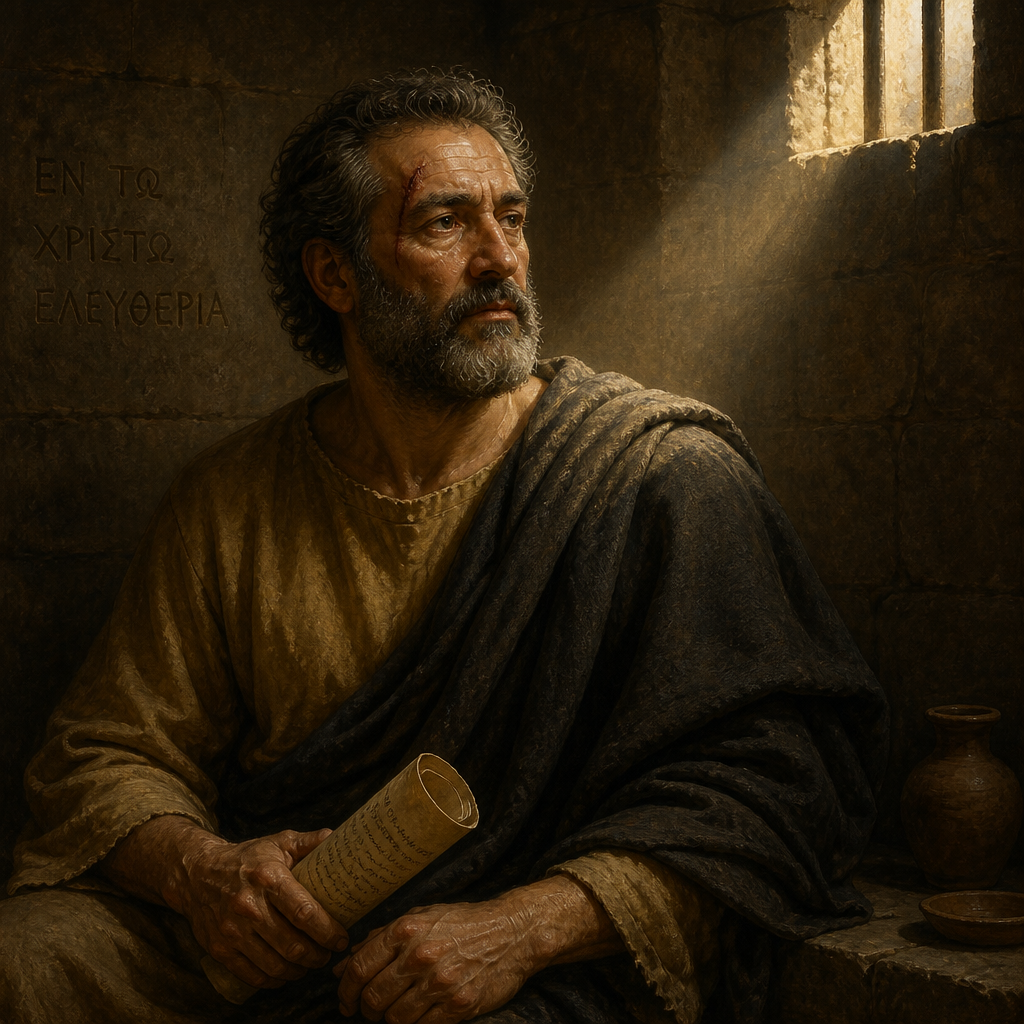
Aristarchus
Fellow believer and traveler from Thessalonica
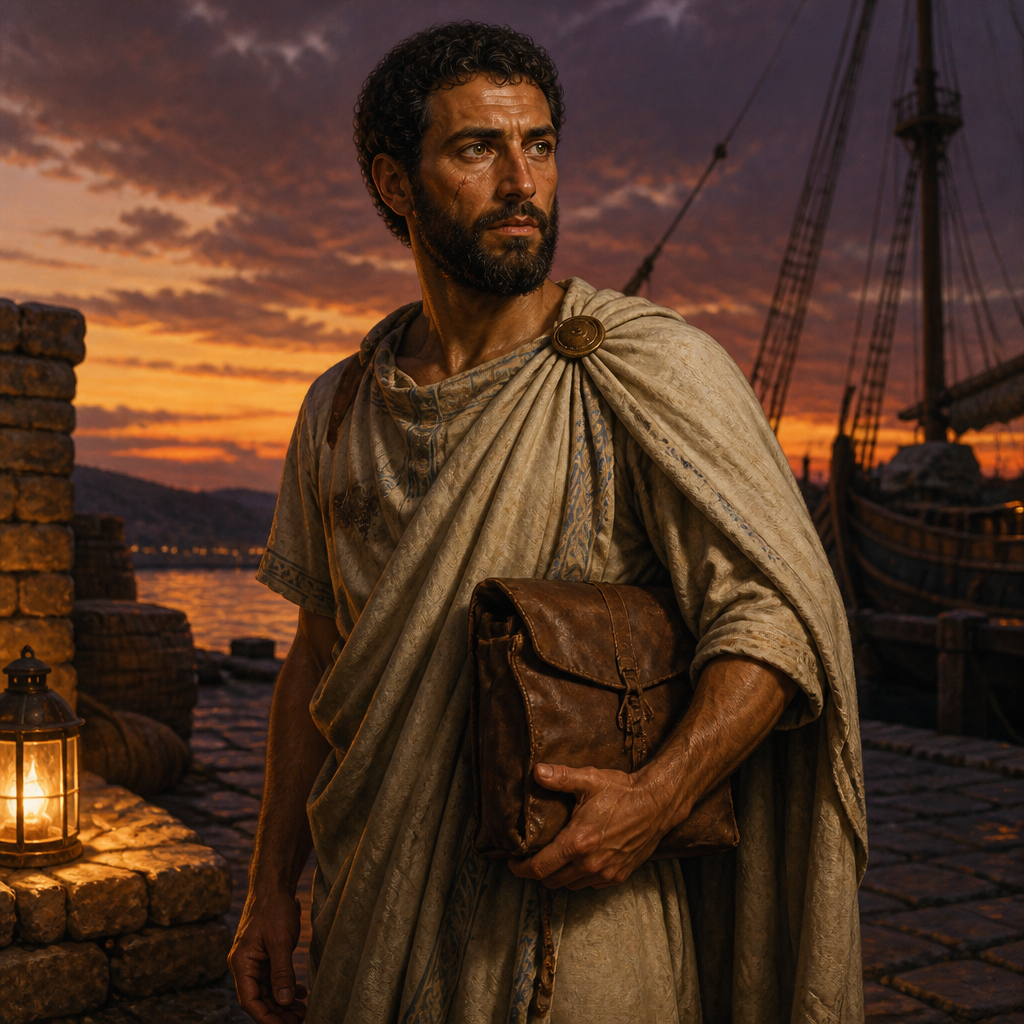
Sopater
Fellow traveler in the Pauline delegation
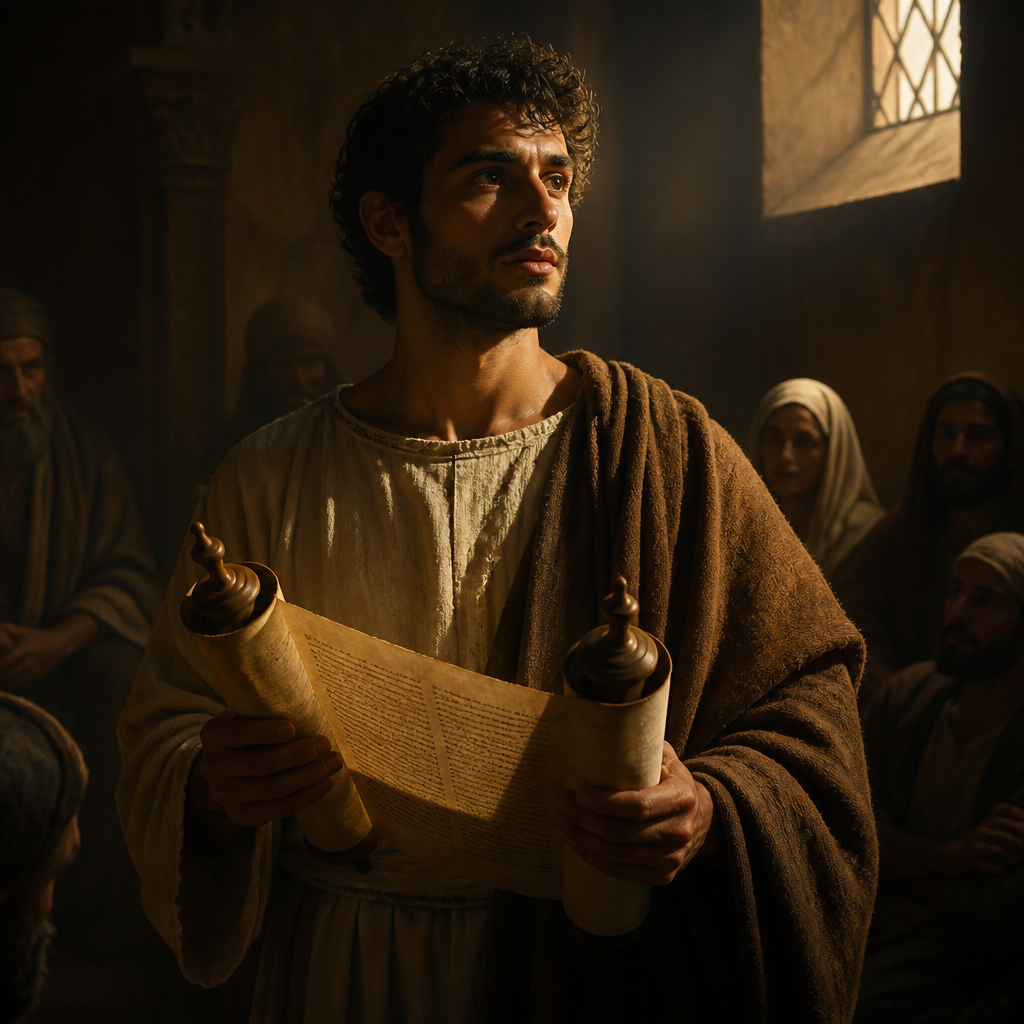
Timothy
Co-worker in the mission to Asia and Jerusalem