
Local Officials
Civic administrators and judicial officers in the Roman provinces whose interactions with early Christians shaped the legal landscape of the New Testament church.
The New Testament describes the interactions between early Christian missionaries and various Local Officials who managed the civic and judicial affairs of the Roman provinces. These administrators held authority over specific cities or regions, ensuring public order and upholding imperial law during the expansion of the church. Their roles ranged from presiding over local courts to managing the civil bureaucracy of major urban centers. The text does not say what specific training or qualifications these men required to hold office, but it records their direct involvement in legal disputes involving the Apostle Paul and his companions.
The organization of these officials varied by the status of the city they governed. Publius was the chief official of the island of Malta who welcomed shipwrecked travelers into his home for three days (Acts 28:7). The Town Clerk of Ephesus served as a high-ranking civic administrator who dismissed a confused assembly to prevent the city from being charged with rioting (Acts 19:35–41). The Asiarchs were influential leaders of the province of Asia who sent word to Paul urging him not to risk his life by entering the theater during a public disturbance (Acts 19:31). The Thessalonian Authorities were the city rulers who became troubled by reports of political insurrection and required a security bond from Jason before releasing him (Acts 17:6–9). The Philippian Magistrates were the judicial officers who commanded that Paul and Silas be stripped and beaten with rods without a formal trial (Acts 16:20–22).
These figures appear primarily in the Book of Acts as the church moved from a Jewish context into the wider Roman world. The text shows that the legal status of Christianity often depended on the discretion of these men. While The Philippian Magistrates acted harshly, they later became fearful upon learning they had violated the rights of Roman citizens (Acts 16:38–39). Conversely, the actions of The Town Clerk of Ephesus established a precedent that Christians were not "sacrilegious nor blasphemers" of local deities (Acts 19:37). The hospitality of Publius led to the healing of his father and others on the island, demonstrating a peaceful encounter between the Roman administration and the apostles (Acts 28:8–9). Through these varied interactions, the narrative illustrates the complex relationship between the new religious movement and the established political structures of the first century.
Everyone in this list
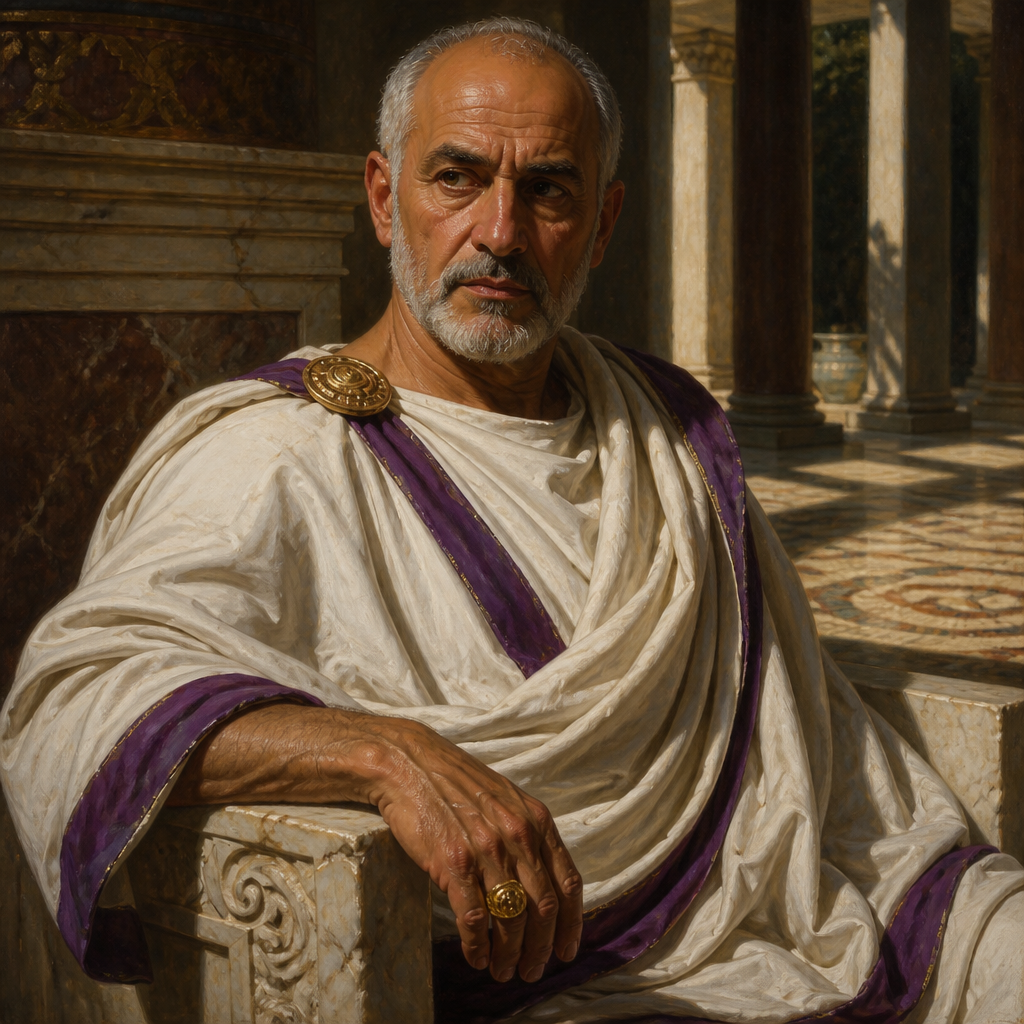
The Asiarchs
Elite provincial officials who befriended and protected the Apostle Paul during the riot at Ephesus
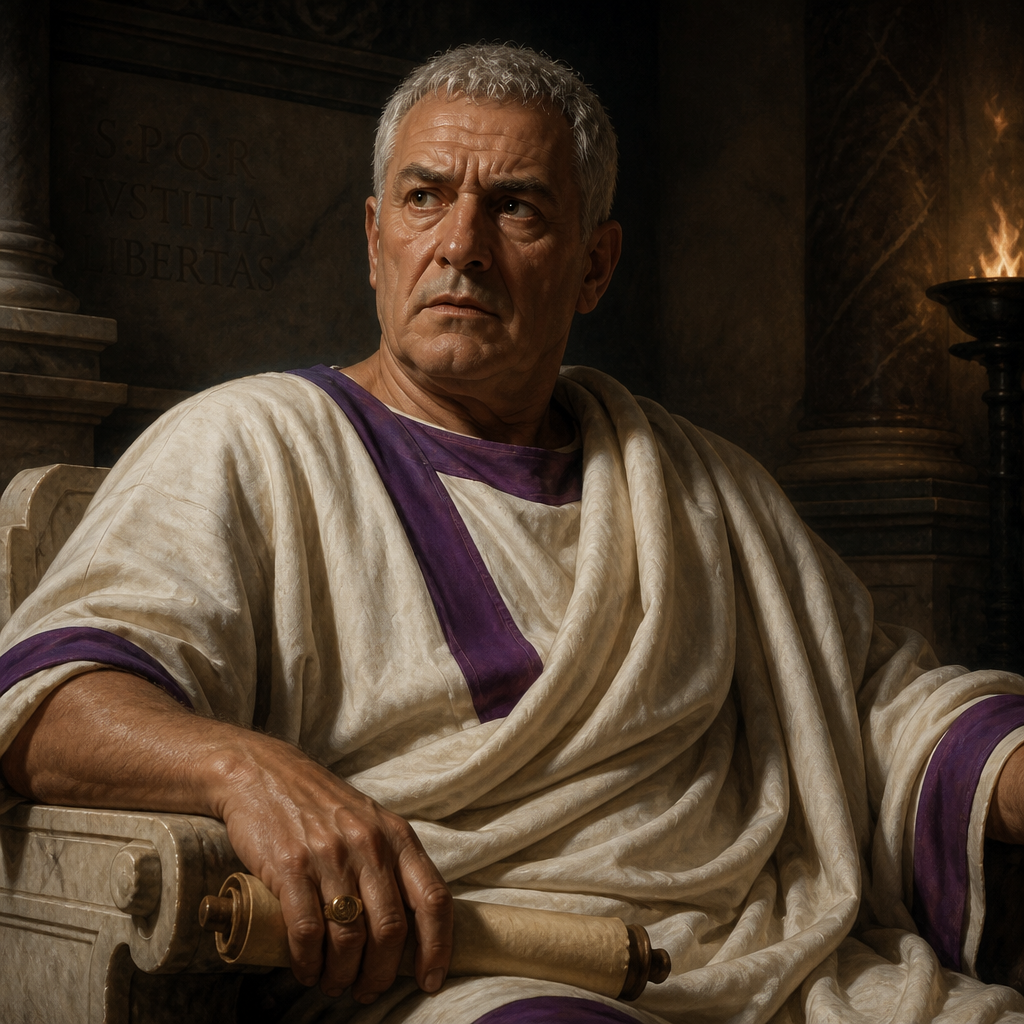
The Philippian Magistrates
Local officials who ordered the unlawful beating and imprisonment of Paul and Silas
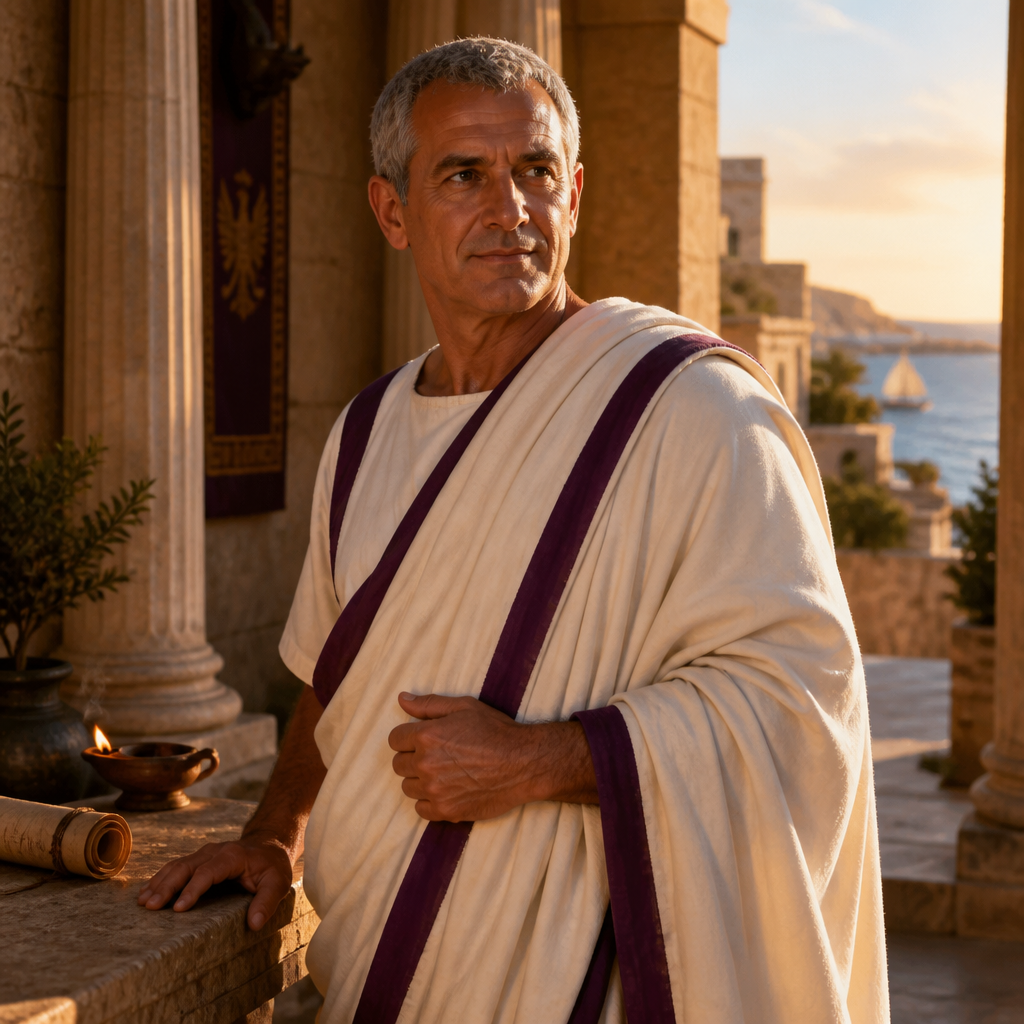
Publius
Roman official on Malta who provided hospitality to the shipwrecked Apostle Paul and whose father was miraculously healed
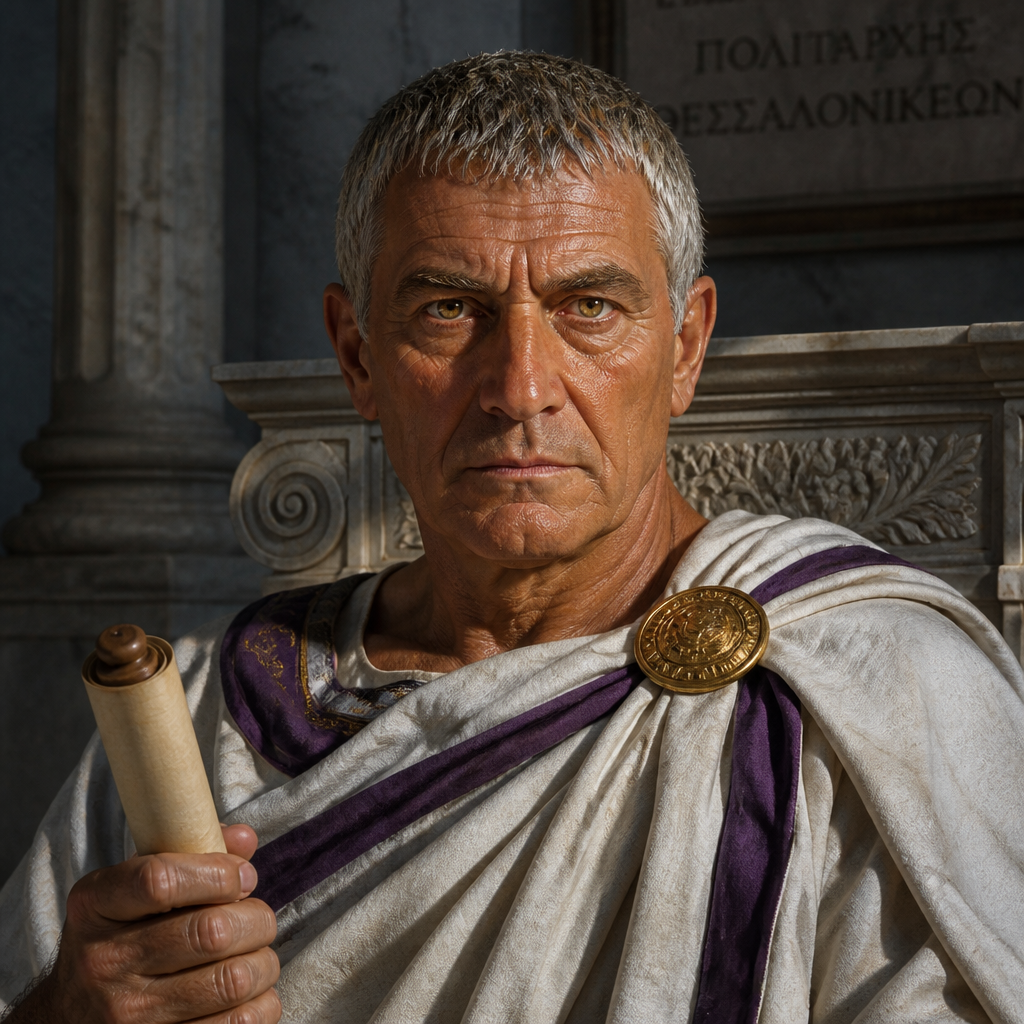
The Thessalonian Authorities
Officials who adjudicated the riot against Paul and Jason in Thessalonica
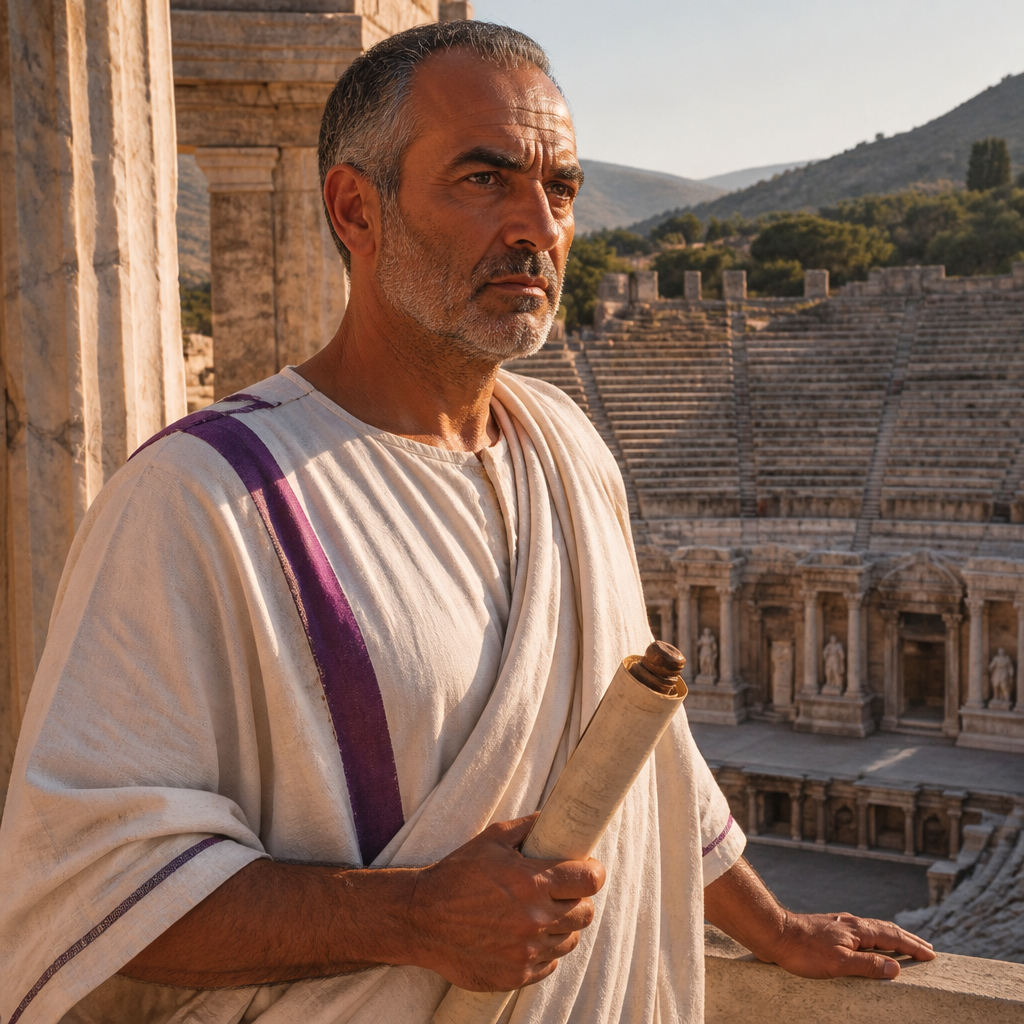
The Town Clerk of Ephesus
Official who de-escalated the Ephesian riot against Paul