Julius
A Roman centurion of the Augustan Cohort who escorted the Apostle Paul to Rome and showed him remarkable kindness and protection.
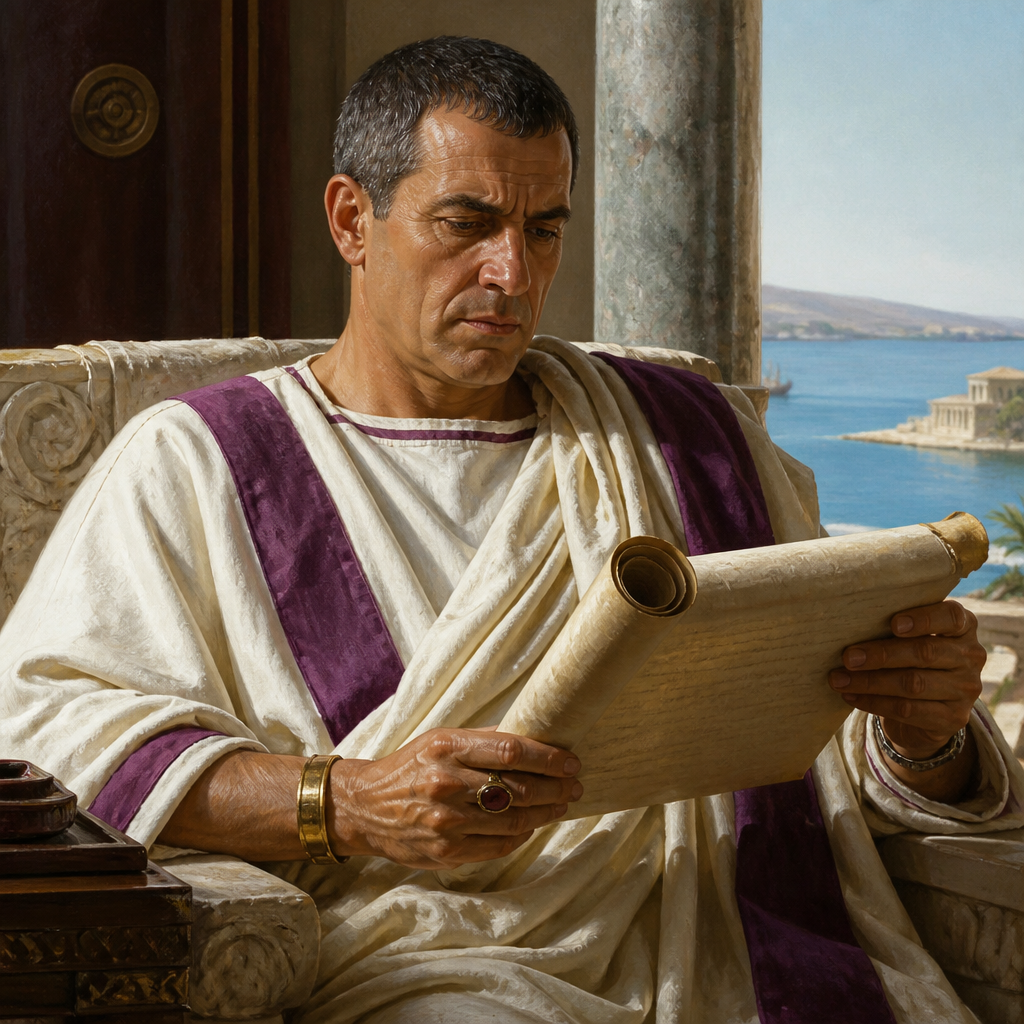
Julius was a Roman centurion belonging to the Augustan Cohort (Latin: Cohors Augusta), an elite military unit. He is primarily known through the narrative in the Book of Acts, where he was tasked with transporting several prisoners, including the Apostle Paul, from Caesarea to Rome for trial before the Emperor. Historically, the presence of a centurion from such a prestigious cohort suggests he was a high-ranking professional soldier trusted with significant administrative and security responsibilities.
Unlike many Roman officials depicted in the New Testament who appear indifferent or hostile to the early Christian movement, Julius is characterized by his unusual leniency and respect toward Paul. His role in the narrative is pivotal, as his decisions directly influenced the survival of the apostolic party during a catastrophic shipwreck in the Mediterranean. His story provides a unique window into the interactions between early Christianity and the military structures of the Roman Empire in the mid-1st century AD.
Background and Family
While the biblical text does not provide specific details regarding the family or lineage of Julius, his name and rank offer significant historical context. 'Julius' was a common Roman name, often associated with families that had attained citizenship during the era of the Julian emperors. As a centurion of the 'Augustan Cohort,' he held a position of considerable prestige. Centurions were the backbone of the Roman legions, responsible for the discipline and performance of the troops. Membership in an Augustan unit often implied that his cohort served as a link between the provincial governors and the imperial capital, frequently involved in specialized courier or escort duties.
Major Life Events
The Commission from Caesarea
Julius first appears in Acts 27, following Paul’s appeal to Caesar before the Governor Festus. Julius was assigned to take Paul and other prisoners by ship to Italy. From the outset, the text notes a distinct relational dynamic: 'Julius treated Paul with kindness and allowed him to go to his friends and receive care' (Acts 27:3). This occurred at their first stop in Sidon, indicating that even before the trials of the journey began, Julius recognized Paul as a man of integrity rather than a common criminal.
The Storm and Shipwreck
As the voyage progressed into the winter months, the weather turned treacherous. Against Paul’s prophetic warning, Julius followed the advice of the ship’s pilot and owner to continue toward Phoenix. However, when a violent storm known as the 'Euraquilo' struck, the vessel was driven across the sea for fourteen days. During this crisis, Julius observed Paul’s calm leadership and divine assurance. When the ship finally neared the island of Malta and began to break apart on a sandbar, the Roman soldiers proposed killing the prisoners to prevent any from escaping—a standard procedure, as a guard’s life was forfeit if a prisoner escaped.
Protecting the Apostle
In a climactic moment of the narrative, Julius intervened. Acts 27:43 states that he 'wished to save Paul' and therefore ordered the soldiers not to carry out their execution plan. Instead, he commanded everyone who could swim to jump overboard first, while the rest followed on planks and pieces of the ship. Through this act of military defiance against standard protocol, Julius ensured the survival of Paul and, by extension, all 276 souls on board.
Relationship to Other Biblical Figures
Julius’s primary relationship in the biblical canon is with the Apostle Paul. He also interacted with Luke (the author of Acts) and Aristarchus of Thessalonica, both of whom accompanied Paul on the journey. These men likely observed Julius closely, recording his professional conduct and his gradual shift from a skeptical commander to a protective benefactor. Julius also serves as a bridge between the world of the Roman authorities—such as Festus and Agrippa—and the burgeoning Christian community, demonstrating that even those within the highest levels of the Roman military hierarchy could be moved by the character and message of the Gospel.
Spiritual Significance
Theologically, Julius represents the 'common grace' of God operating through secular authorities. His kindness to Paul was an essential instrument of divine providence, ensuring that the Gospel reached the imperial capital as promised to Paul in his visions. Julius’s character challenges a monolithic view of Rome as purely a persecutor of the church. He serves as a literary and historical foil to those who rejected Paul, showing that a disciplined Roman mind could recognize the 'higher law' or at least the manifest innocence in a servant of Christ. While the Bible does not explicitly state if Julius converted to Christianity, his actions preserved the life of the man who would write much of the New Testament.
Spiritual Significance
Julius is significant for demonstrating the reach of the early church's influence into the Roman elite and for his role as a protector of the Apostle Paul. His decision to spare the prisoners during the shipwreck at Malta is seen as a fulfillment of God's promise to Paul that no lives would be lost, highlighting how God uses secular leaders to accomplish His purposes. Within the Book of Acts, he serves as the final positive Roman figure who affirms the integrity of Paul's mission before the Apostle reaches Rome.
Frequently Asked Questions
Was Julius a Christian?
The Bible does not explicitly state that Julius converted to Christianity, though it emphasizes his extraordinary kindness and protection toward Paul.
What was the 'Augustan Cohort'?
It was an elite unit of the Roman army. Scholars debate if it was a specific local auxiliary unit or a title given to prestigious detachments serving on imperial business.
Why did Julius let Paul visit his friends in Sidon?
Julius likely recognized that Paul was not a violent criminal and may have been influenced by the high-level hearings Paul had previously with Festus and King Agrippa.
How many people did Julius save during the shipwreck?
By preventing the soldiers from killing the prisoners, Julius played a key role in saving the lives of all 276 people aboard the ship.
In which book of the Bible does Julius appear?
Julius appears exclusively in the Book of Acts, specifically chapter 27.
Connected Figures
Paul the Apostle
Prisoner under Julius's charge
Luke the Evangelist
Travel companion and observer
Aristarchus
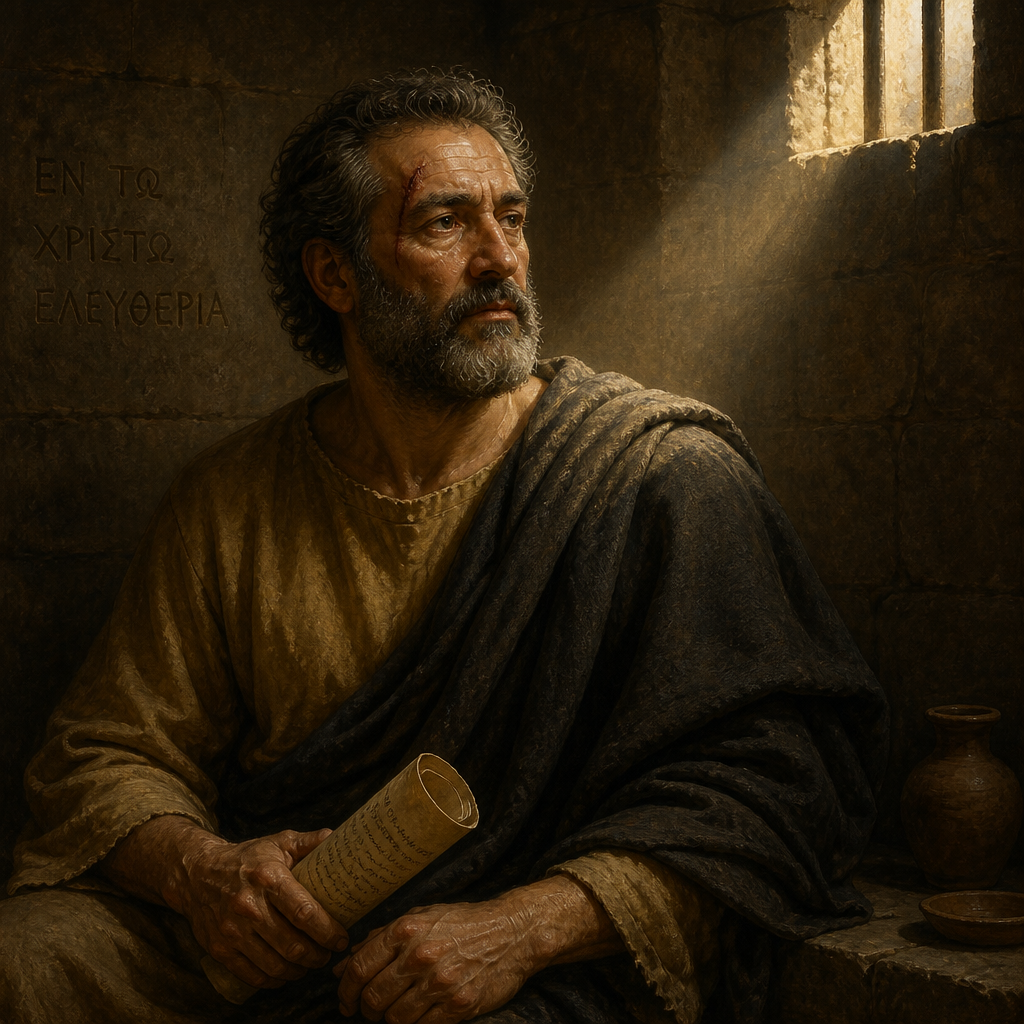
Travel companion of Paul
Porcius Festus
Governor who handed Paul over to Julius