Mary
The mother of Jesus Christ, chosen by God to bear the Messiah and a faithful witness to his ministry, death, and resurrection.
Mary, the mother of Jesus, is one of the most significant figures in the New Testament. A young Jewish woman from the village of Nazareth in Galilee, she was chosen through divine grace to conceive and bear the Son of God. Her character is defined by profound humility, obedience to the divine will, and an unwavering presence throughout the life and ministry of Jesus.
While her role is central to the Gospel narratives, the biblical account focuses less on her personal biography and more on her role in the redemptive work of Christ. She appears at critical junctures of the New Testament: from the announcement of his birth to the foot of the cross and the early formation of the Christian church in Jerusalem.
Background and Family
Mary was a resident of Nazareth, a small, relatively obscure town in the region of Galilee during the 1st century AD. While the New Testament does not explicitly name her parents, she is identified as being of the lineage of David (Luke 1:32) and was betrothed to Joseph, a carpenter also of the Davidic line. This genealogical connection was crucial for the fulfillment of Messianic prophecies regarding the house of David.
At the time of the Annunciation, Mary was likely a teenager, as was customary for betrothal in ancient Jewish society. She was a kinswoman to Elizabeth, the mother of John the Baptist, indicating a familial connection to the priestly line of Aaron. This network of family ties underscores her deep roots within the religious and social fabric of Israel.
Major Life Events
The Annunciation and Nativity
The narrative of Mary’s life begins with the Annunciation (Luke 1:26-38), where the angel Gabriel appeared to her with the message that she would conceive a son by the Holy Spirit. Her response—"Let it be to me according to your word"—is regarded as the ultimate expression of faith and surrender. Following this, she visited Elizabeth, where she uttered the Magnificat, a poetic hymn of praise that reflects her deep knowledge of the Hebrew Scriptures and her hope for God’s justice.
The census decreed by Caesar Augustus led Mary and Joseph to Bethlehem, the city of David, where Jesus was born in humble circumstances. Mary is described as "pondering these things in her heart" as she witnessed the visit of the shepherds and later the Magi.
The Years of Ministry
During Jesus’ childhood, Mary is seen presenting him in the Temple, where the prophet Simeon foretold that a sword would pierce her soul—a foreshadowing of the suffering she would endure. Later, when Jesus was twelve, she and Joseph found him in the Temple after he had been missing for three days. These episodes highlight the human challenges she faced in raising a child with a divine mission.
In the Gospel of John, Mary appears at the start of Jesus’ public ministry during the Wedding at Cana. Her prompt to Jesus that "they have no wine" and her instruction to the servants to "do whatever he tells you" catalyzed his first miracle, demonstrating her trust in his power and her role as an advocate.
The Crucifixion and Pentecost
Perhaps the most poignant moment of Mary’s life was the Crucifixion. She stood at the foot of the cross, witnessing the death of her son. In a notable act of filial care, Jesus entrusted her to the care of the "beloved disciple." Her final appearance in the New Testament occurs in the Book of Acts, where she is mentioned as being among the disciples in the upper room, devoted to prayer in the days leading up to Pentecost.
Relationship to Other Biblical Figures
Mary’s primary relationship was to her son, Jesus, which evolved from maternal care to one of discipleship. Her relationship with Joseph is depicted as one of mutual obedience to God’s commands, particularly through their flight to Egypt to escape Herod. She also maintained a close bond with the early community of believers; her presence in Acts 1:14 suggests she was a foundational figure and a source of historical memory for the early church.
Spiritual Significance
Mary represents the bridge between the Old and New Covenants. As the one who gave birth to the Messiah, she fulfilled the promise made to Israel. In Protestant and Catholic traditions, though interpreted with differing degrees of veneration, she is universally respected as the Theotokos (God-bearer) and the model of the perfect disciple. Her life exemplifies the biblical theme that God chooses the humble and the lowly to accomplish great things. Her willingness to say 'yes' to a path involving social stigma and personal grief makes her an enduring symbol of faith under pressure.
Spiritual Significance
Theologically, Mary is significant as the human vessel through which the Incarnation was made possible. Her 'fiat' at the Annunciation represents the cooperative response of humanity to the grace of God. By bearing the Son of God, she validates the physical reality of Jesus' humanity, a point essential to orthodox Christian Christology.
Furthermore, her presence from the birth to the death of Jesus provides a unique eyewitness perspective on his life. She is often seen as the 'New Eve'; whereas Eve’s disobedience led to the fall, Mary’s obedience contributed to the restoration of humanity. Her life is a testament to the idea that true greatness in the Kingdom of God is found in humble service and steadfast faith.
Frequently Asked Questions
Was Mary present at the Crucifixion?
Yes, according to the Gospel of John, Mary stood near the cross alongside other women and the 'disciple whom Jesus loved' as Jesus was crucified.
What is the Magnificat?
The Magnificat is Mary's song of praise recorded in Luke 1:46-55, where she rejoices in God's mercy and his commitment to lifting up the lowly and filling the hungry.
Did Mary have other children?
This is a subject of historical and theological debate. The Gospels mention 'brothers and sisters' of Jesus; some traditions interpret these as Mary's later children, while others view them as Joseph's children from a previous marriage or close relatives.
What was Mary's role at the Wedding at Cana?
Mary noticed the wine had run out and brought the concern to Jesus, then told the servants to obey him, leading to Jesus' first recorded miracle.
Where does Mary appear for the last time in the Bible?
Her last mention is in Acts 1:14, where she is gathered in prayer with the apostles and other believers in Jerusalem after Jesus' ascension.
Connected Figures
Jesus Christ
Son
Joseph
Husband
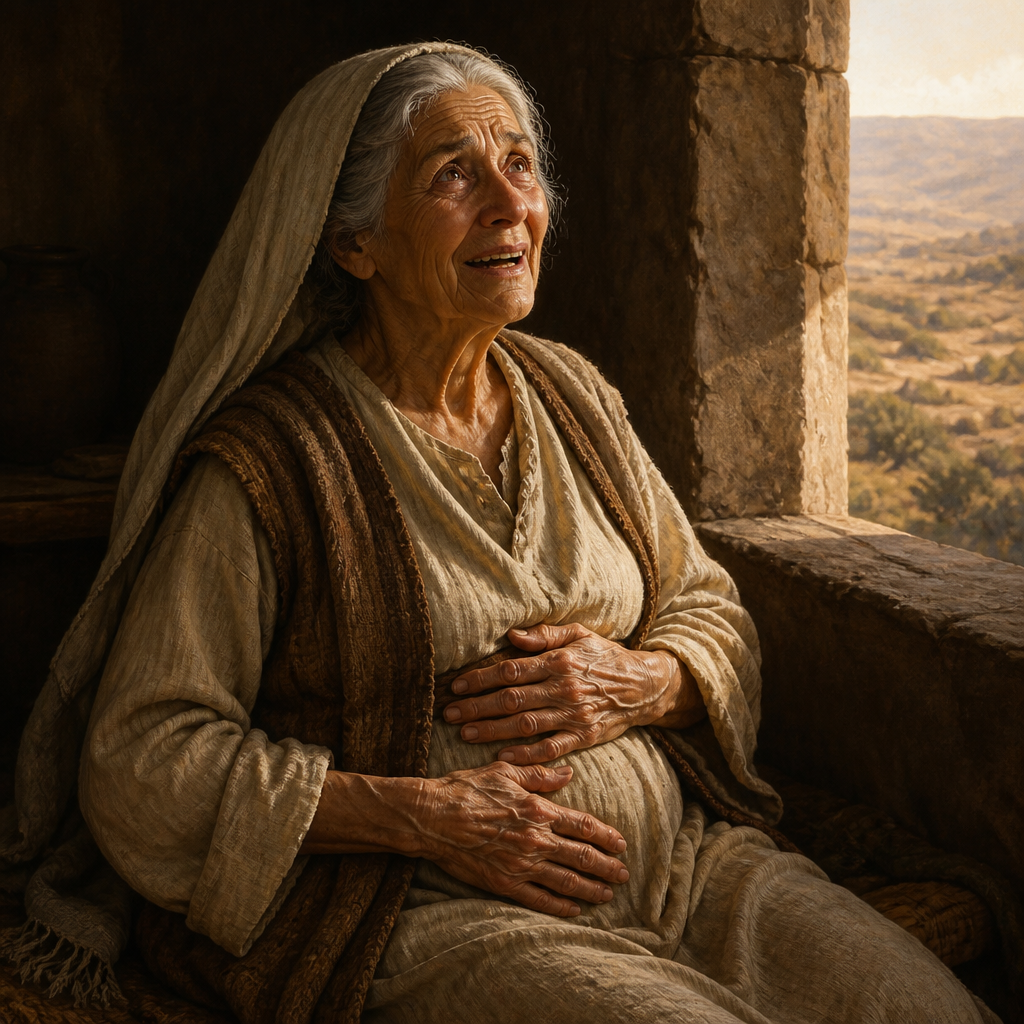
Elizabeth
Cousin / Relative
John the Apostle
Guardian (appointed by Jesus)